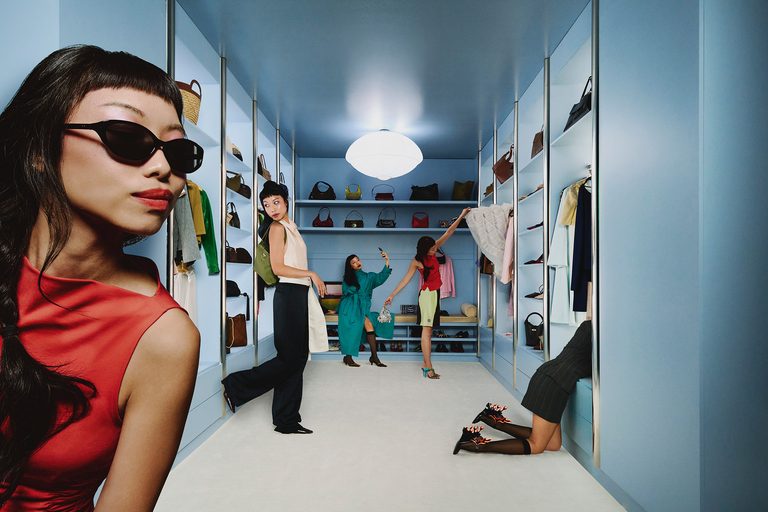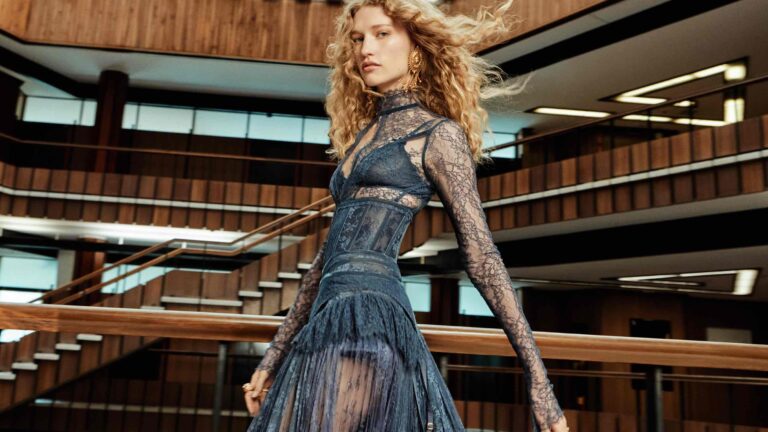
Vintage fashion is no longer just a niche interest or a passing trend – it has become a way of life, shaping how people express themselves through style, objects and everyday choices. What does vintage fashion popularity tell about us? Perhaps it is something much deeper than just a trend?
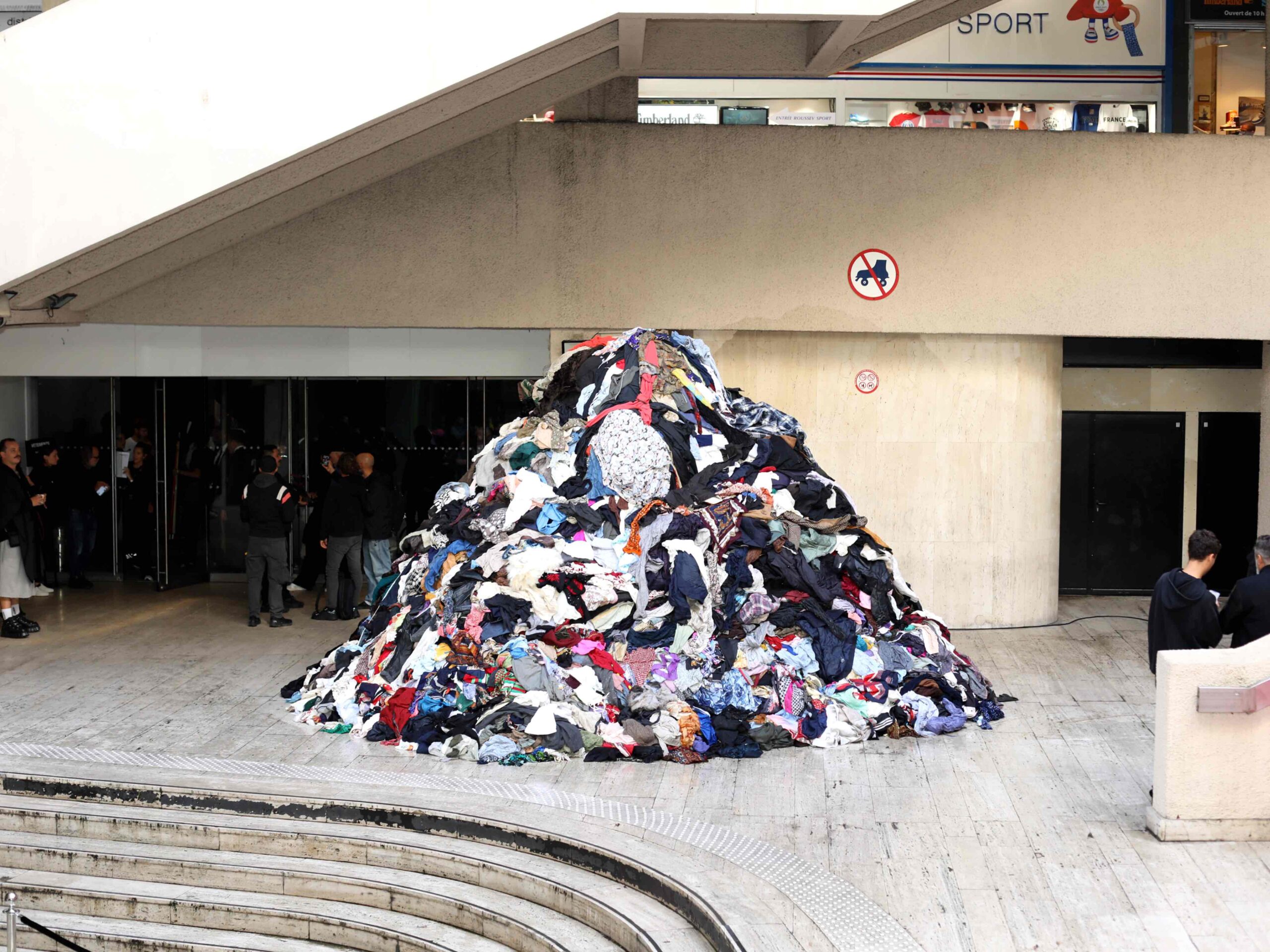
Vintage fashion is a phenomenon that has been gaining popularity in recent years. In opposition to shopping big brands and look alike products – many people choose to look for something more unique.
More and more individuals want to stand out through their personal style and express their individuality with distinctive and unconventional pieces of clothing. This is precisely why vintage clothing and accessories are attracting growing interest.
The phenomenon has not wen unnoticed by major clothing brands and vintage inspired fast fashion collections are becoming increasingly common. Retro style, aged or even looking like hand-made items are designed and mass produced to evoke the vintage vibe. Obviously this has little to do with the genuine vintage pieces of high quality that you can continue to wear, so to speak, giving them their own history.
One Vintage Item Changes Everything
Vintage fashion lets you wear clothes from different decades. Many vintage items are also valued for their high-quality materials and timeless designs. Beyond that, vintage style is not about wearing a complete retro outfit – often, even a single carefully chosen piece is enough to transform a look. Once again retro is contemporary made look old, vintage is a real piece representing the time it came from.
A watch, a bag or another unique accessory can effortlessly elevate your style and add a personal touch that sets you apart. This approach makes vintage fashion both diverse and accessible. Basically you do not need to scream old style by wearing it.
Vintage as a Lifestyle, Not Just Clothing
For me personally, vintage fashion is not just about clothes. It goes much further beyond. Accessories such as watches, bags or glasses represent a subtle transition from just contemporary trend following to the pursue of the timeless vintage aesthetic that we have come to appreciate so much in recent years.
I am also thinking about old film cameras that we use to capture special moments or vinyl records for music enthusiasts, as well as vintage or retro furniture.
Of course, if we filled an entire home with such items, we would end up in pure nostalgia, and it might start to look like our grandparents’ home. However, if we complement our space with just one or two interesting vintage pieces, the result can be truly unique and visually appealing – since we can bring our passions to life right at home.
For example, if you’re a fan of the 1920s and 1930s, you can try to find furniture from that decade and use it to decorate your home. That way, you will not only have a unique piece but also highlight your personality. Or, if it is hard to find or afford the original pieces, you can try recreating them by following design and material use principle of the older decades. It would be let us say your modern classic.
Hunting for Unique Pieces
When it comes to clothing and accessories, unique items are most often found in vintage shops or so-called second-hand stores. I think these places are perfect for browsing a carefully curated selection of items to suit every taste. Everything is in one place, making it easy to find something special for yourself at affordable prices. Although the hunt for a unicorn find fuelled by social media thrift shop diving content made the prices grow.
You can also shop online on platforms like Vinted or Thrifted, where you can find not only clothing and accessories, but also furniture, cameras, vinyl records, and essentially almost anything you can imagine. In my opinion, this makes shopping in vintage stores even more exciting, as it turns the search for unique items into a kind of treasure hunt. Major retailers like Zara or H&M are trying to get into the niche by offering pre-owned or as they say pre-loved platforms. However the market remains widely democratic with countless individuals making their living from vintage fashion.
Wearing Unknown Histories
It is also worth reflecting on the history behind second-hand and vintage items. In many cases, we can never be fully certain where these pieces come from or what stories they carry.
This raises an interesting, yet very personal question about how we perceive and emotionally relate to pre-owned clothing.
While many people believe that giving these items a second life allows them to gain new meaning with a new owner, for me it remains an open question, as wearing something previously owned by someone else can also feel like carrying a part of an unknown history.
Maybe this is just my personal perspective, and perhaps I should fully embrace this aesthetic without overthinking it or letting emotional doubts get in the way?
For me, vintage fashion isn not just a trend that involves buying a few retro-style items and enjoying them. It is first and foremost a way of life that reflects our identity and our values.
Of course, that does not mean living in the past. It just means that this lifestyle is, to certain extent, shaped by our mindset. It is about the value and history of every item, its details, and the emotions that connect us to it. It is not about nostalgia for a certain aesthetic. With every progress and every step forward we also give up something valuable. That missing good can only be appreciated while looking backward.
It is about the value we see in the old cameras, old CDs, vinyls, and everything around us. Our daily objects gather their owns stories a they are being used. Whether you want to be that story the a of your own story is entirely up to you.
Article by Daria Diemidova