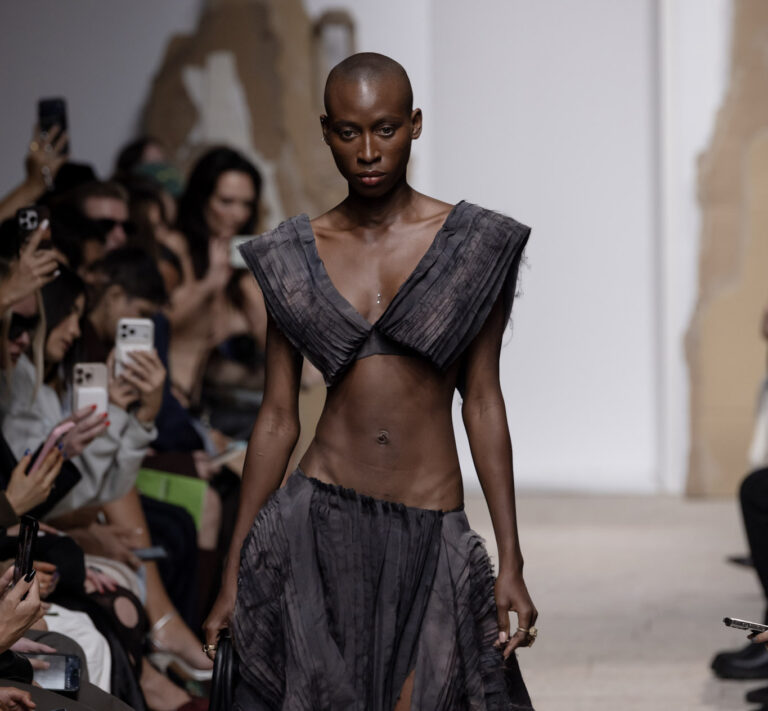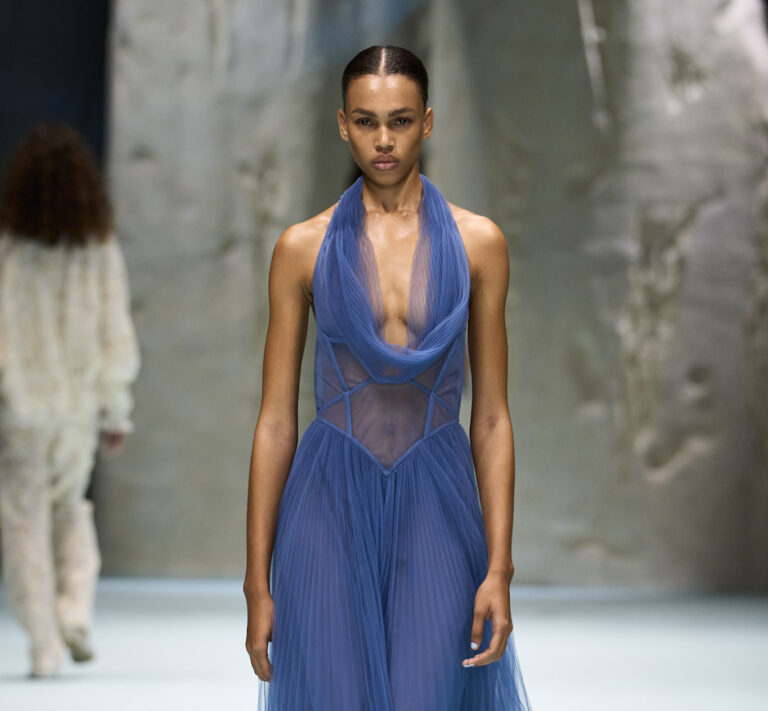
For Spring/Summer 2027, Erdem looks to Barbette – the legendary 1920s aerialist who blurred the boundaries between masculine and feminine, as a powerful symbol of transformation.
The privileges of beauty are immense.It influences even those who fail to notice it. – Jean Cocteau
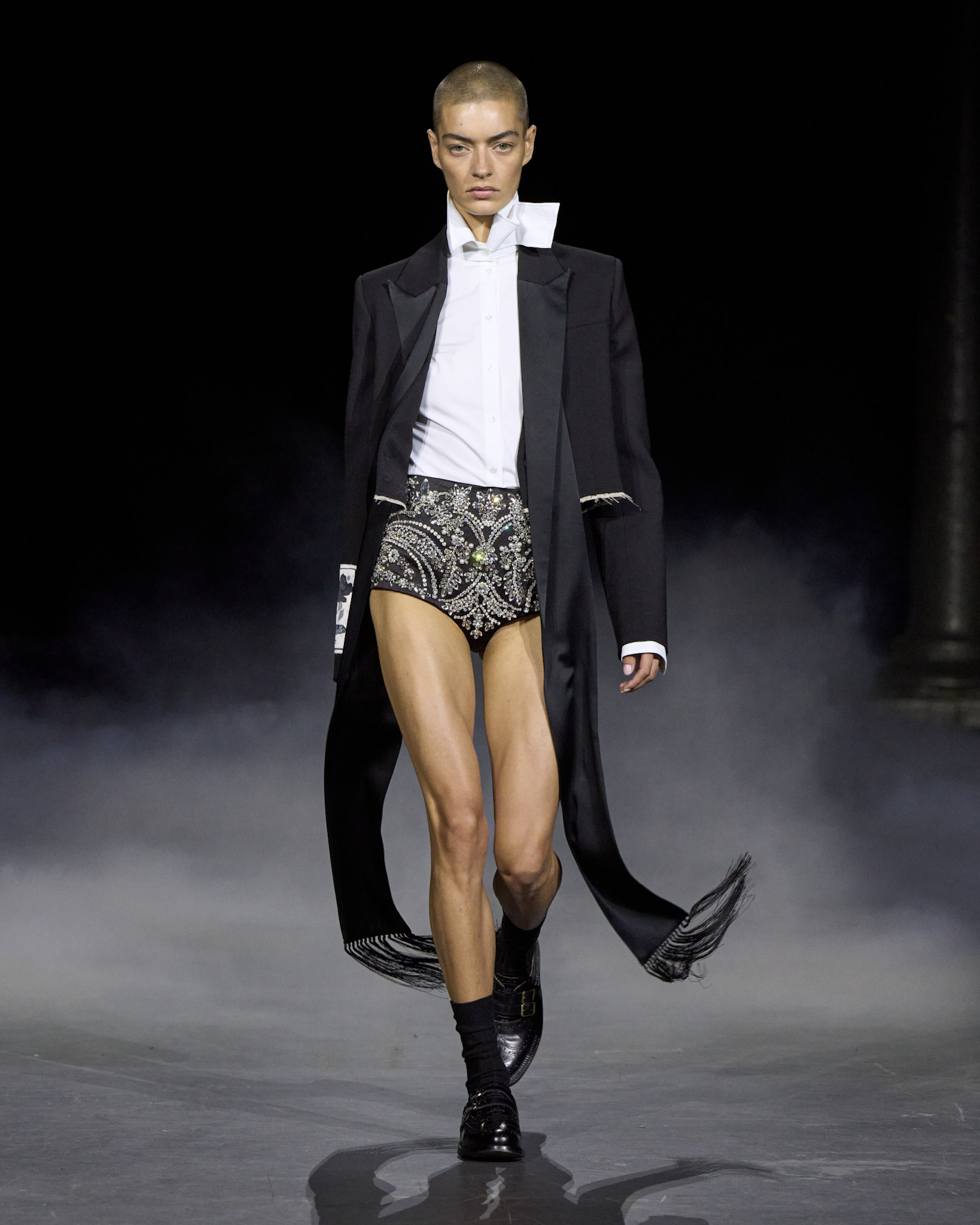
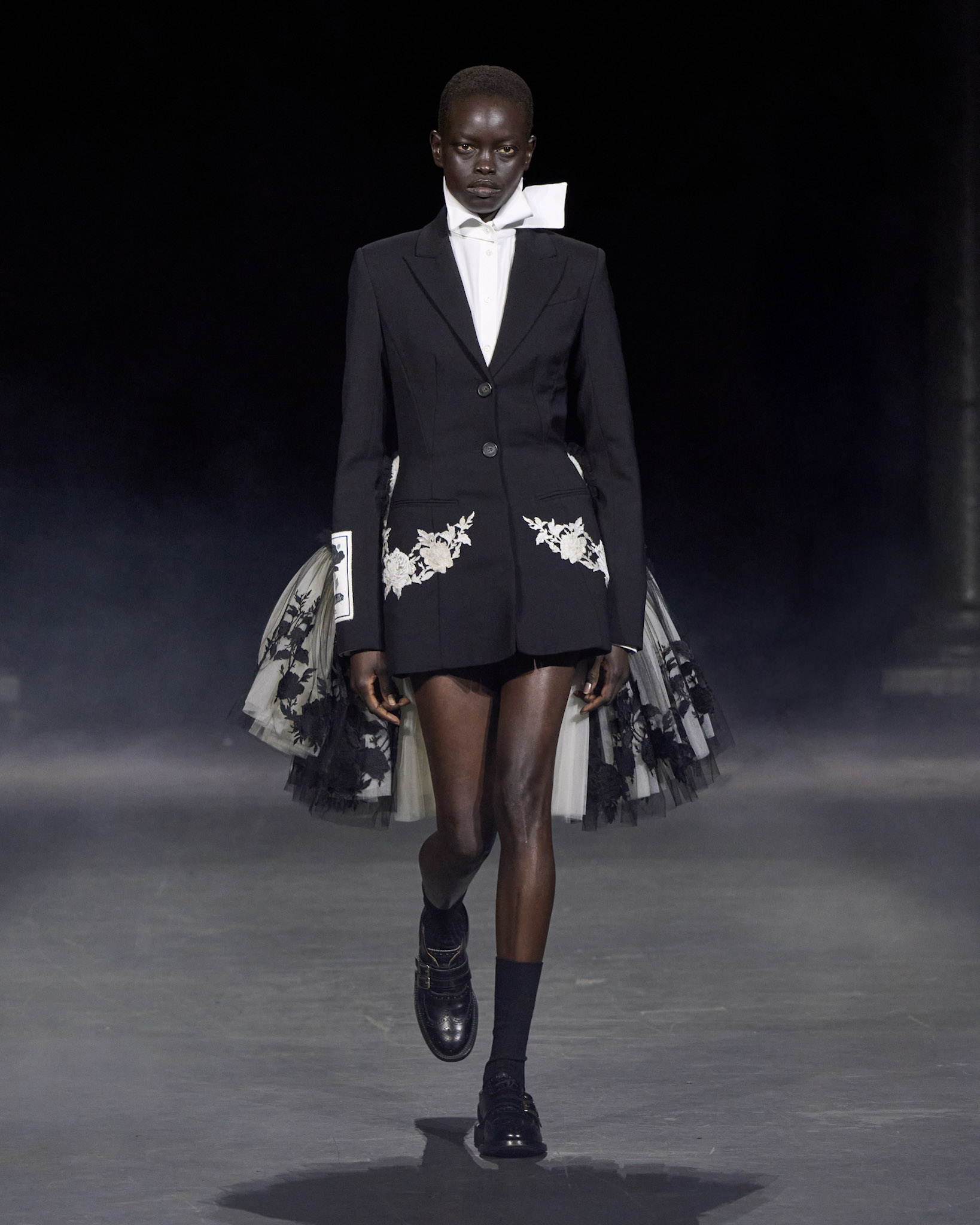
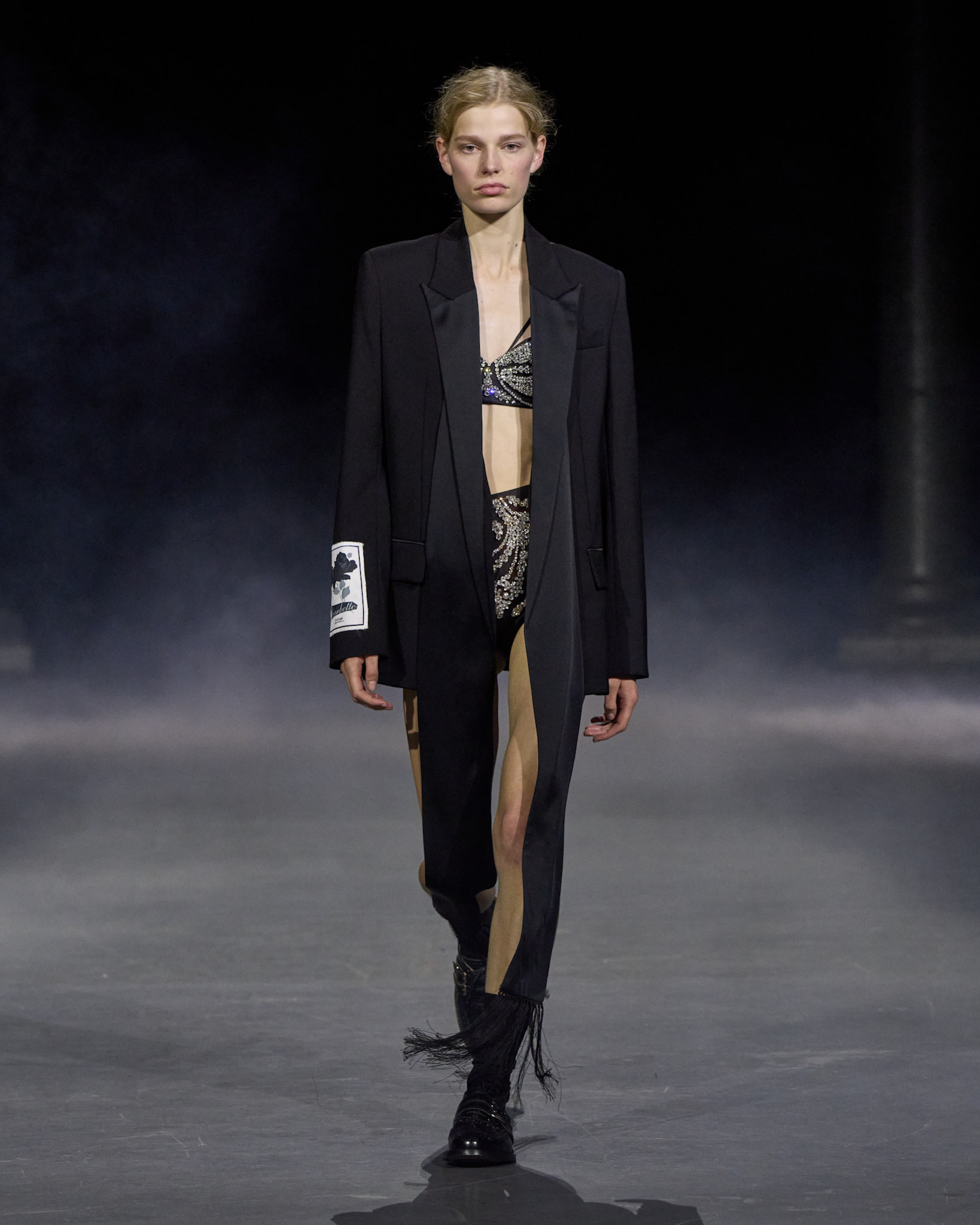
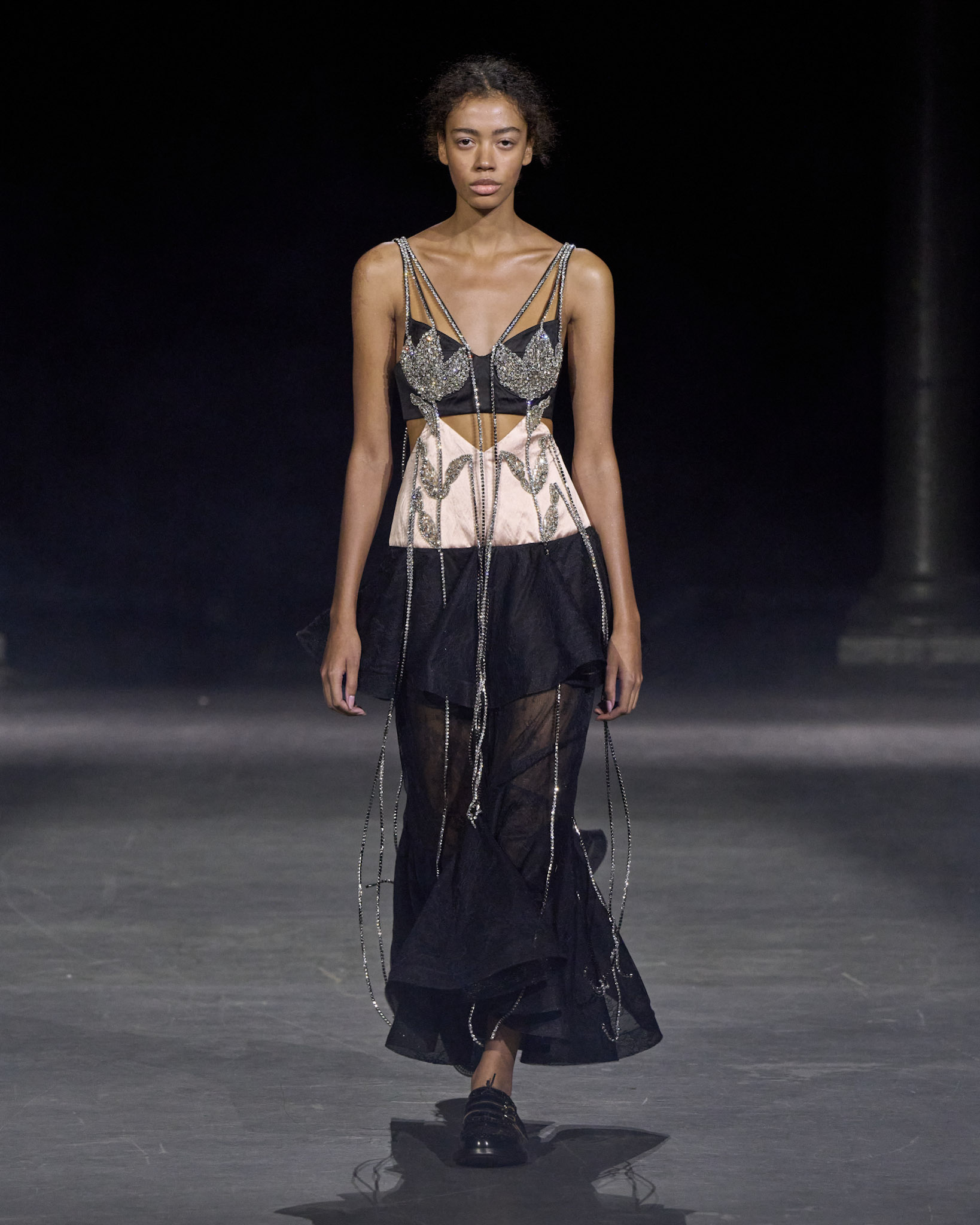
In 1920s Paris, the American aerialist Barbette ascended the trapeze as a woman and descended as a man. Born Vander Clyde Broadway in Texas (1899–1973), he transformed technical daring into an act of illusion: femininity was conjured, while the strength that kept him aloft remained almost invisible.
A defining turn came when Barbette moved to Paris, where he found fame and became a sensation of the 1920s avant-garde. It was there that he became a muse to Jean Cocteau, who recognised in his act something beyond disguise.
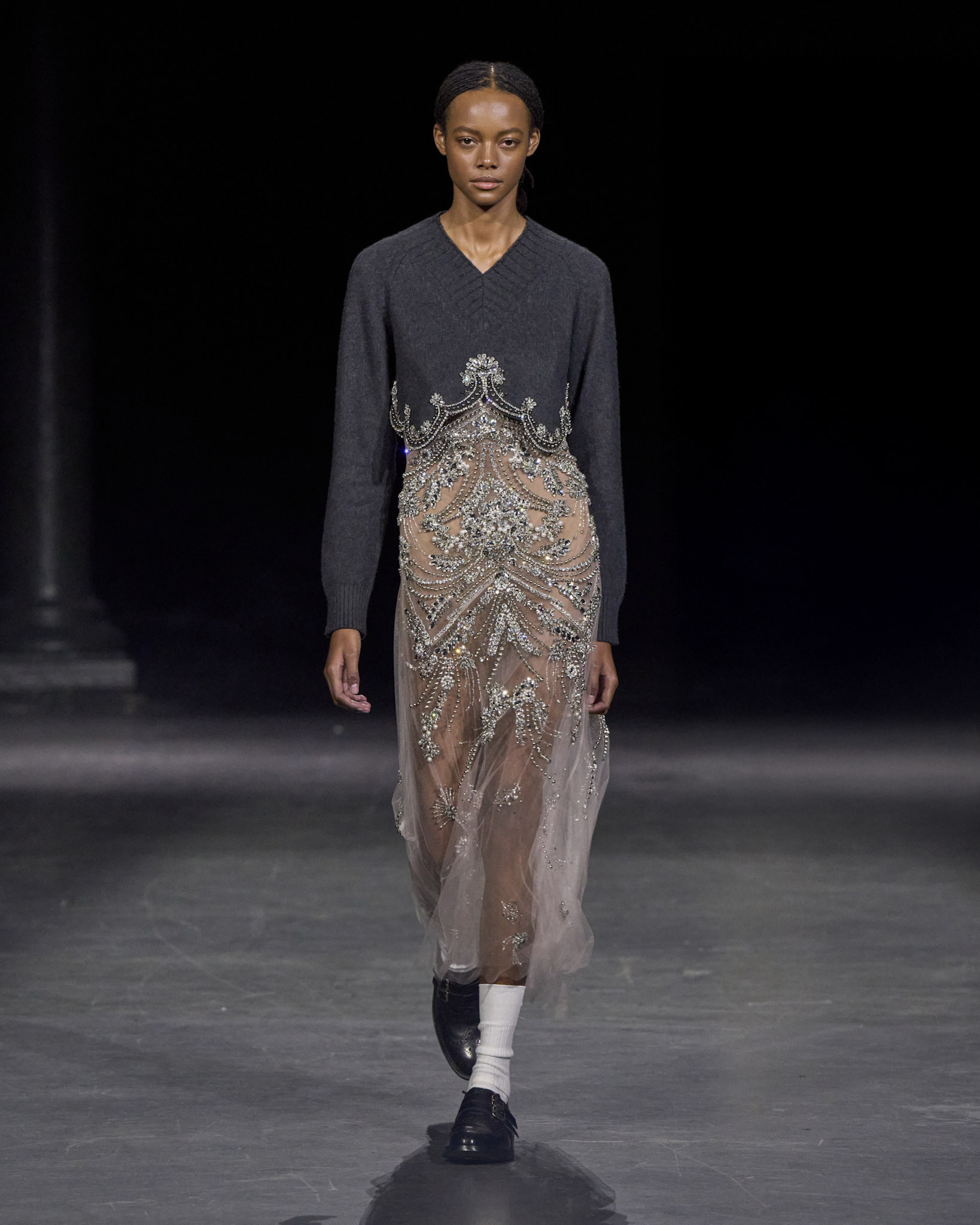
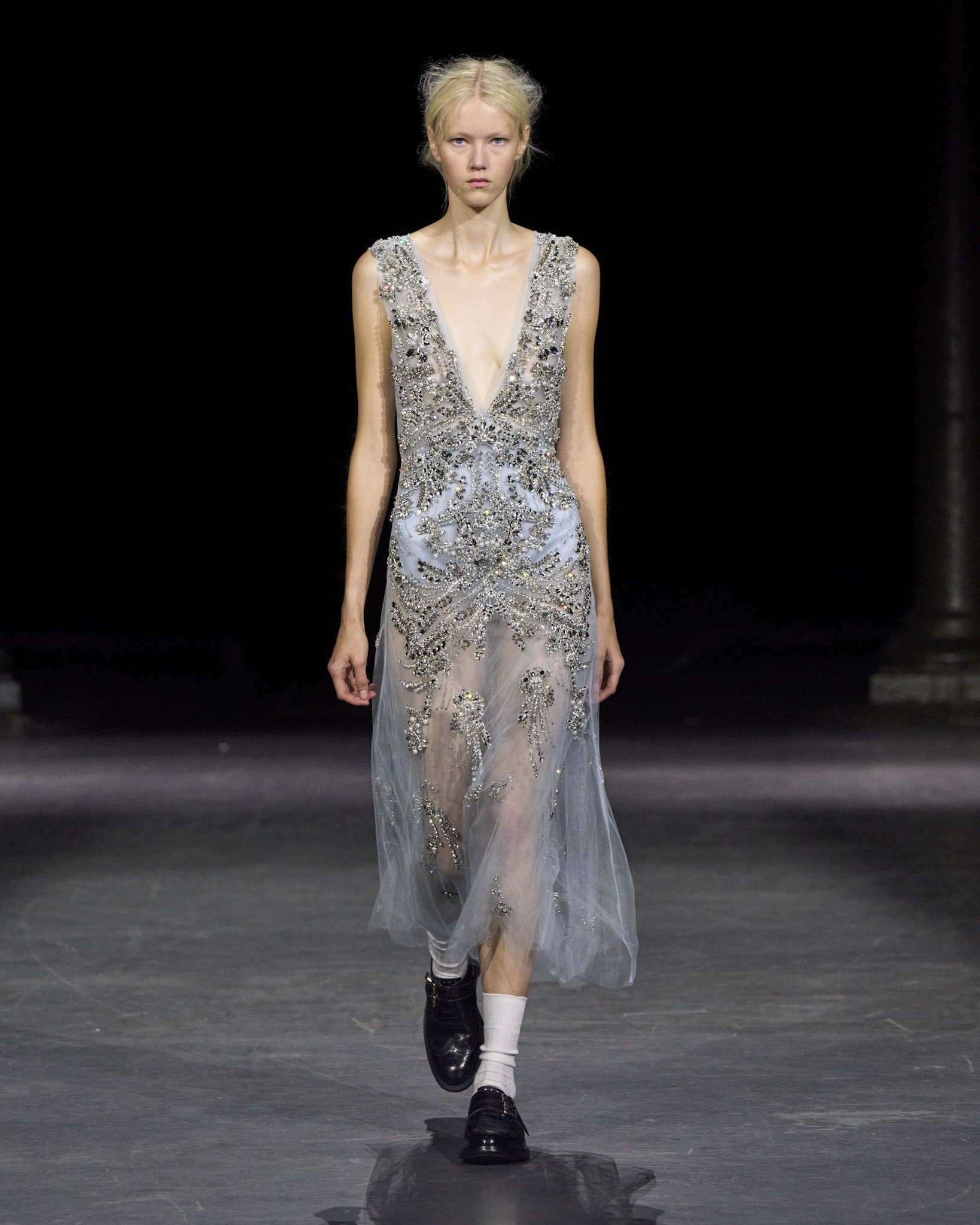
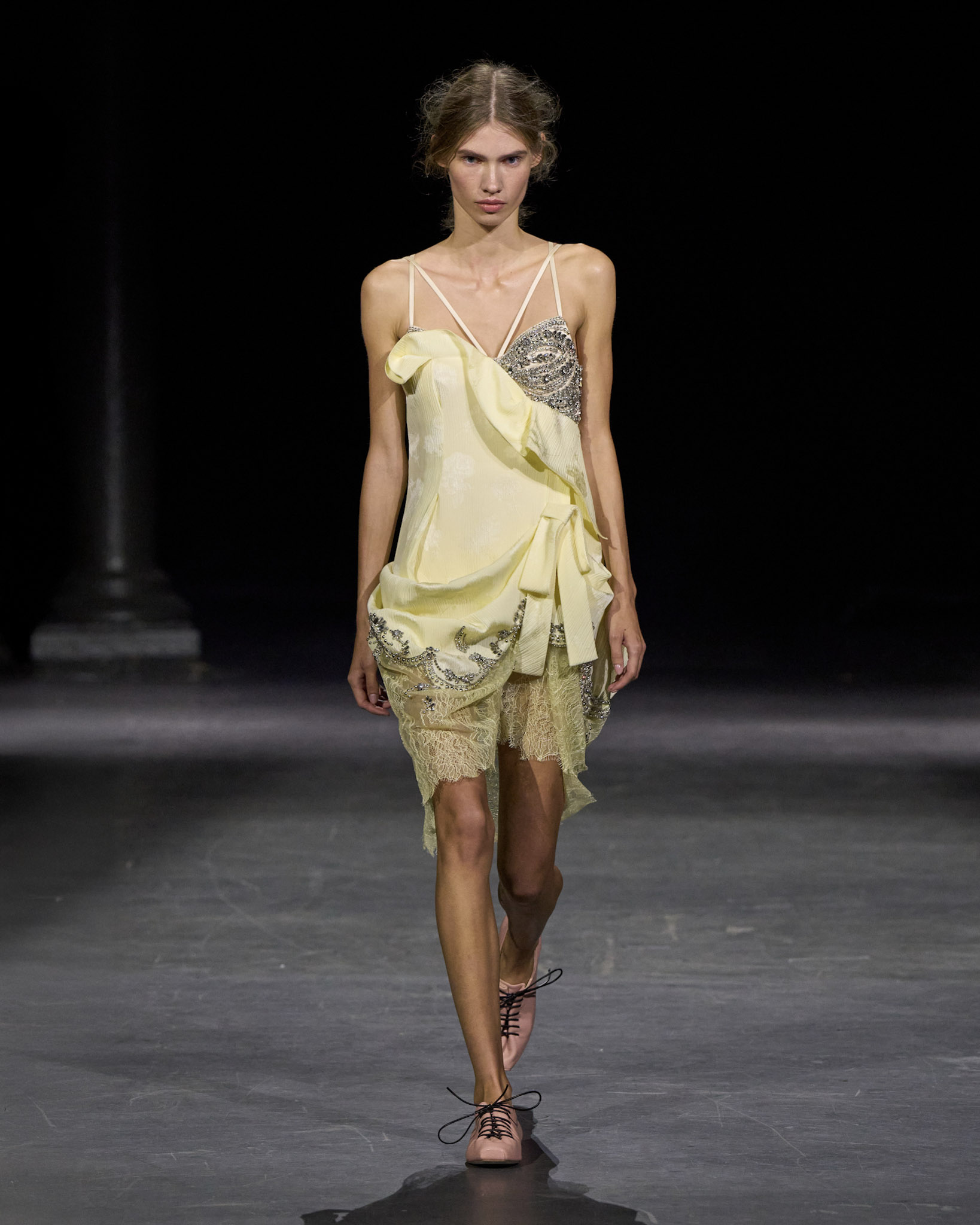
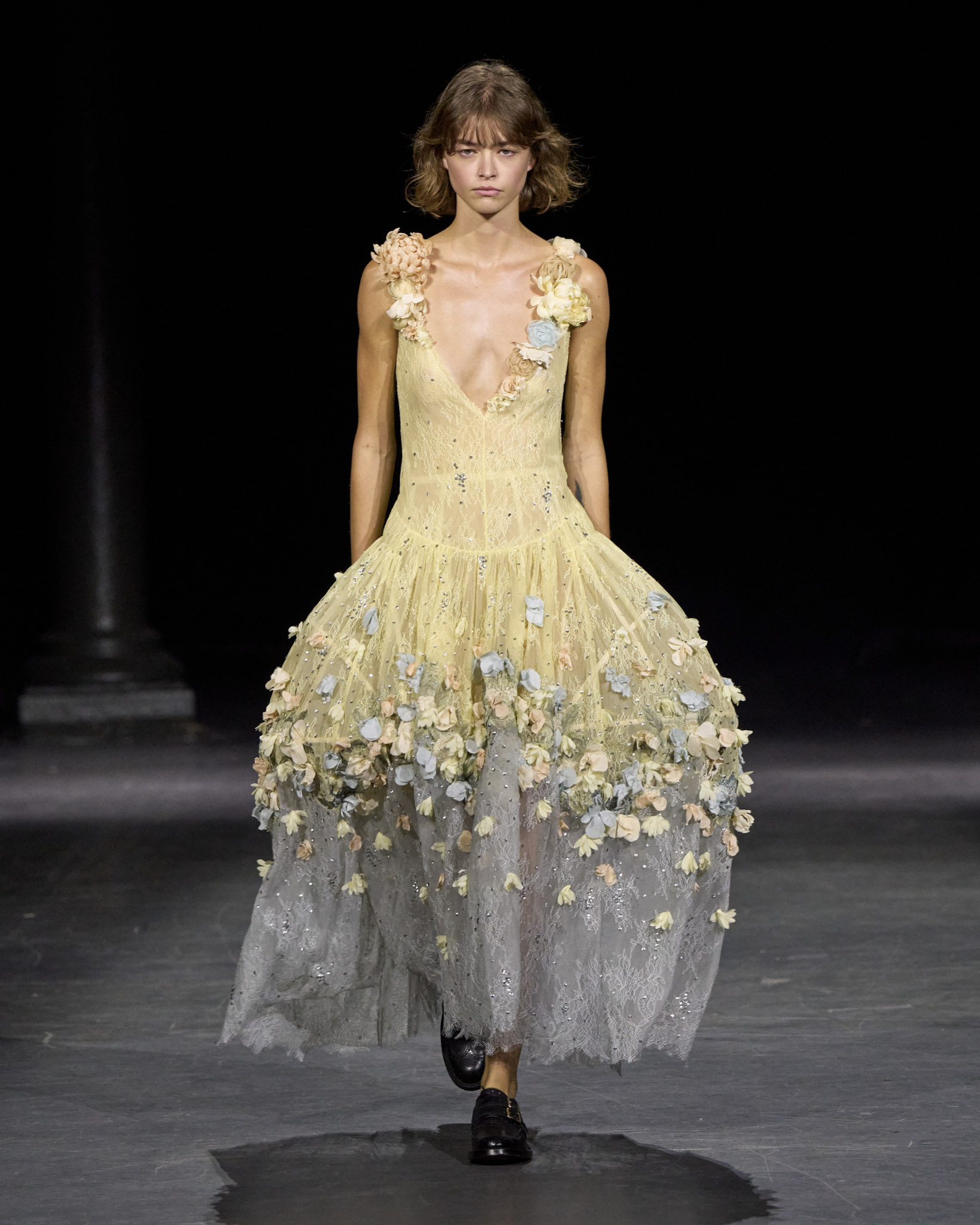
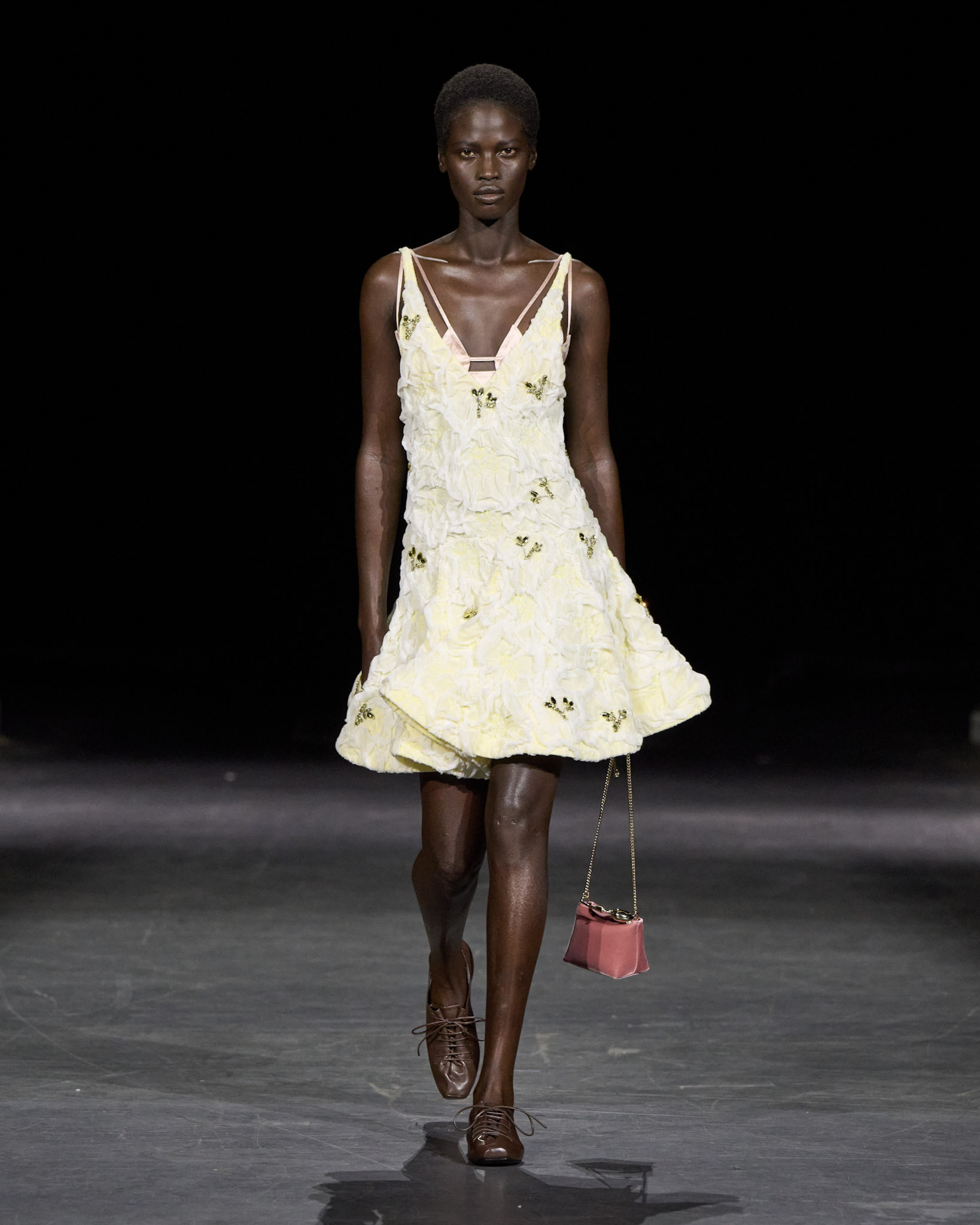
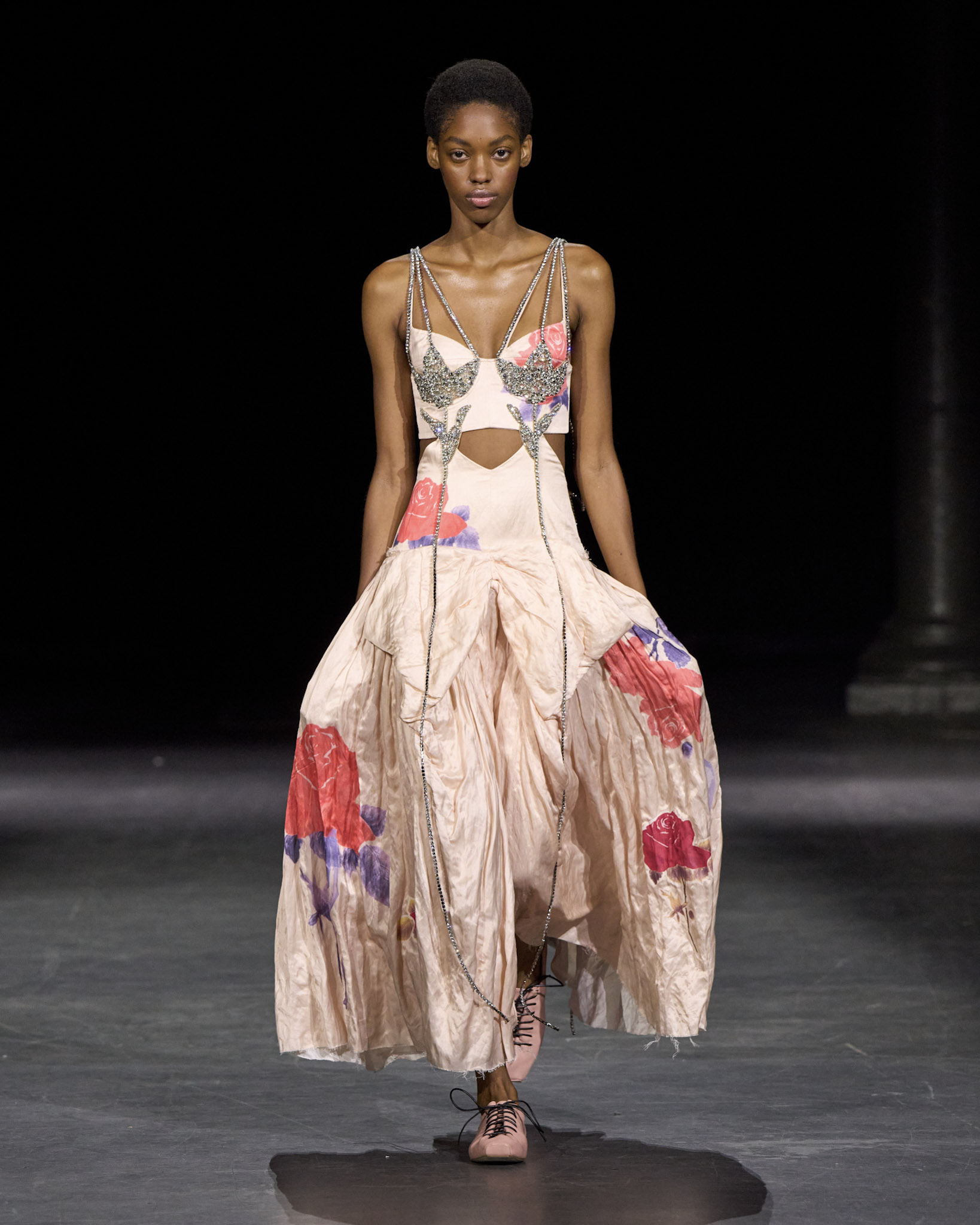
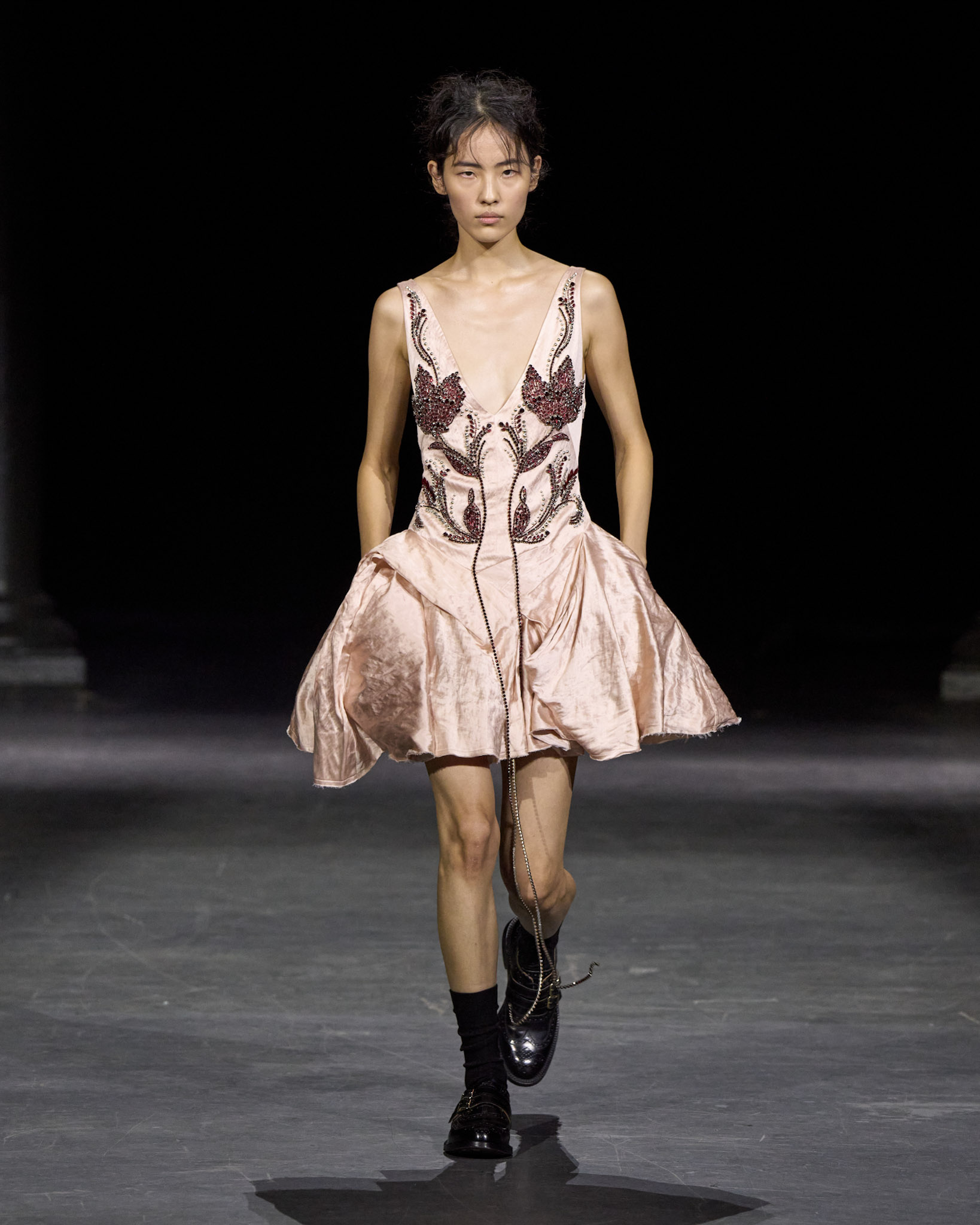
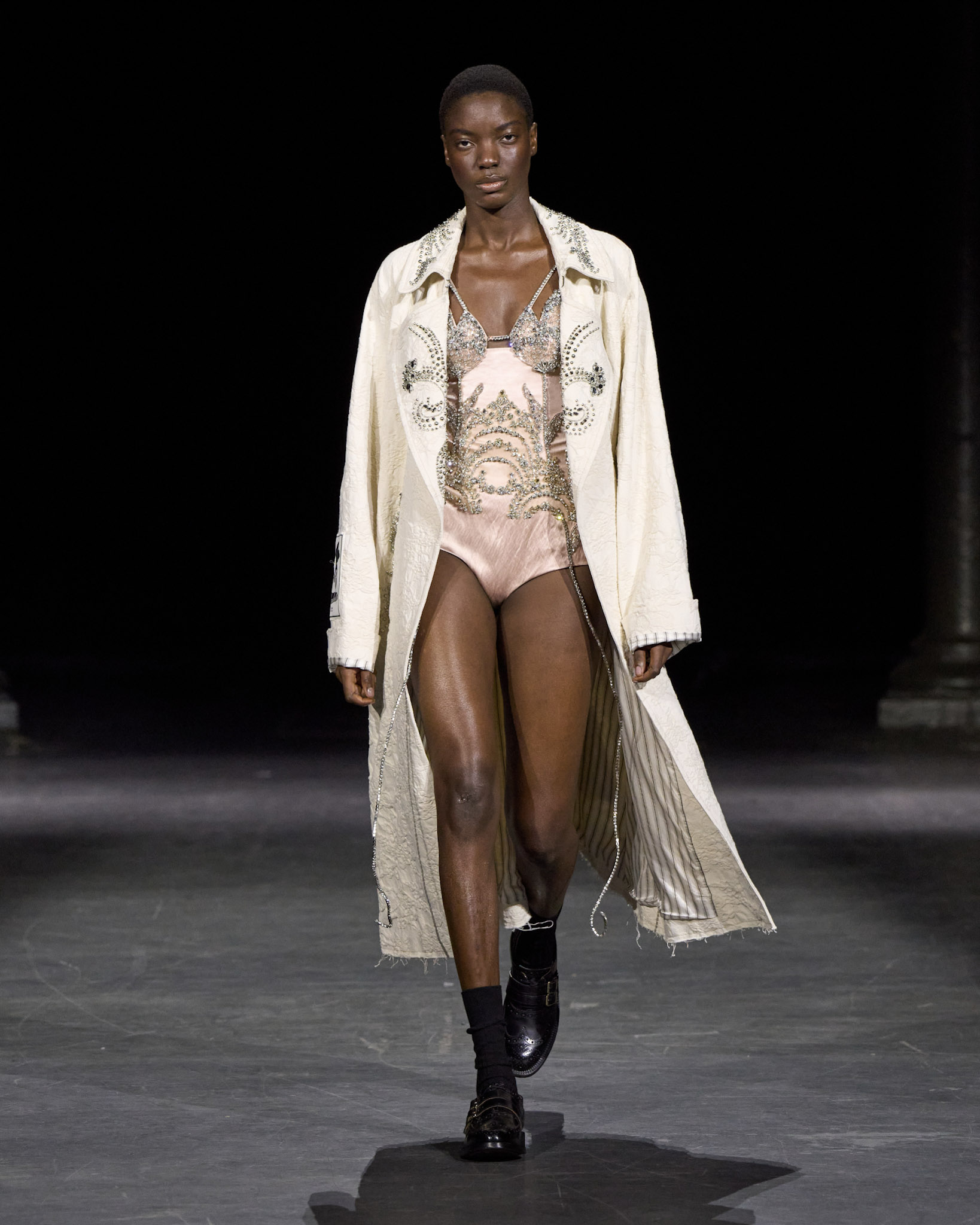
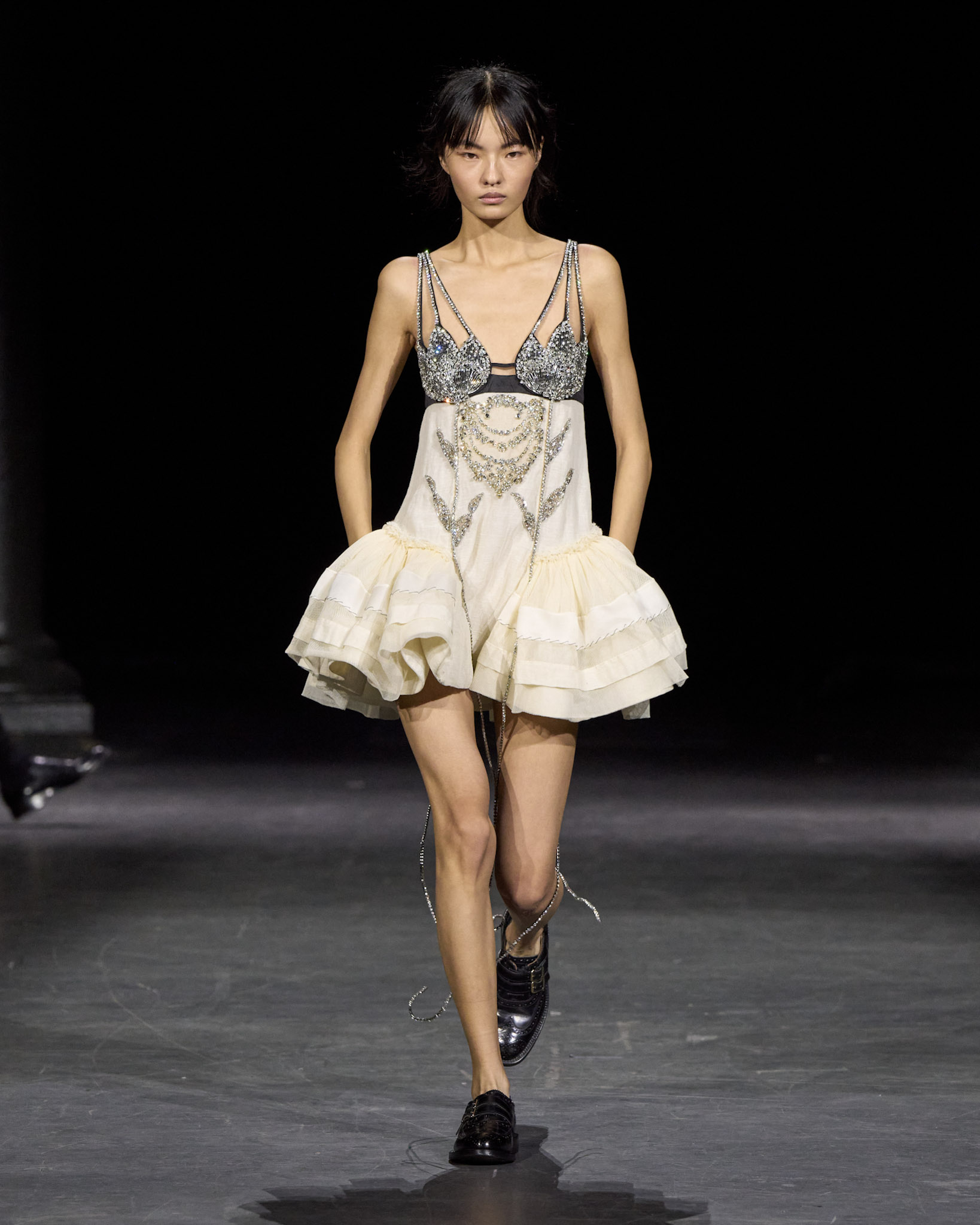
In his 1926 essay, Le Numéro Barbette, Cocteau described a performer moving between masculine and feminine with such conviction that neither could claim the final truth. At the curtain call, the removal of a wig did not reveal the ‘real’ Barbette; masculinity, too, became a role, consciously performed. His beauty lived in the charged space between identities – what Cocteau called the “supernatural sex of beauty”.
For Spring Summer 2027, Barbette’s suspended world becomes a study in transformation. The architecture of masculine and feminine forms is pushed and pulled.
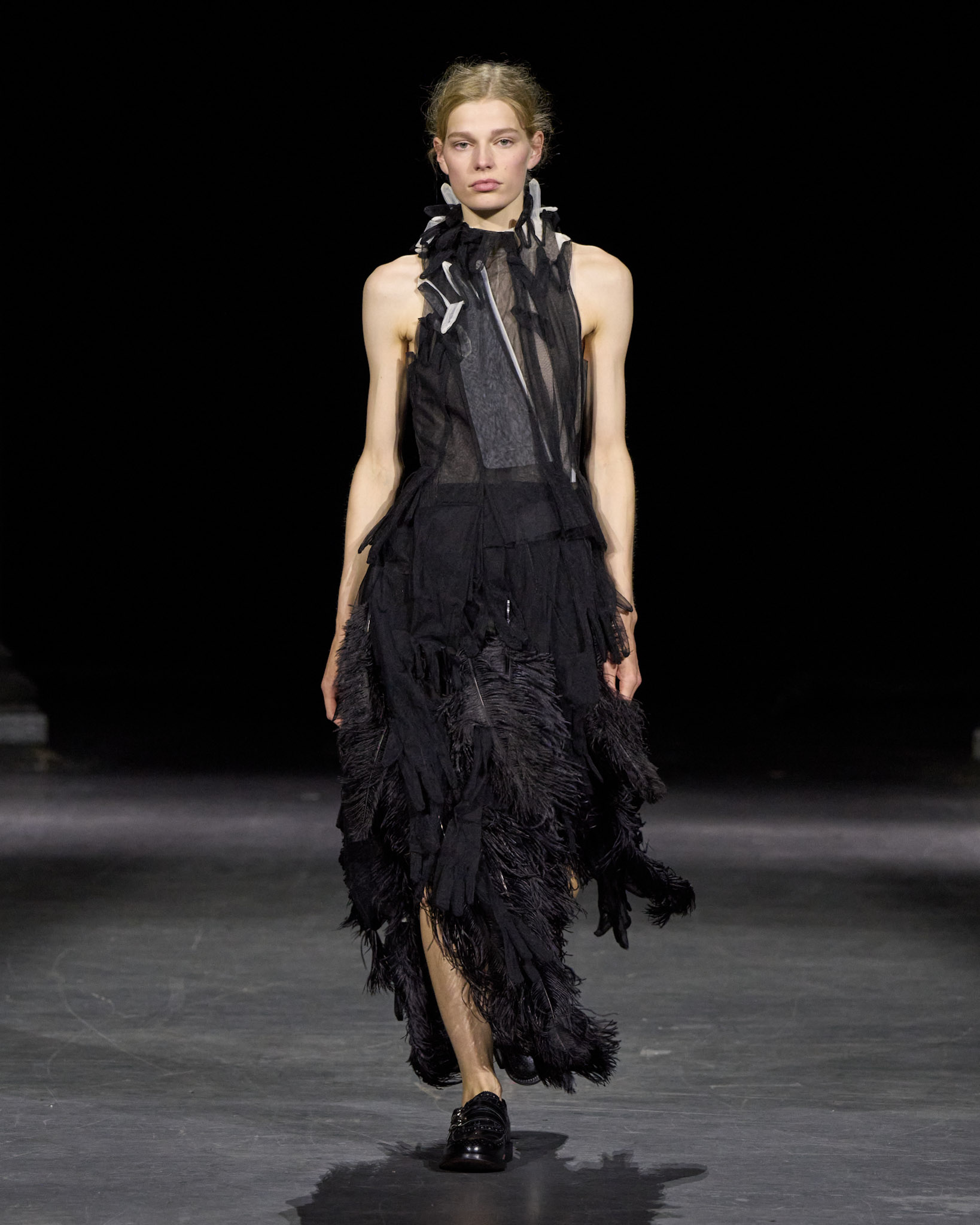
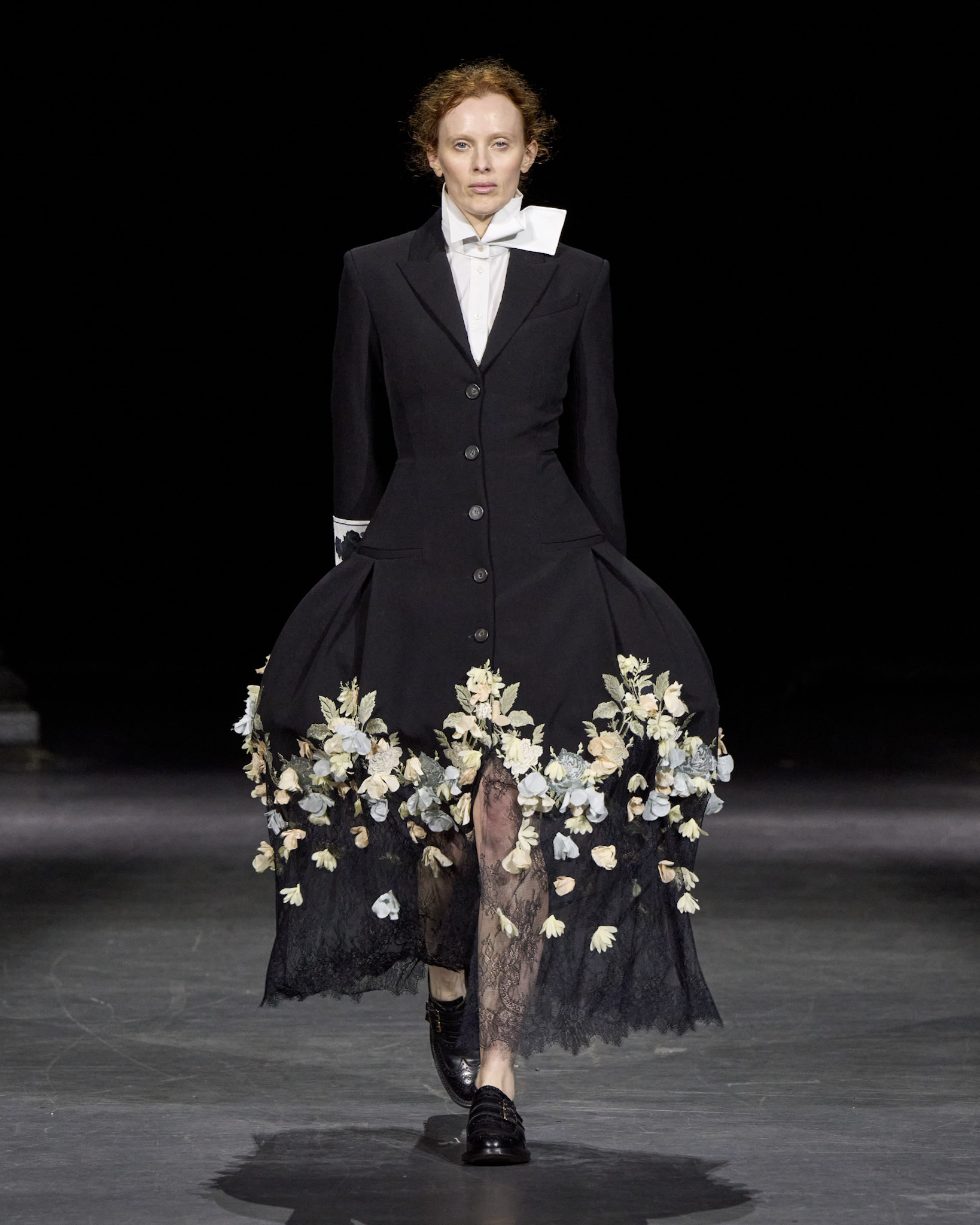
A century later, Barbette remains urgently modern: a reminder that identity can be authored, beauty need not resolve, and gender may be less a fixed destination than a high wire – tense, luminous and alive with possibility.
Source: Erdem