These days, life moves quickly, but train travel lets you slow down. You can watch the scenery pass, visit new cities, ride in vintage carriages, and enjoy taking your time. From the snowy Swiss Alps to Europe’s grand capitals, these routes invite travelers to savor every moment and rediscover the romance of the journey.
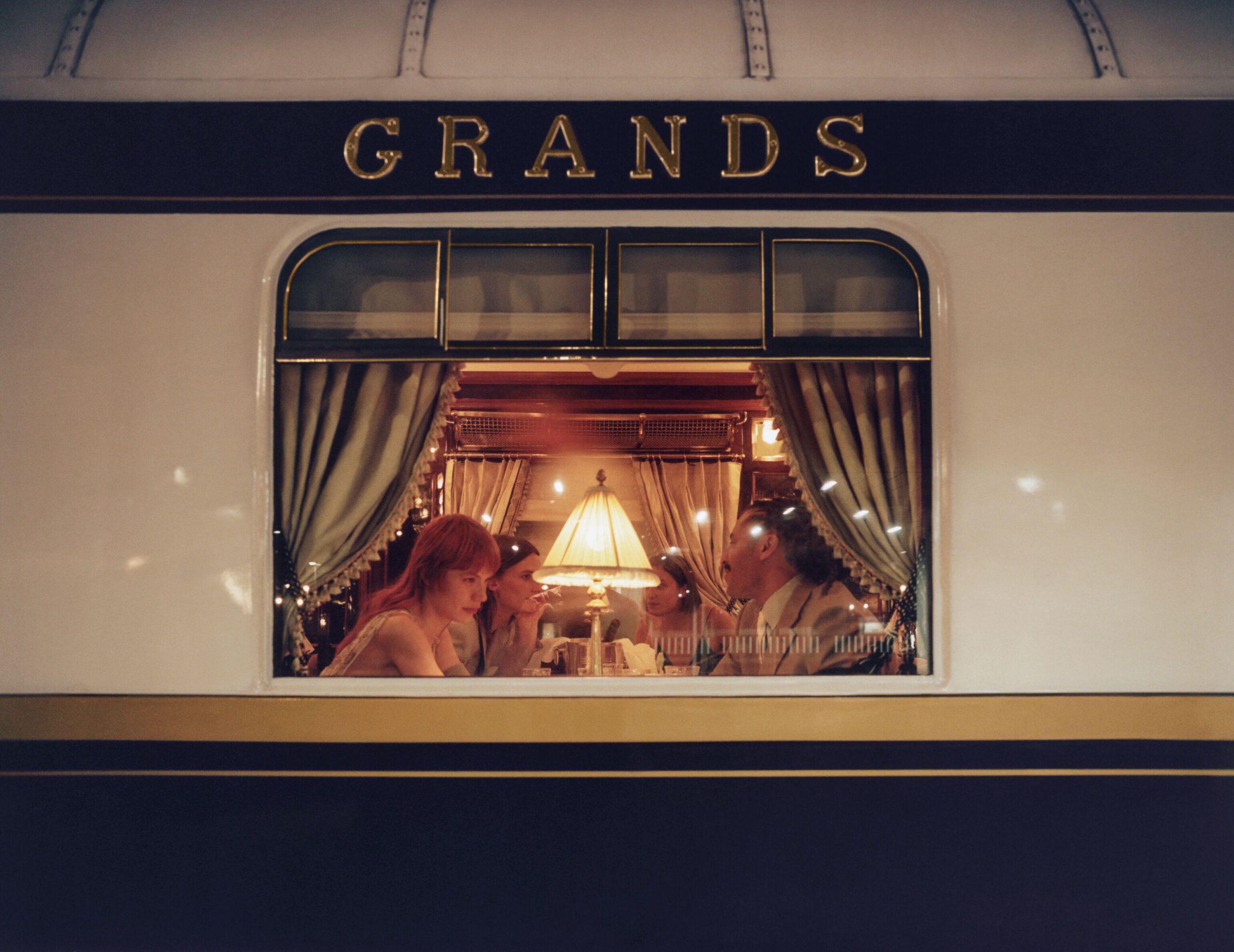
Outside, the first snow of the season falls quietly. With Christmas and New Year’s coming, there’s a special feeling in the air. As daily life continues, that familiar sense of anticipation returns, and the season begins to feel magical. That feeling of wonder is already here.
Travel once began long before you arrived. It started on the platform, with suitcases, relaxed conversations, and the excitement of not knowing what was ahead. More than just a way to get somewhere, the train marked the start of an adventure, and the journey itself was something to enjoy.
Today, we often value speed and convenience. With the Christmas holidays coming up, it may be worth remembering another way to travel. Here, time slows down, snowy views pass by the window, and the journey matters as much as the destination.
A hundred years ago, rail travel had its own special traditions and style. Shiny carriages, polished silverware, white tablecloths, formal clothes, and relaxed conversations in the dining car made the trip feel like a celebration. In those days, travel was about more than just getting somewhere. It was about enjoying every part of the journey.
Even though the world has changed, some traditions remain. When they return today, they remind us that real elegance in travel is about more than just the destination. It is also about preserving the feeling of wonder along the way.
Rhaetian Railway – A World of Alpine Wonders
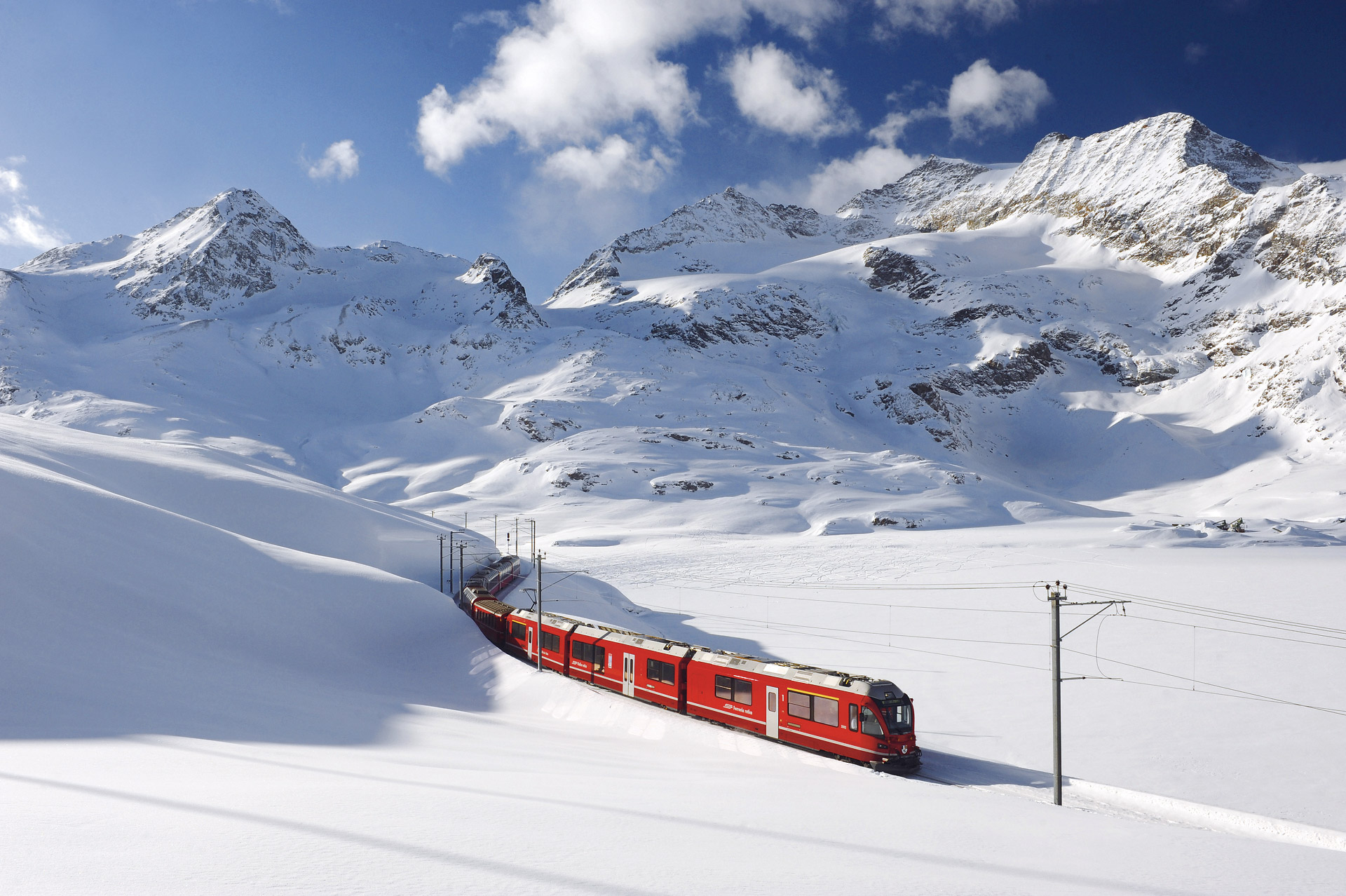
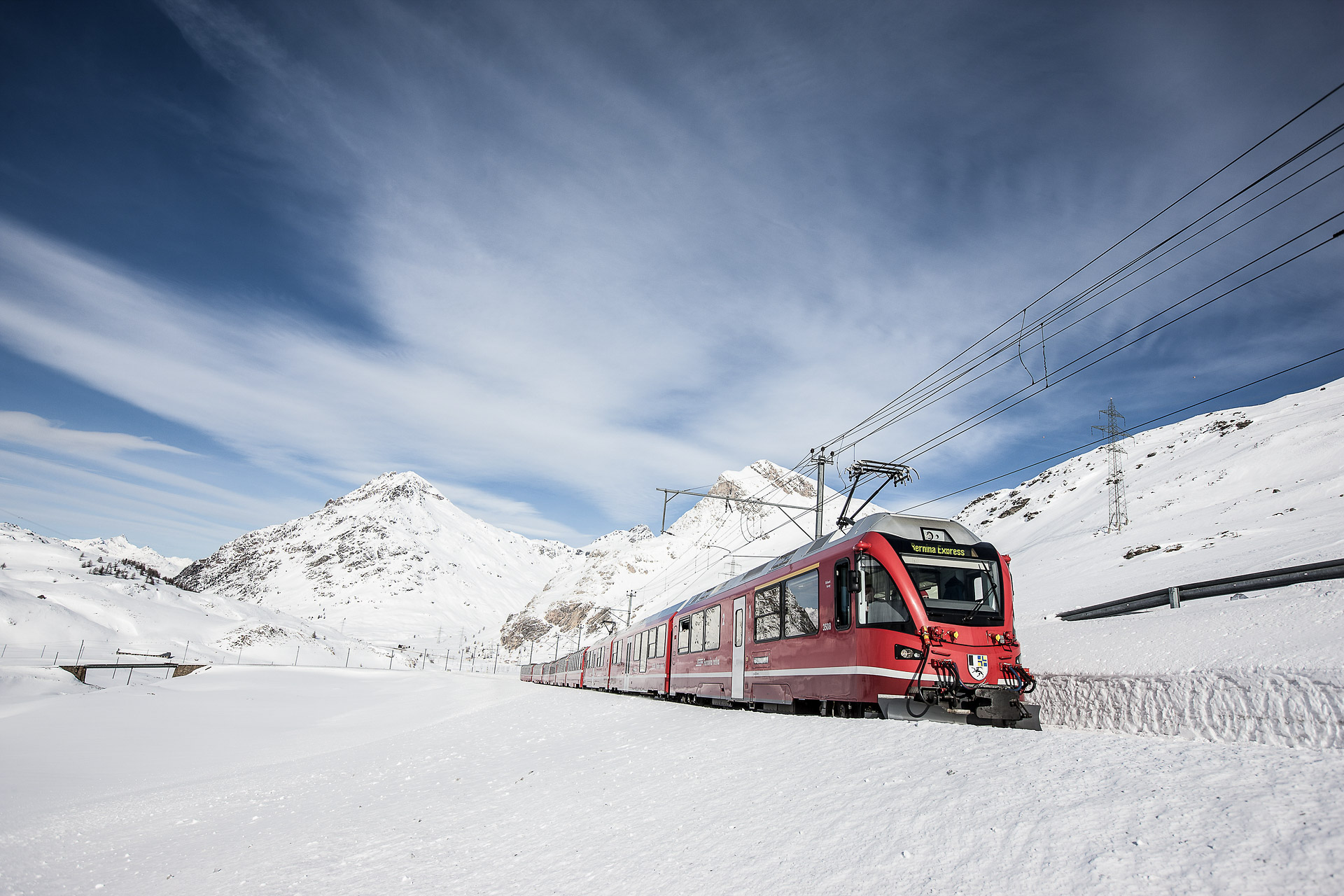
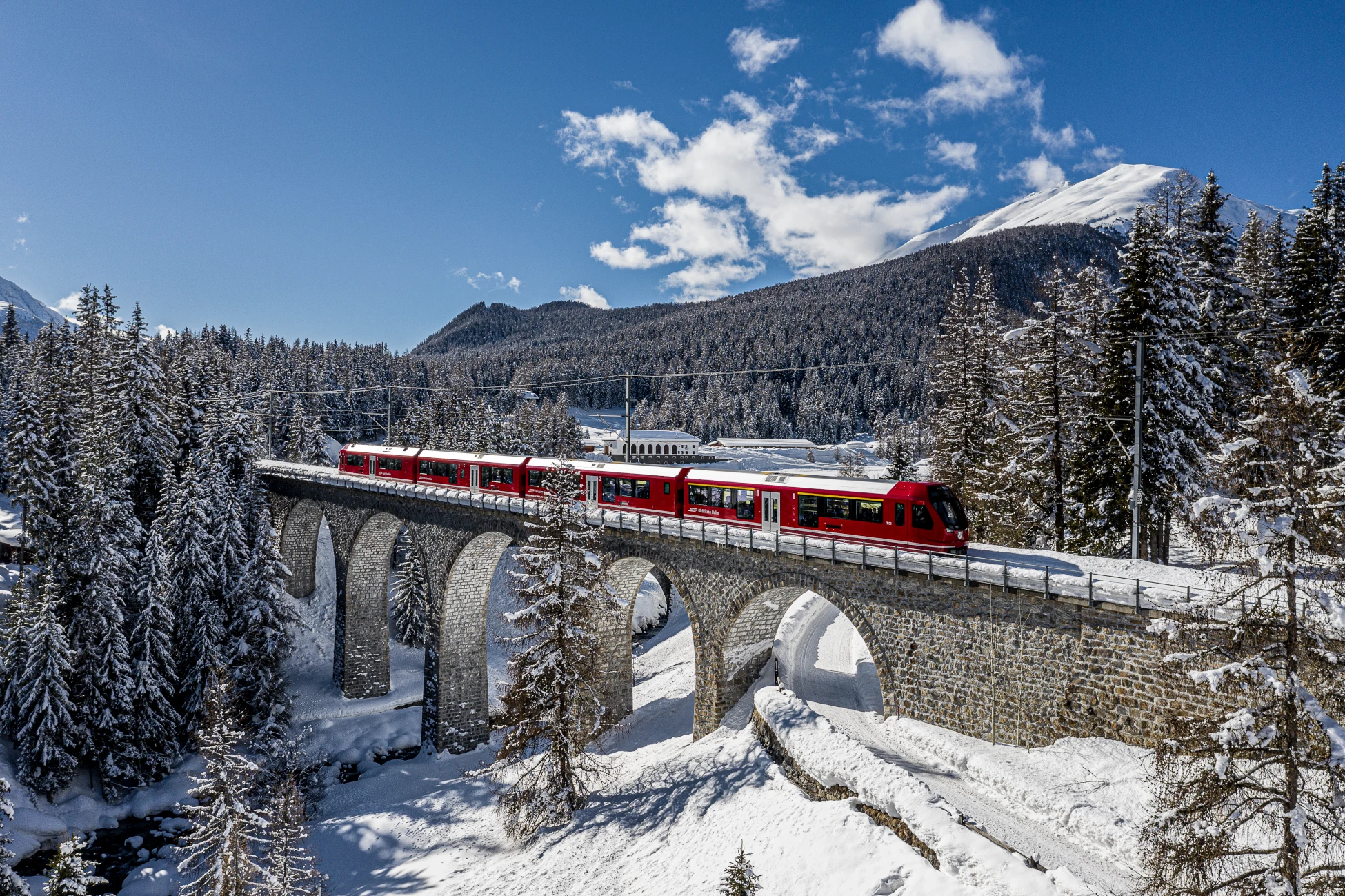
Historic railway heritage, impressive engineering, and Alpine landscapes make the Rhaetian Railway (RhB) a special part of Swiss travel culture. For over a century, its red trains have crossed mountain valleys, tunnels, and viaducts, showing passengers one of Europe’s most picturesque regions.
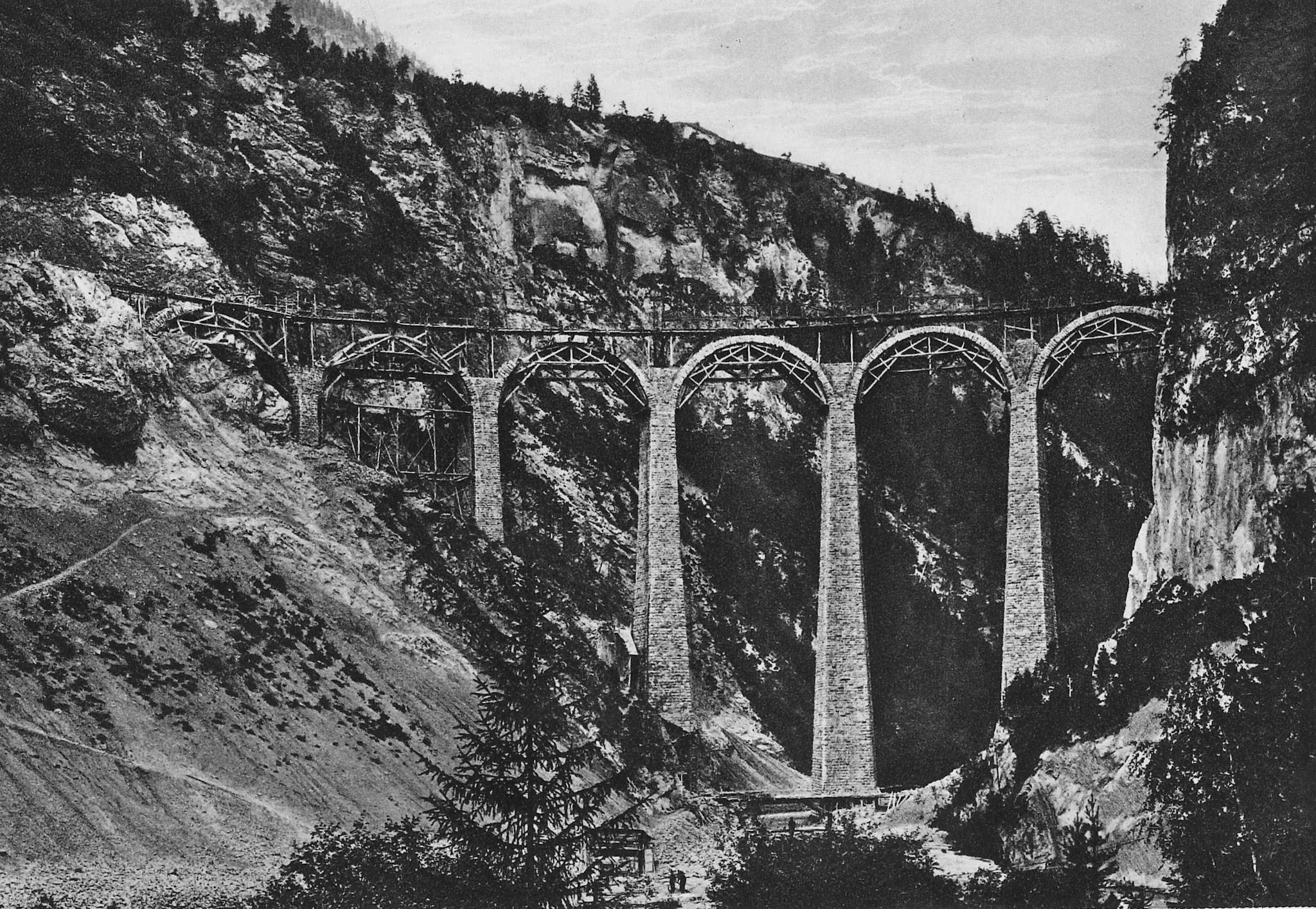
The Albula and Bernina lines are key parts of the railway’s history. In 2008, they became a UNESCO World Heritage Site. The 122-kilometer route from Thusis, Switzerland, to Tirano, Italy, crosses 196 bridges and passes through 55 tunnels and galleries. One of its most famous structures is the Landwasser Viaduct, a 65-meter-high bridge built in 1901 and 1902 that leads directly into a tunnel carved into the rock. These engineering feats show the skill of early 20th-century railroad pioneers.
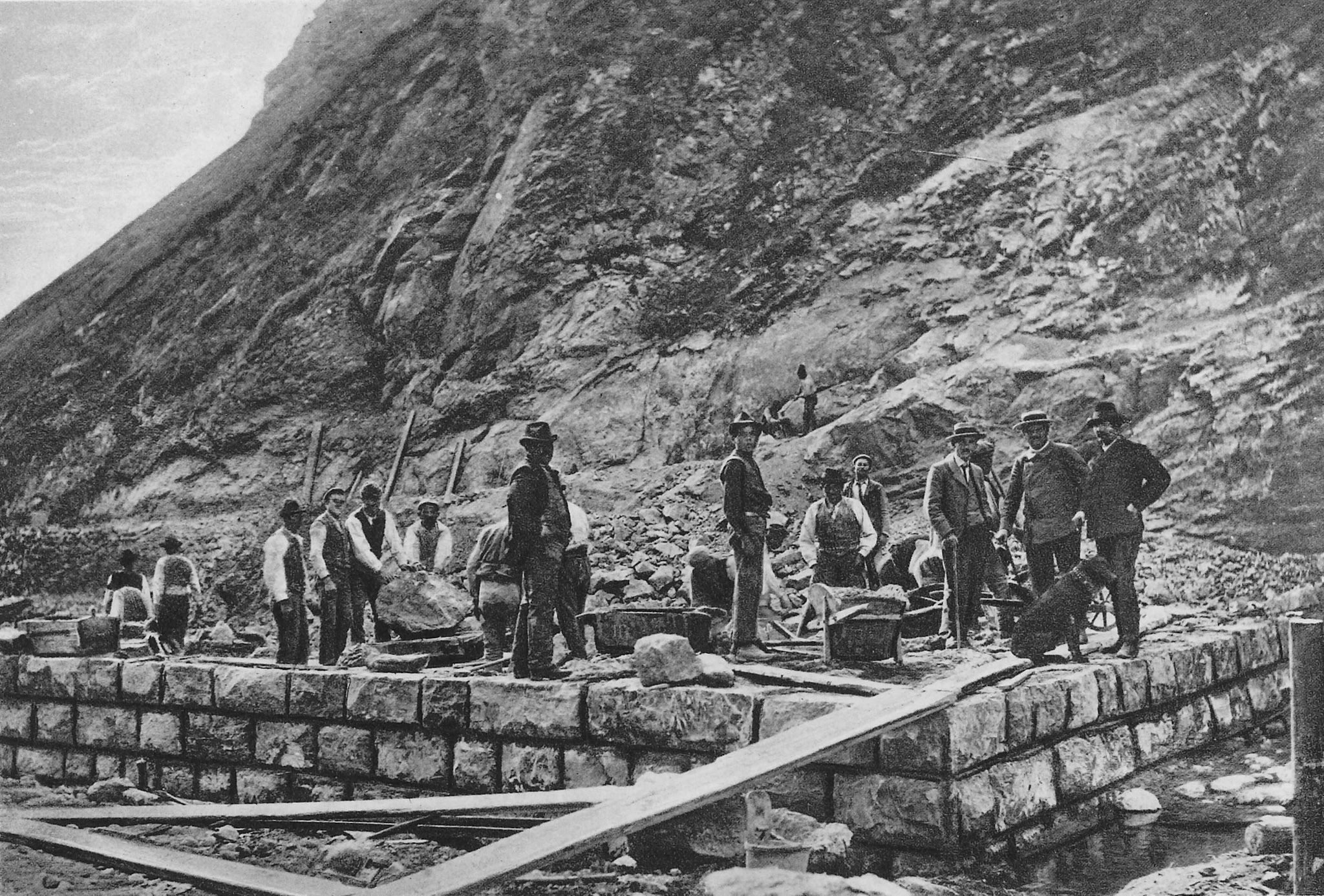
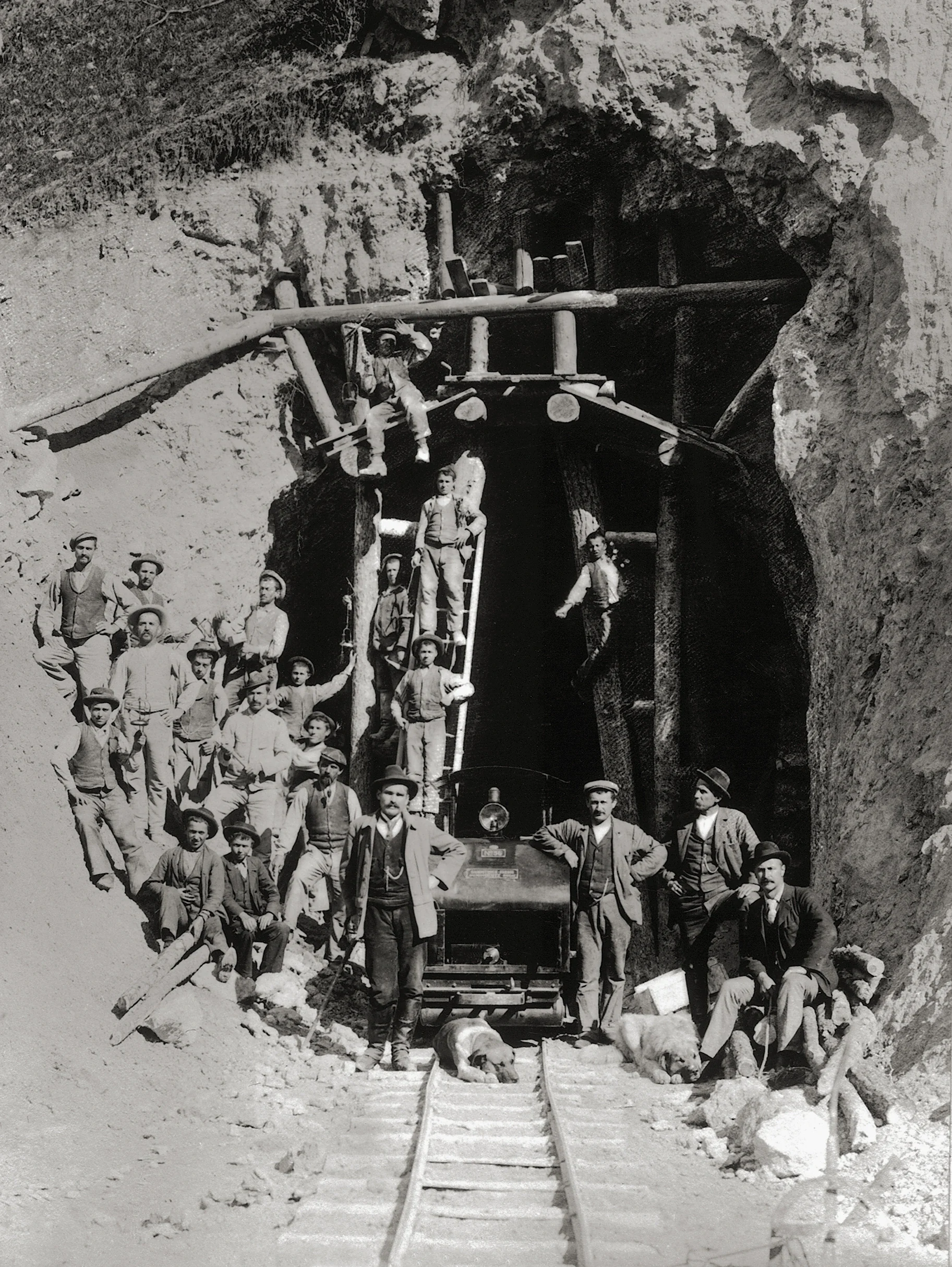
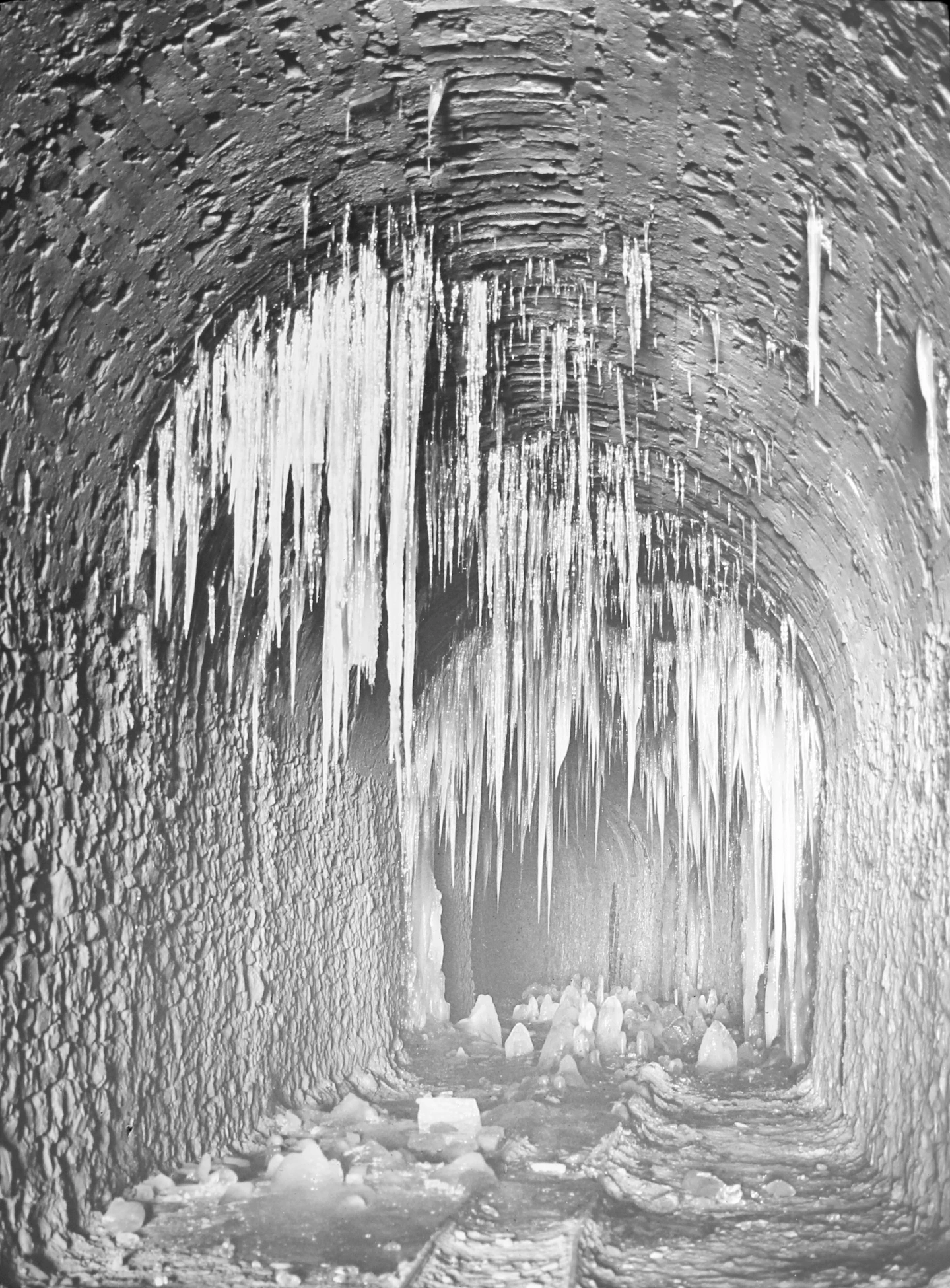
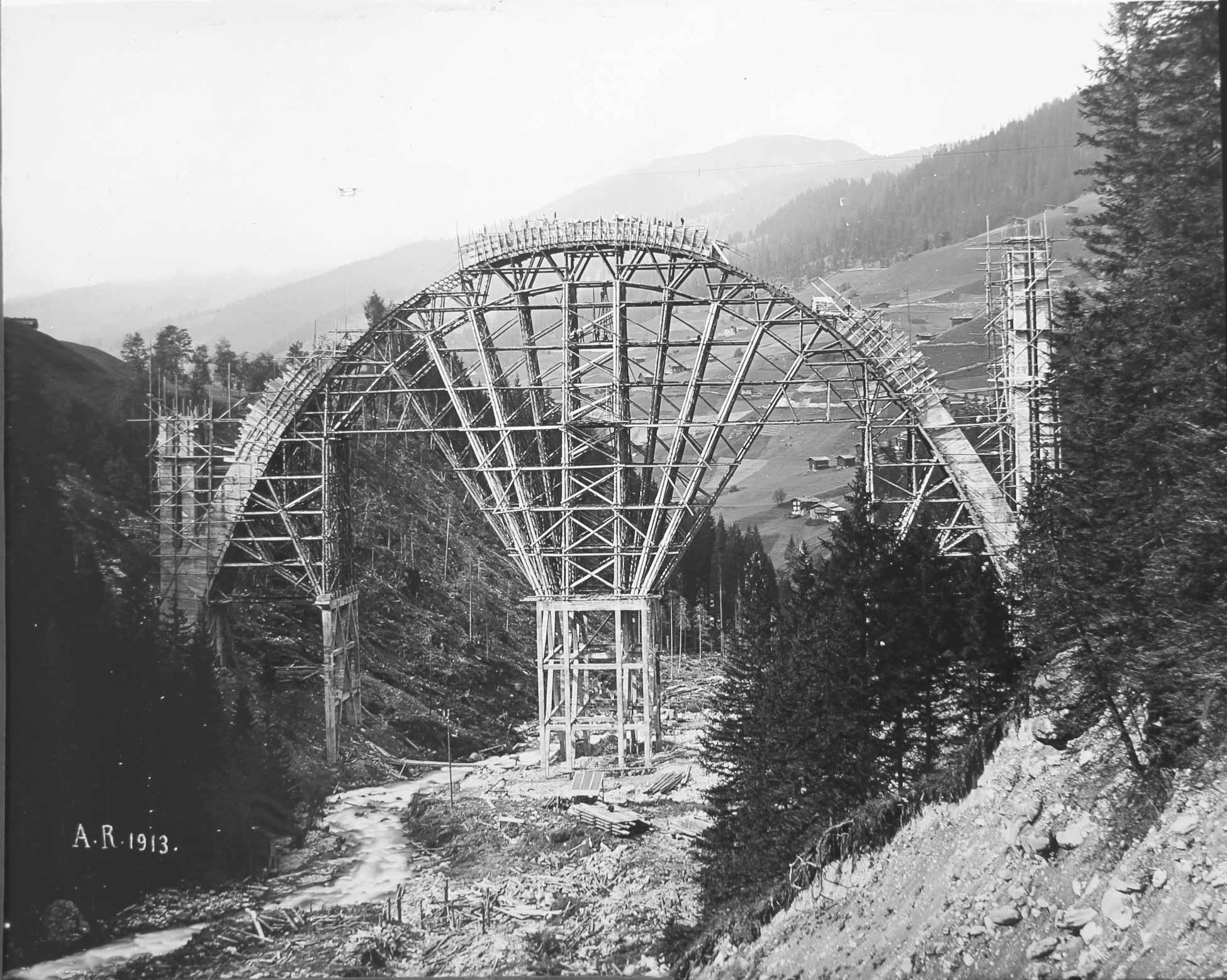
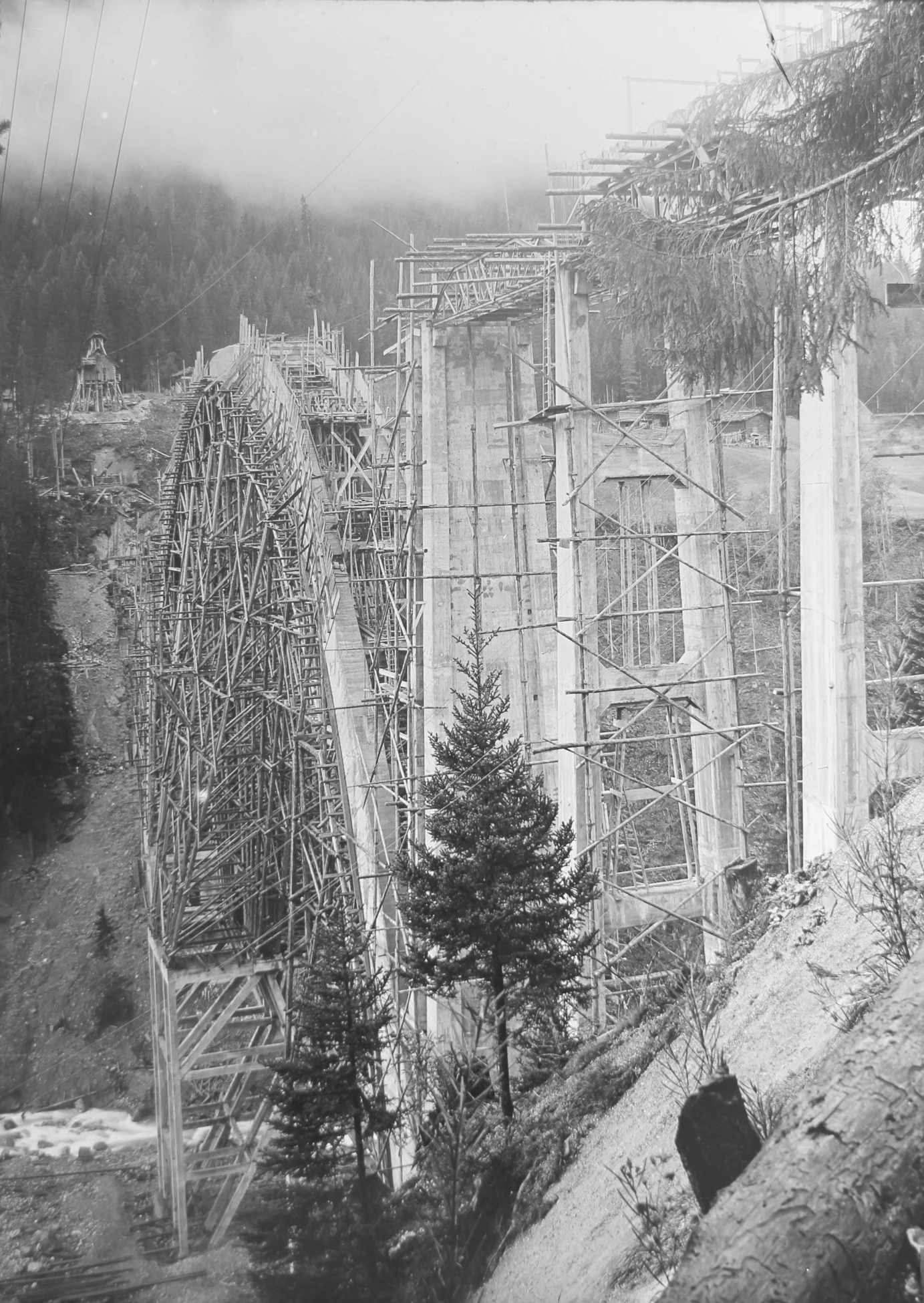
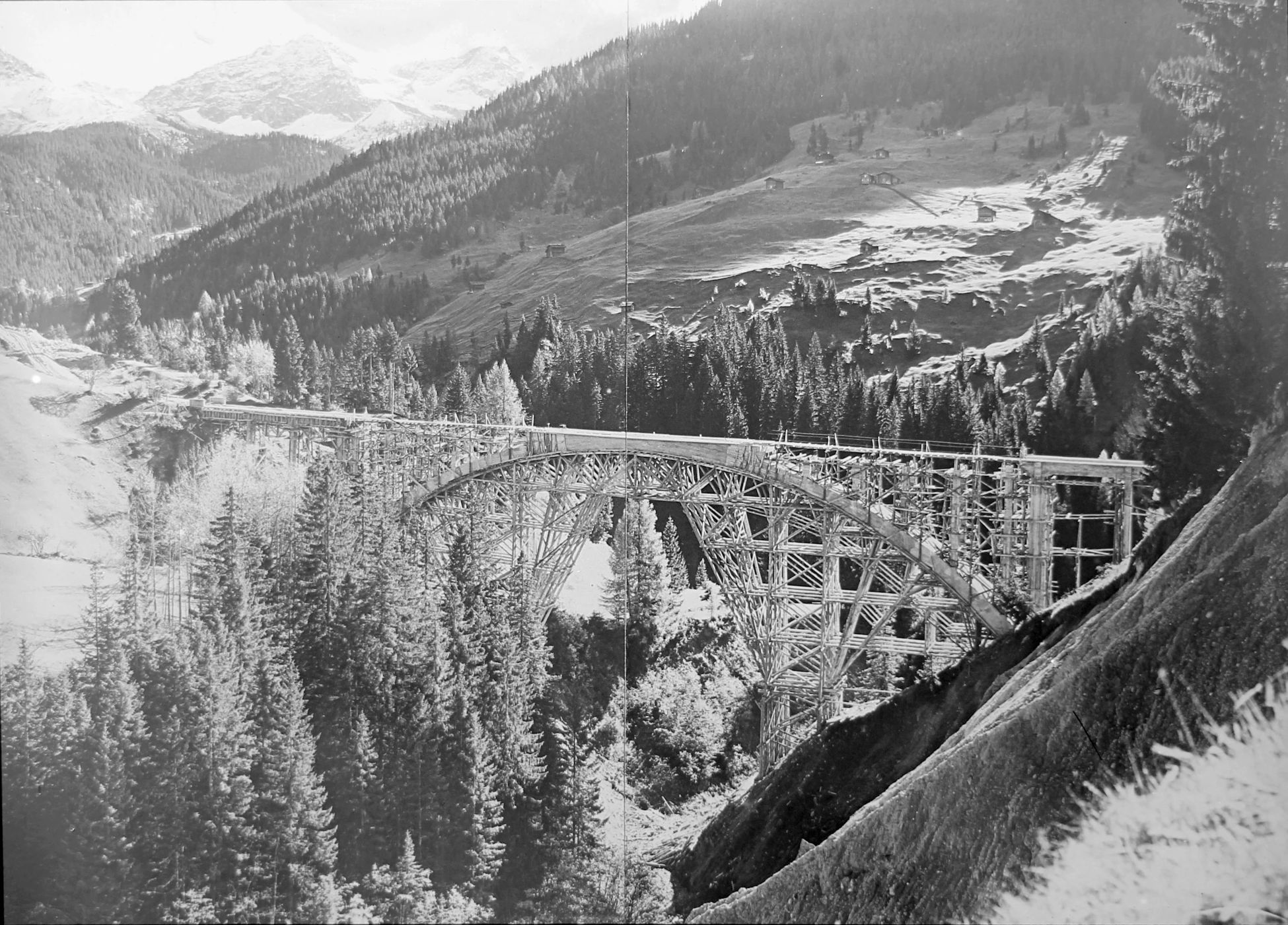
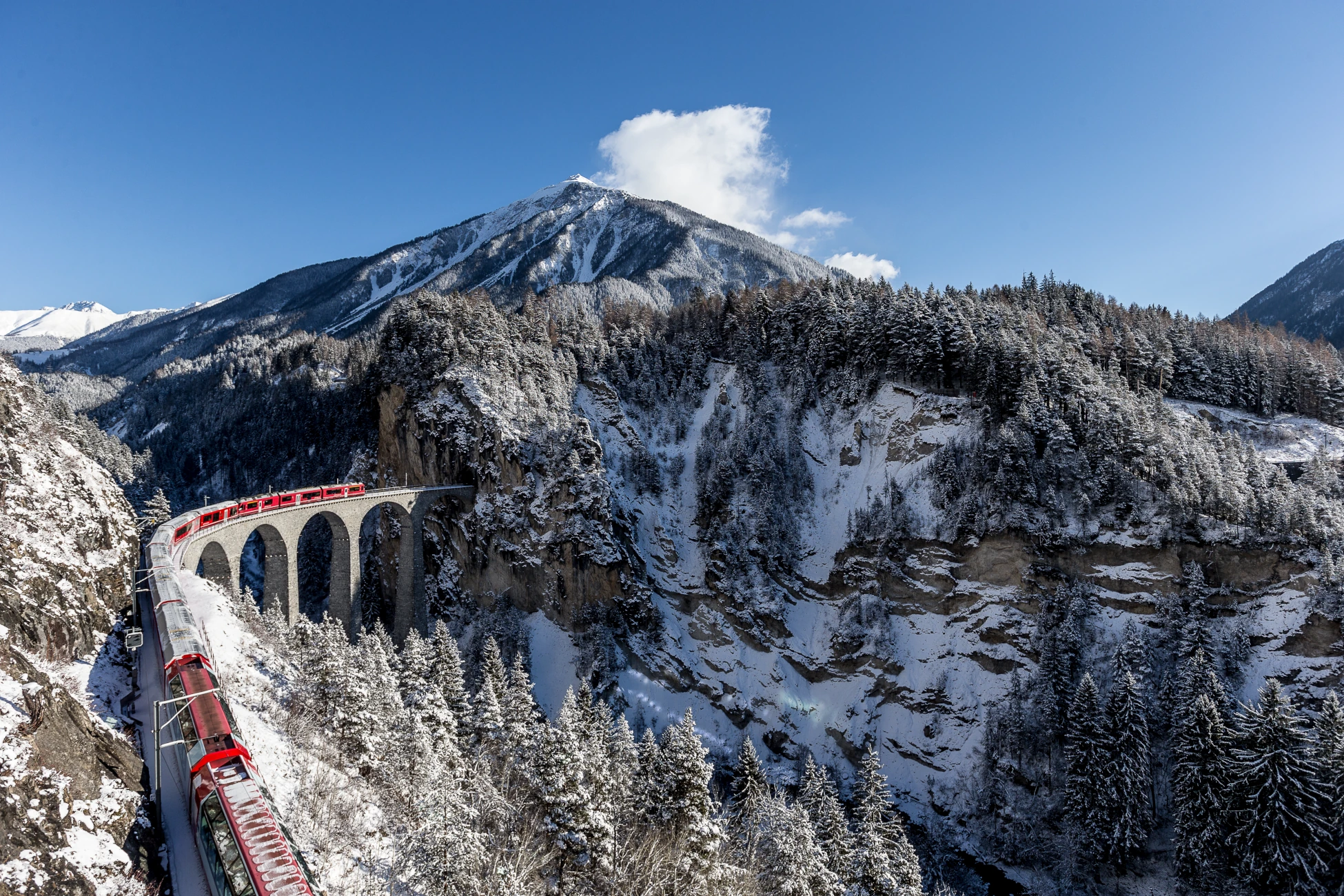
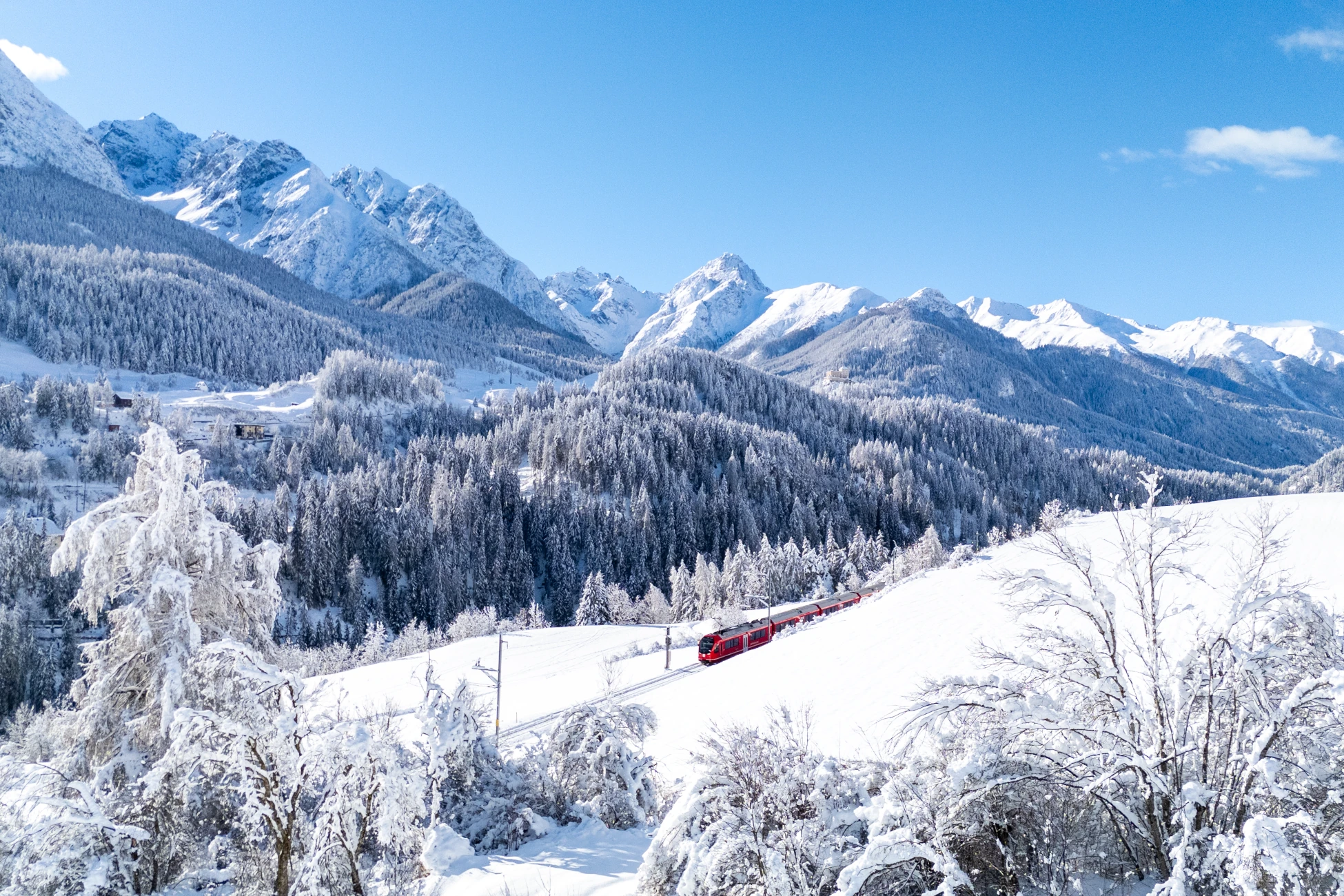
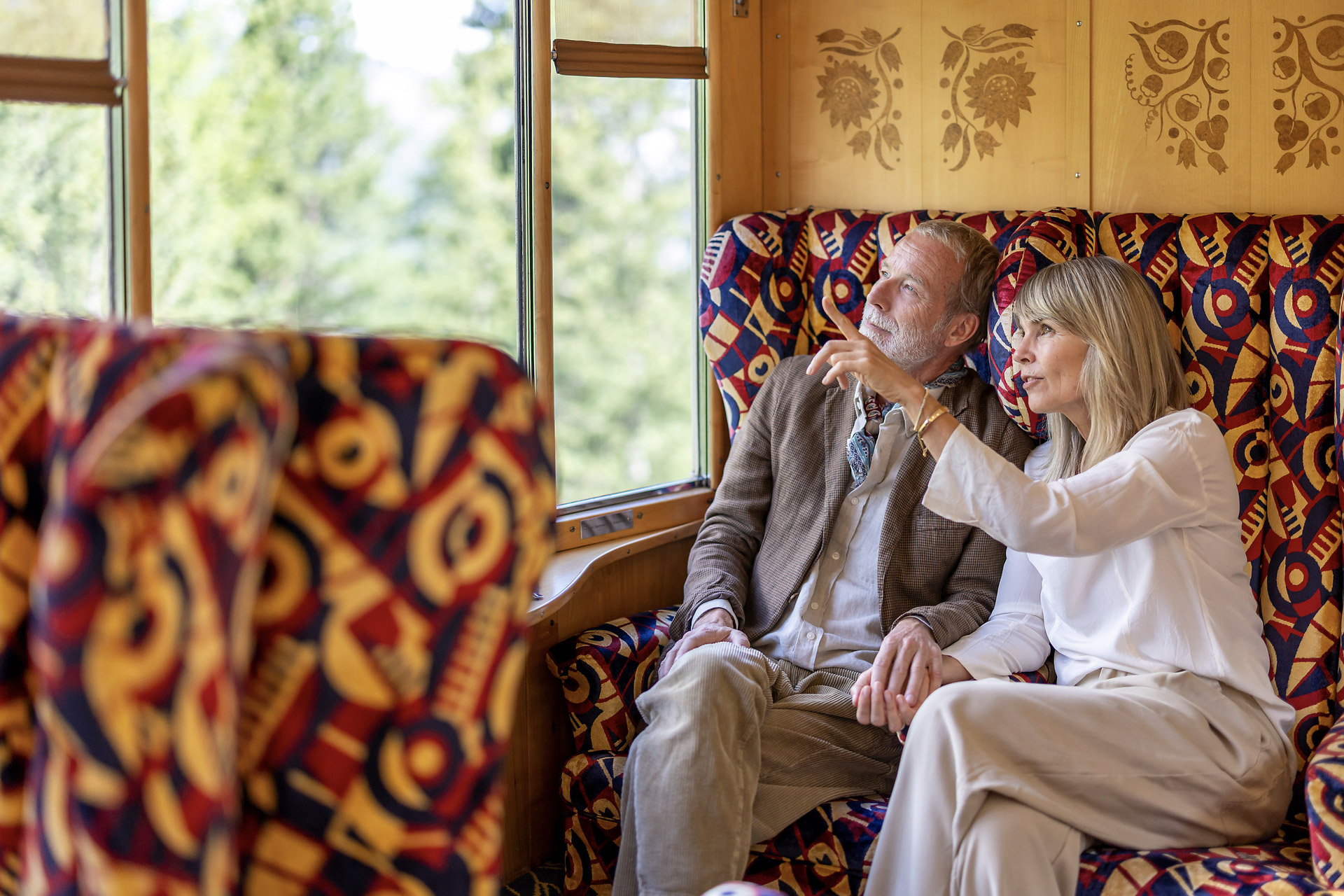
The Bernina Express, called by this name since 1973, has become a symbol of Alpine travel. Its large windows, reaching up to the roof, let you see mountain peaks, glaciers, and viaducts. The route goes from high mountains to the sunny valleys of southern Switzerland and Tirano, Italy. In 2026, the railway introduced the Bernina Express Pullman Class. This Art Deco-style car from the 1930s combines the charm of the past with modern comfort. With teak interiors, classic armchairs, bay windows, and personal service, it offers an intimate trip for just 32 people. The highlight is a wine-paired lunch at the La Gatta vineyard in Valtellina.
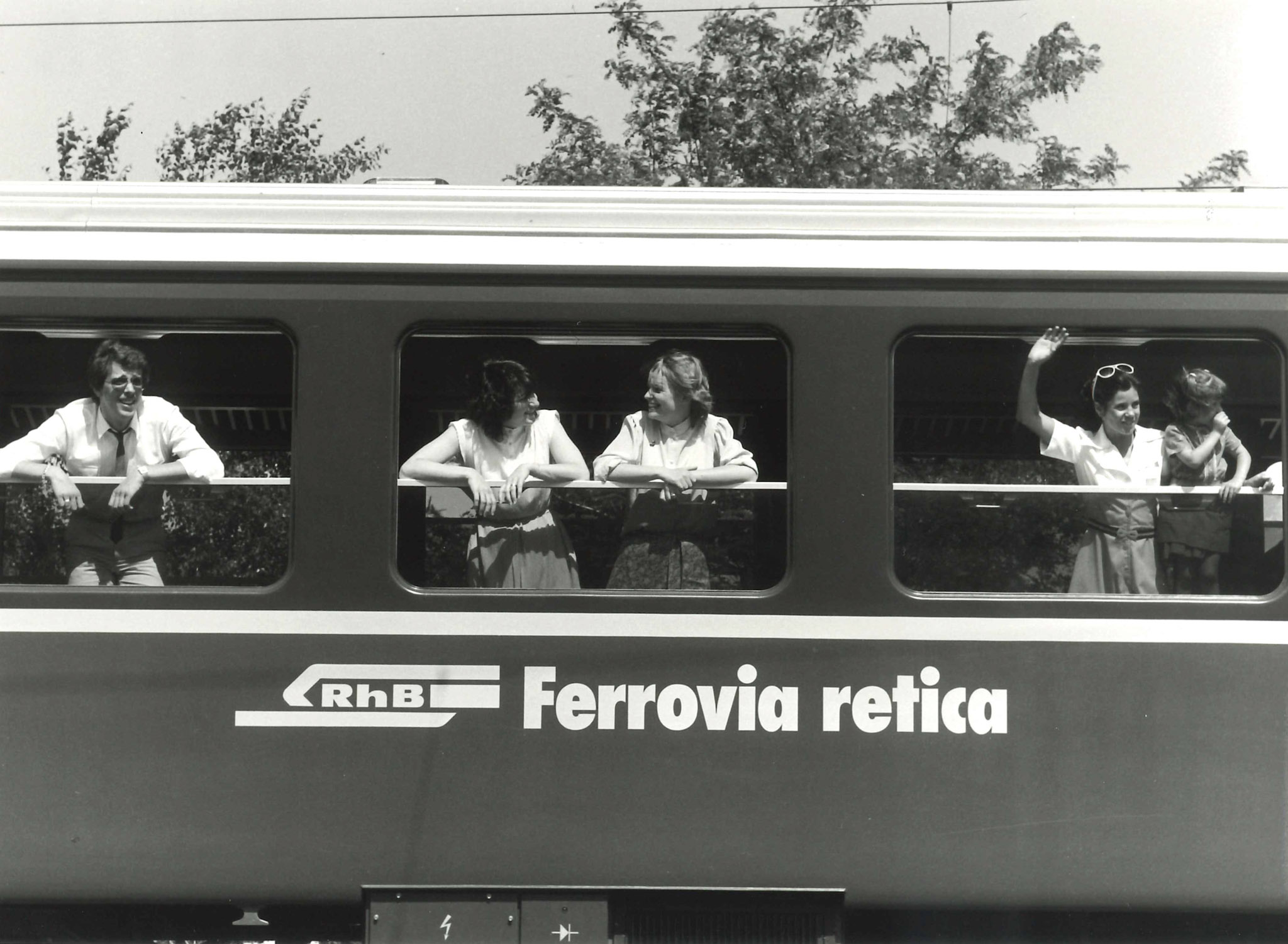
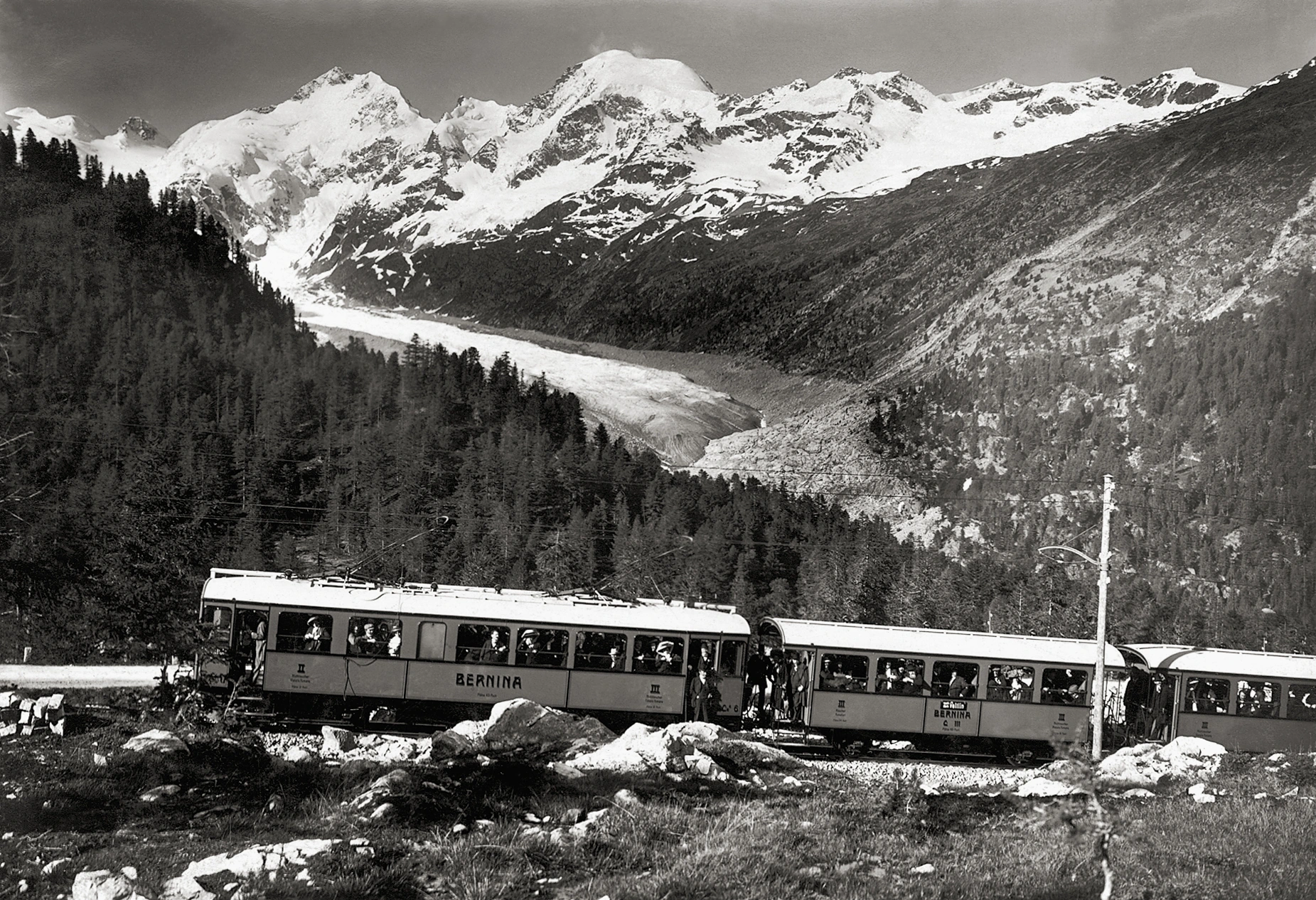
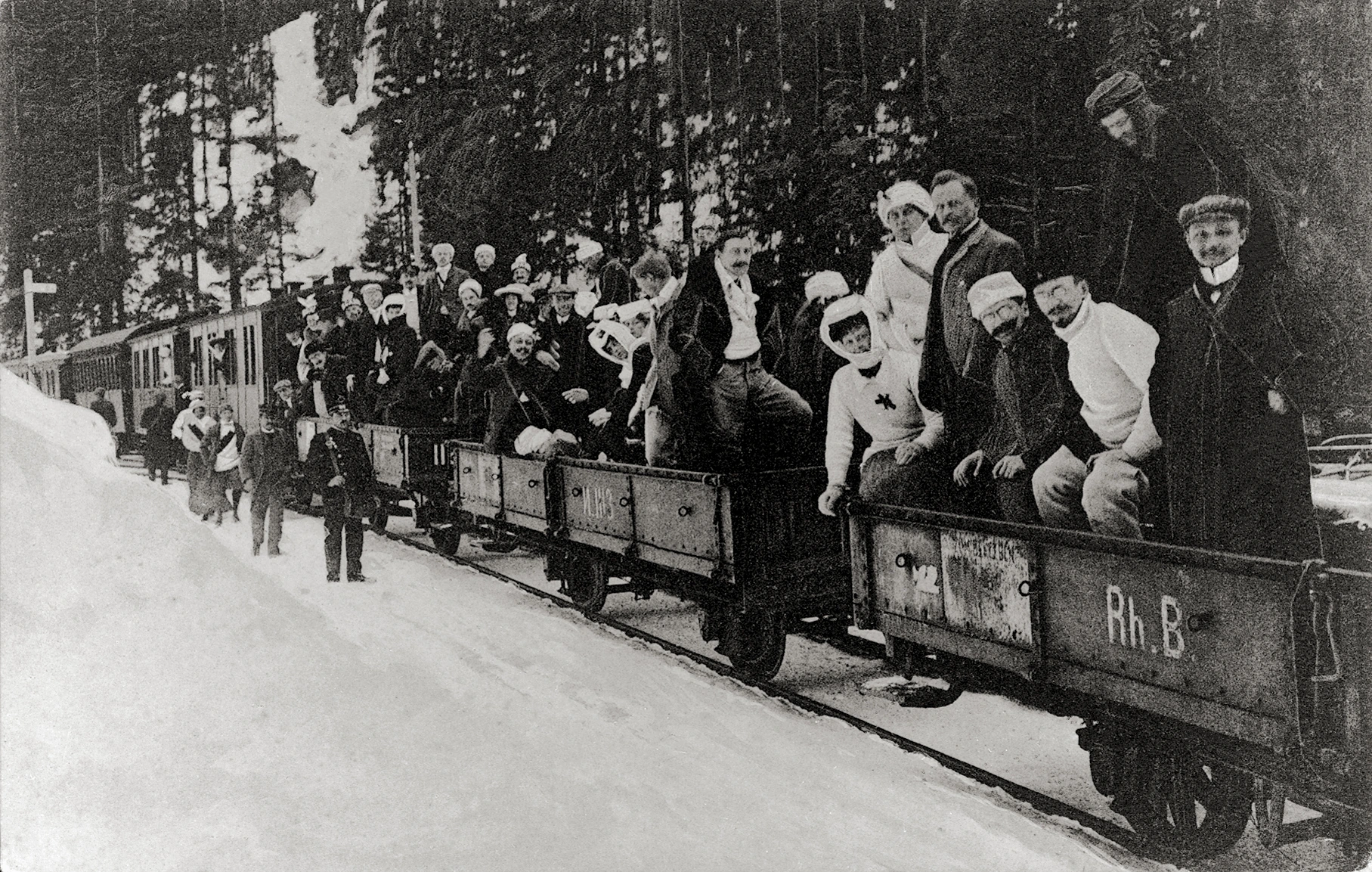
The RhB’s collection of historic locomotives is also fascinating, especially the Bernina Crocodile, a unique 1928 locomotive. After retirement, it was sold to France and slowly fell into disrepair. In 1999, Club 1889 helped bring it back to Switzerland. Nearly ten years of restoration and over 9,000 hours of volunteer work brought the locomotive back to life. Since 2010, it has been running on the Bernina Line again. This is not just a restored piece of history, but a living part of railway heritage for future generations.
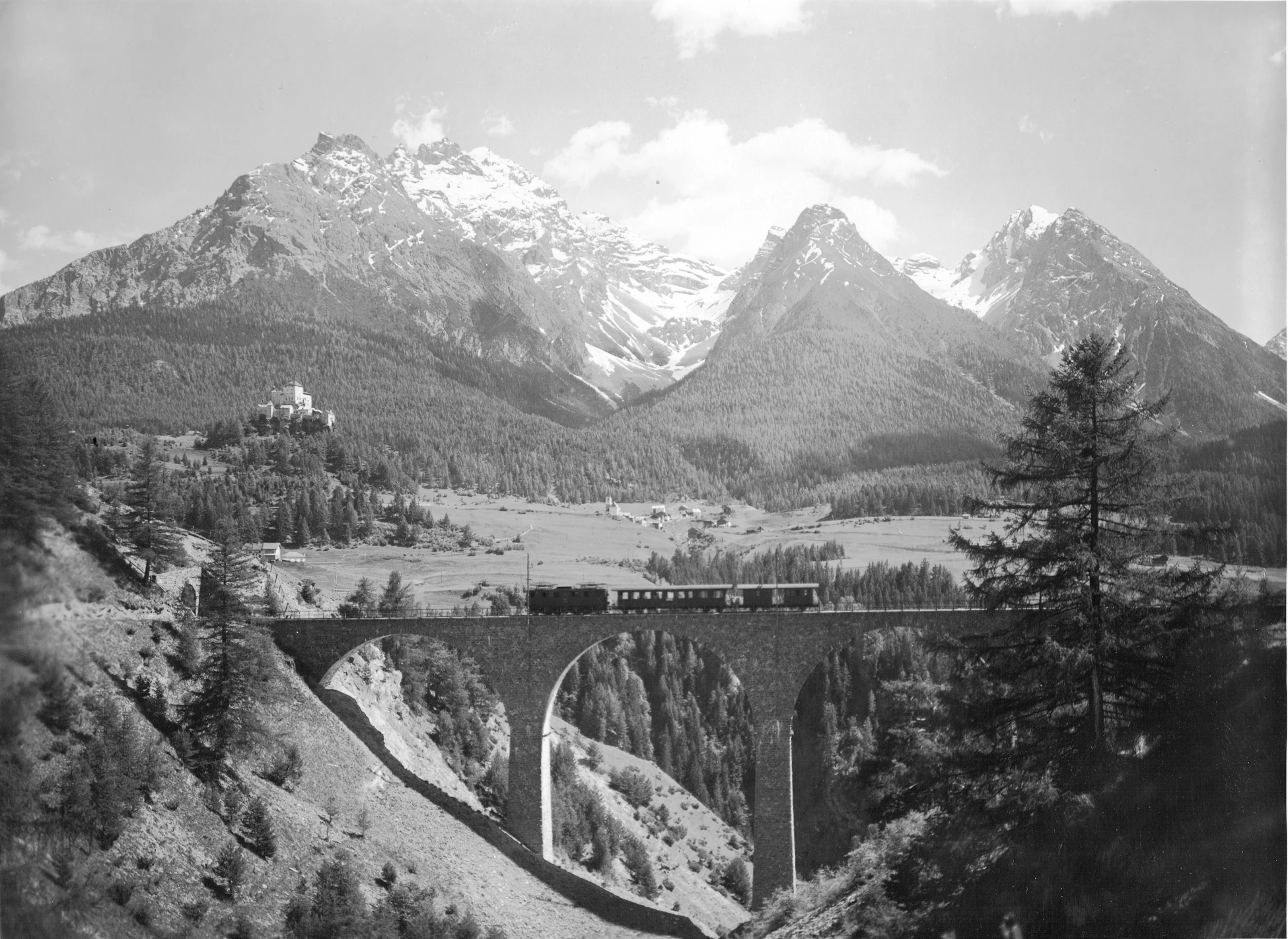
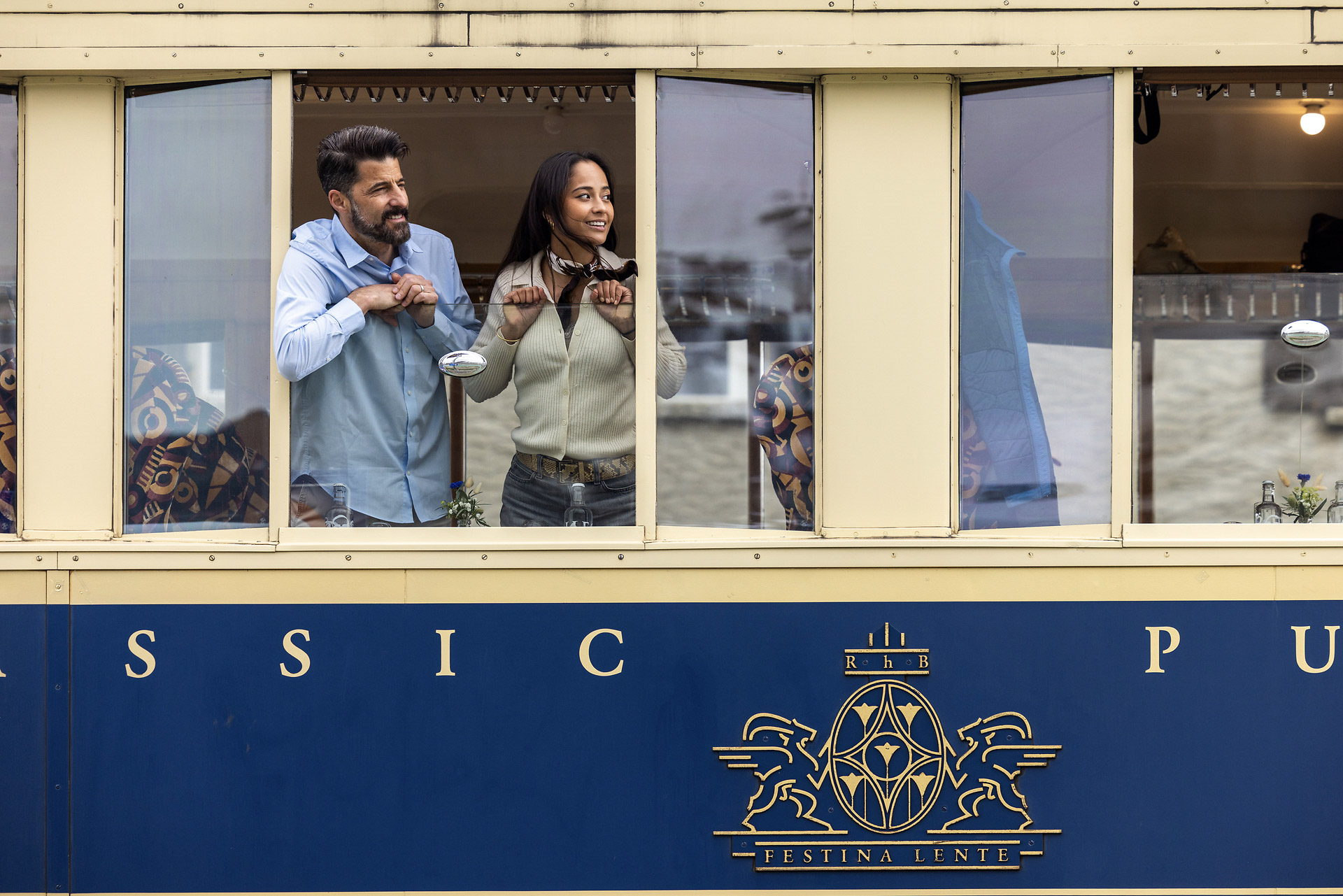
Today, the Rhaetian Railway still blends history with modern travel. It offers not only beautiful routes, but also food experiences in historic railcars, especially the Gourmino, where local dishes and wines are part of the journey. Together, these experiences make the RhB unique and let travelers rediscover the classic culture of rail travel.
Venice Simplon-Orient-Express – The Art of Timeless Travel
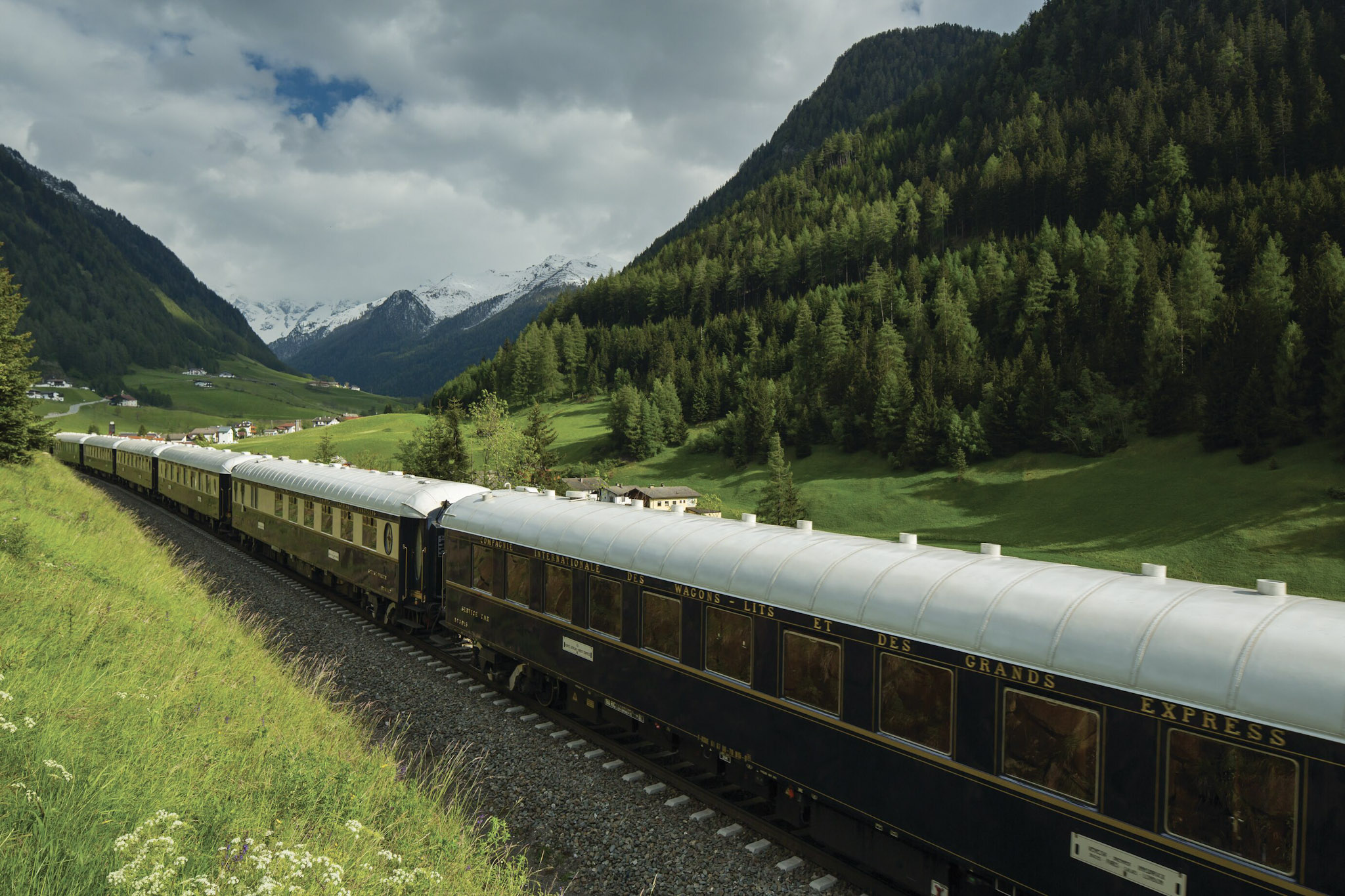
The Venice Simplon-Orient-Express by Belmond is an Art Deco icon that brings back the romance of Europe’s golden age of train travel. As it travels across the continent through beautiful landscapes and cities, this famous train combines historic carriages, fine craftsmanship, great food, and an atmosphere where the journey is as important as the destination.
The experience begins when guests arrive at the platform, where conductors and porters welcome them into a world of classic style. The restored sleeping cabins, suites, and Grand Suites show the elegance of the 1920s, each with its own style of life on the rails. Historic Cabins turn from seats during the day into beds at night. Suites have private marble bathrooms, mosaic floors, and lounge areas. Grand Suites offer even more, with private dining, marble bathrooms, unlimited champagne, and a 24-hour butler.
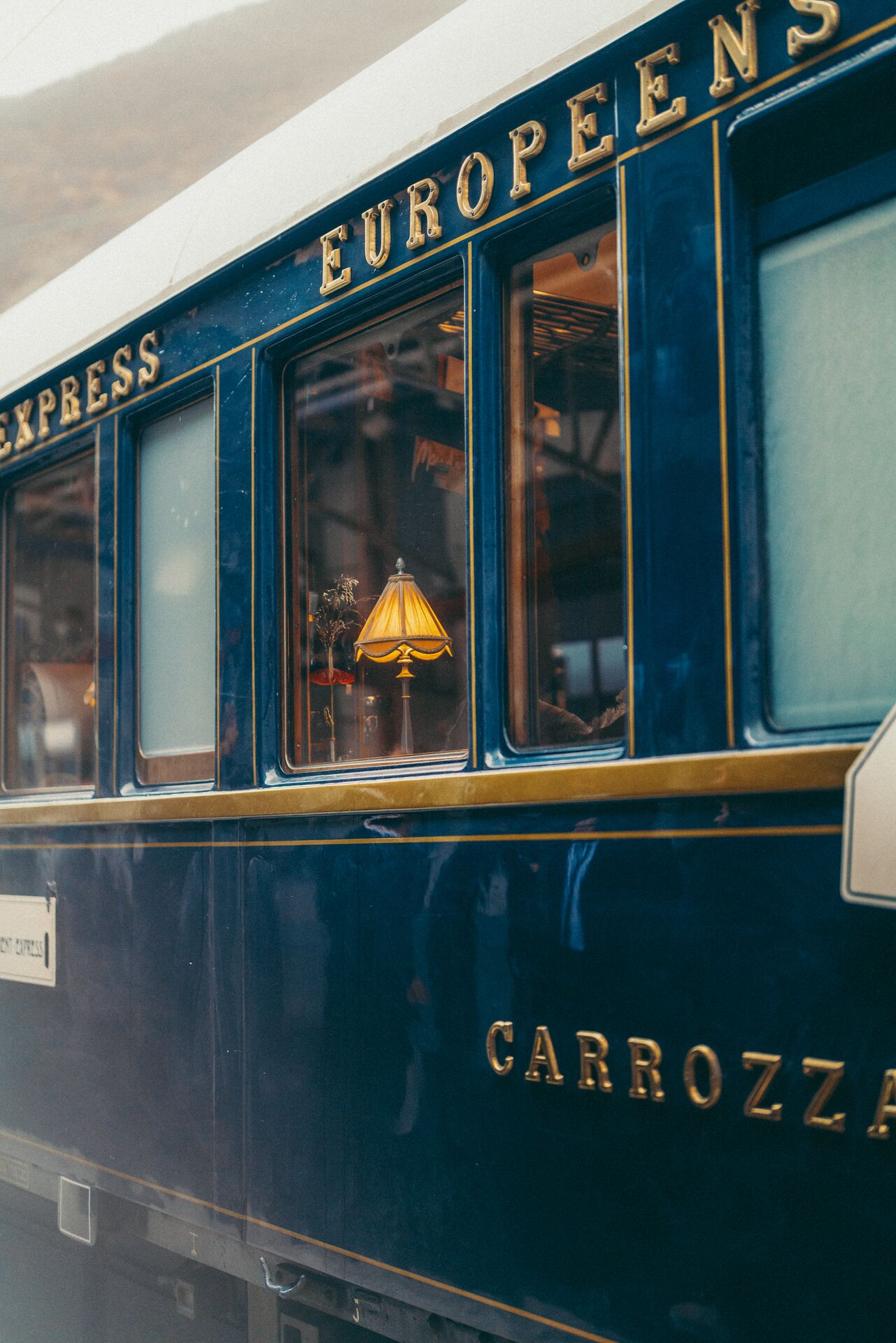
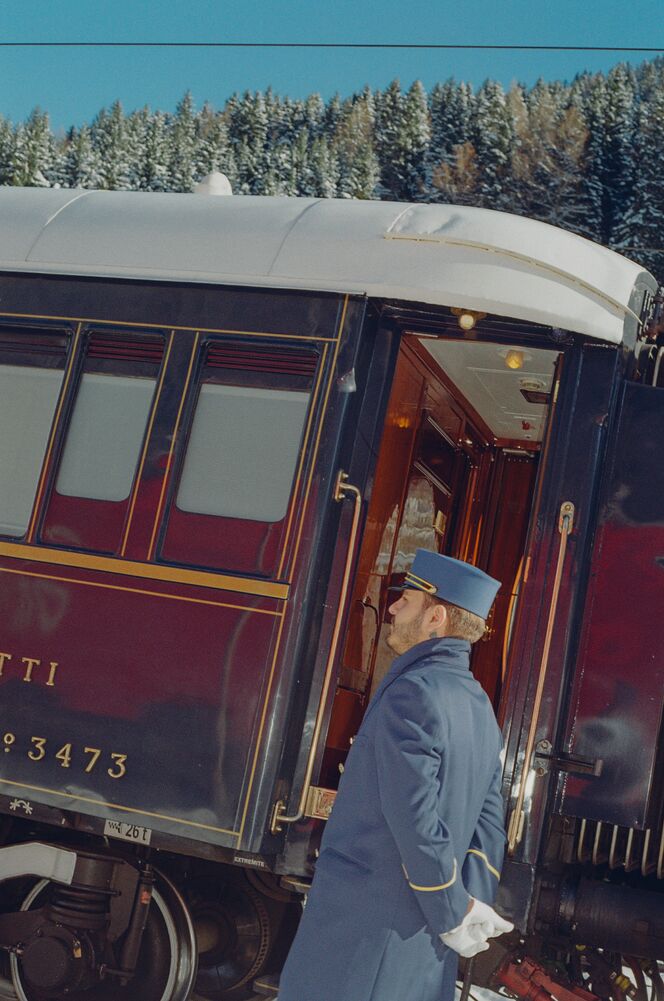
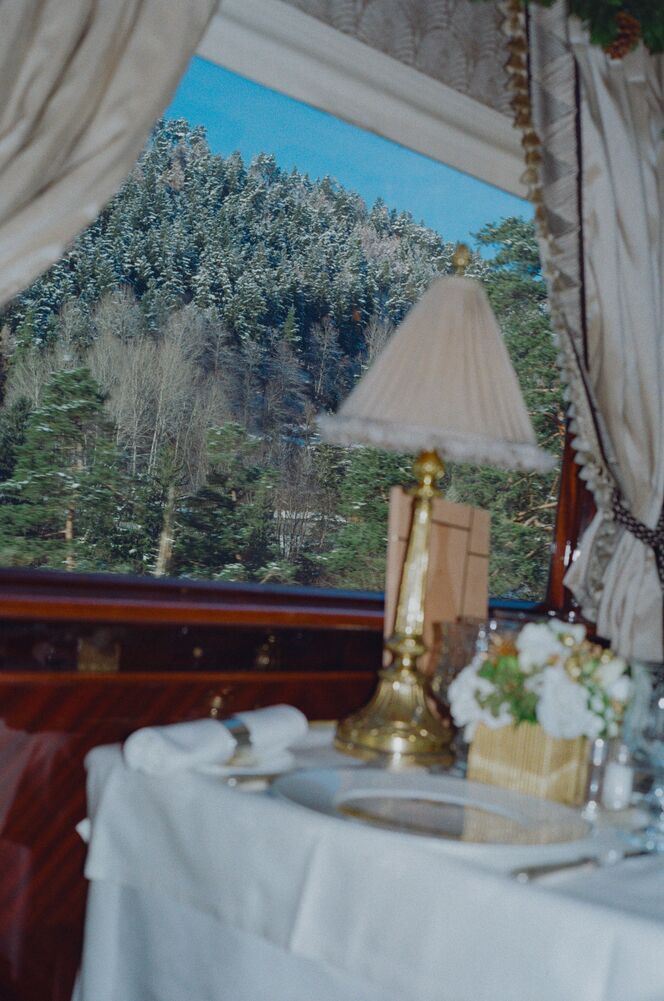
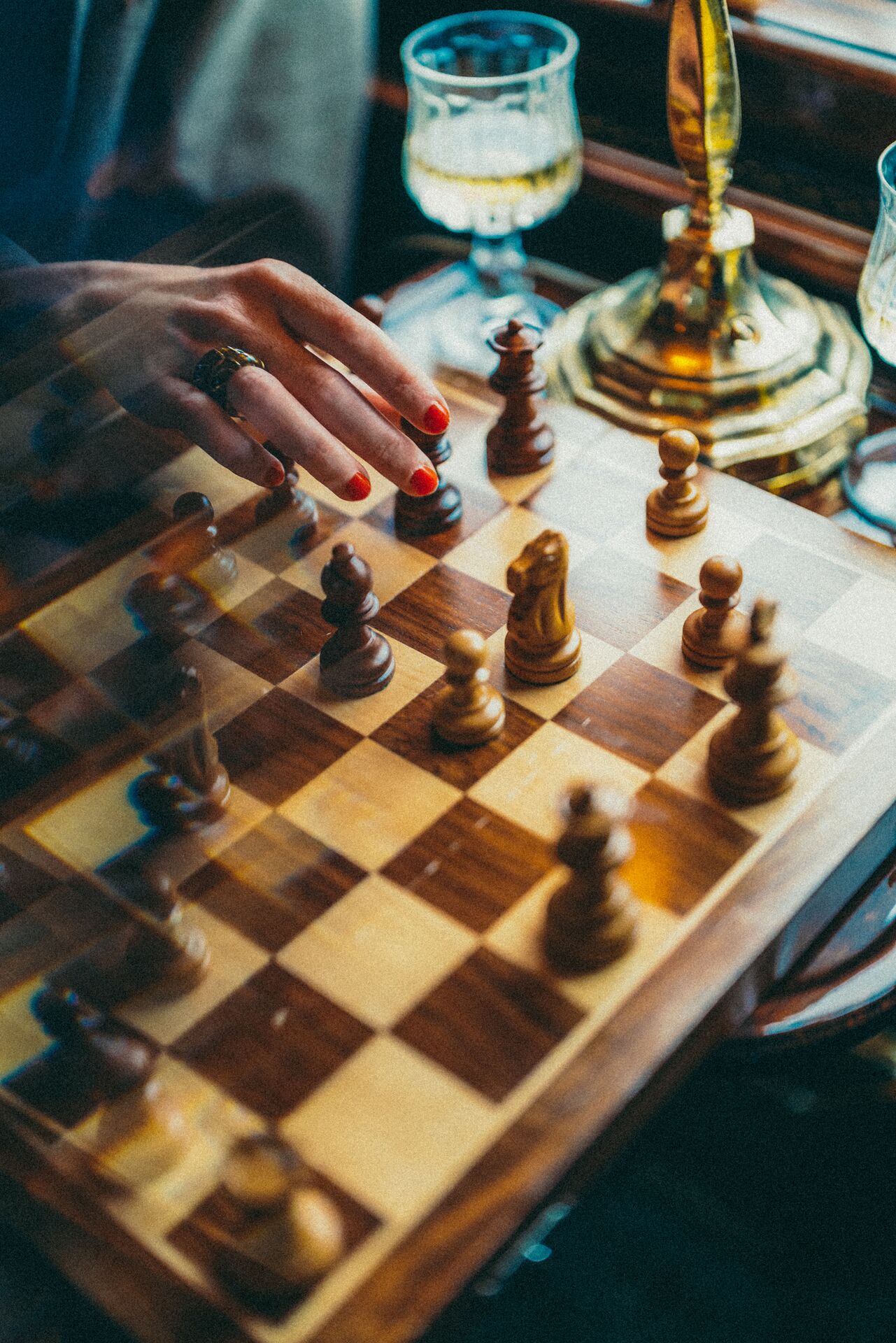
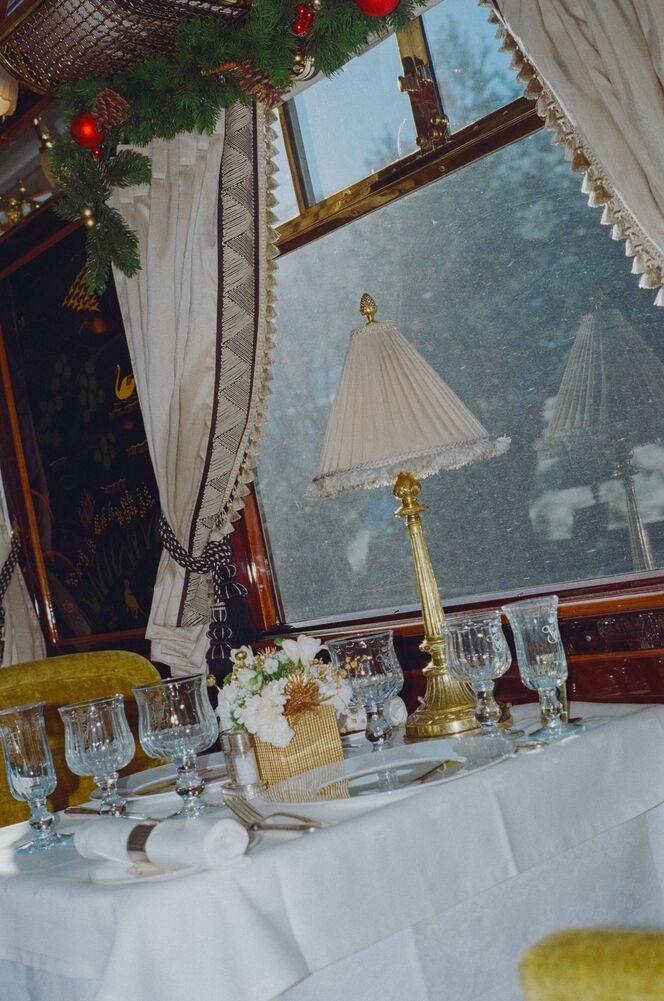
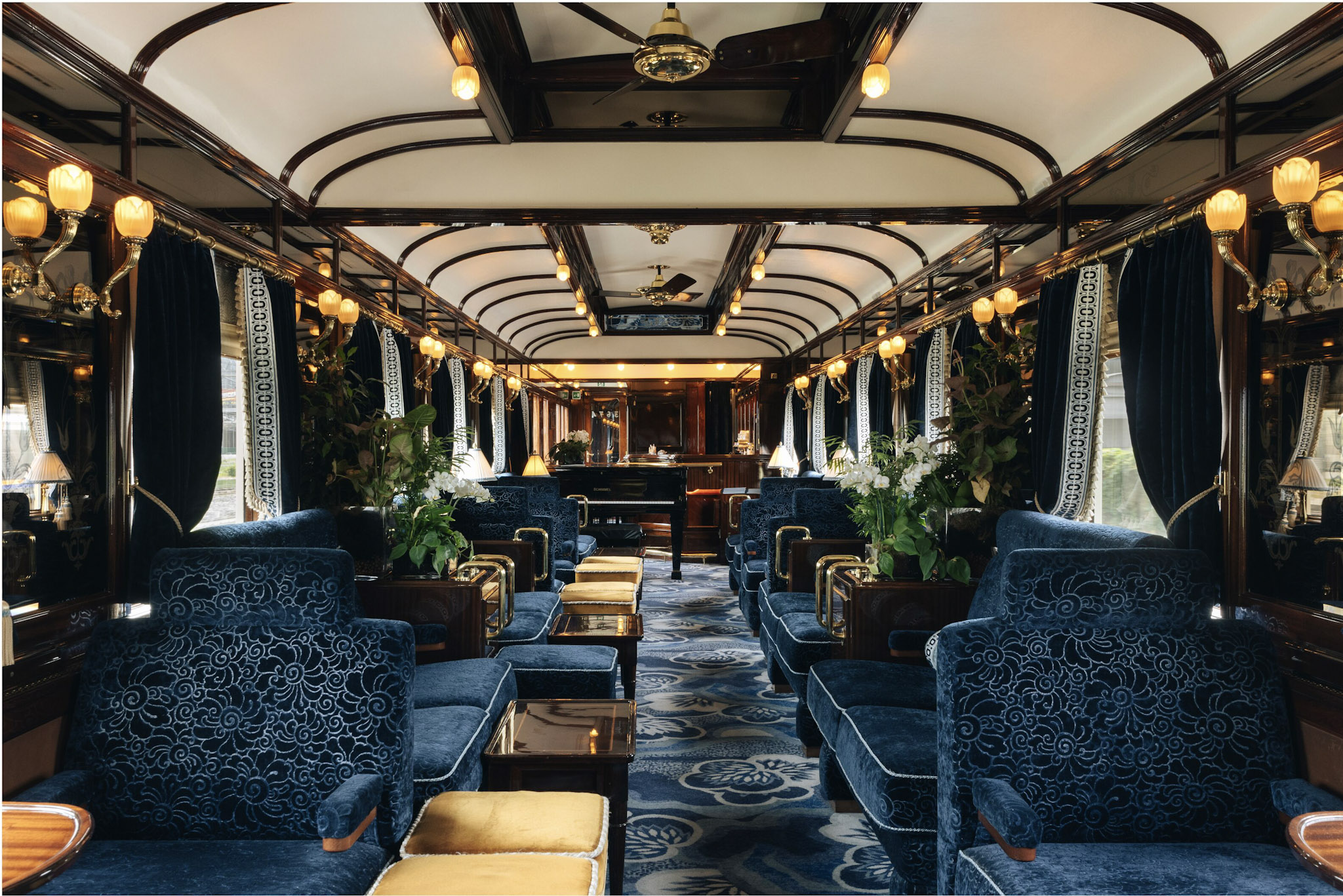
Life on board follows traditions, from seasonal menus by chef Jean Imbert and special wine pairings to late-night gatherings in Bar Car 3674, the train’s social center. With a pianist playing, guests enjoy cocktails, good conversation, and a midnight brunch with treats like lobster rolls and truffle sandwiches. By morning, coffee and pastries are served in the cabin as Europe’s scenery passes by outside.
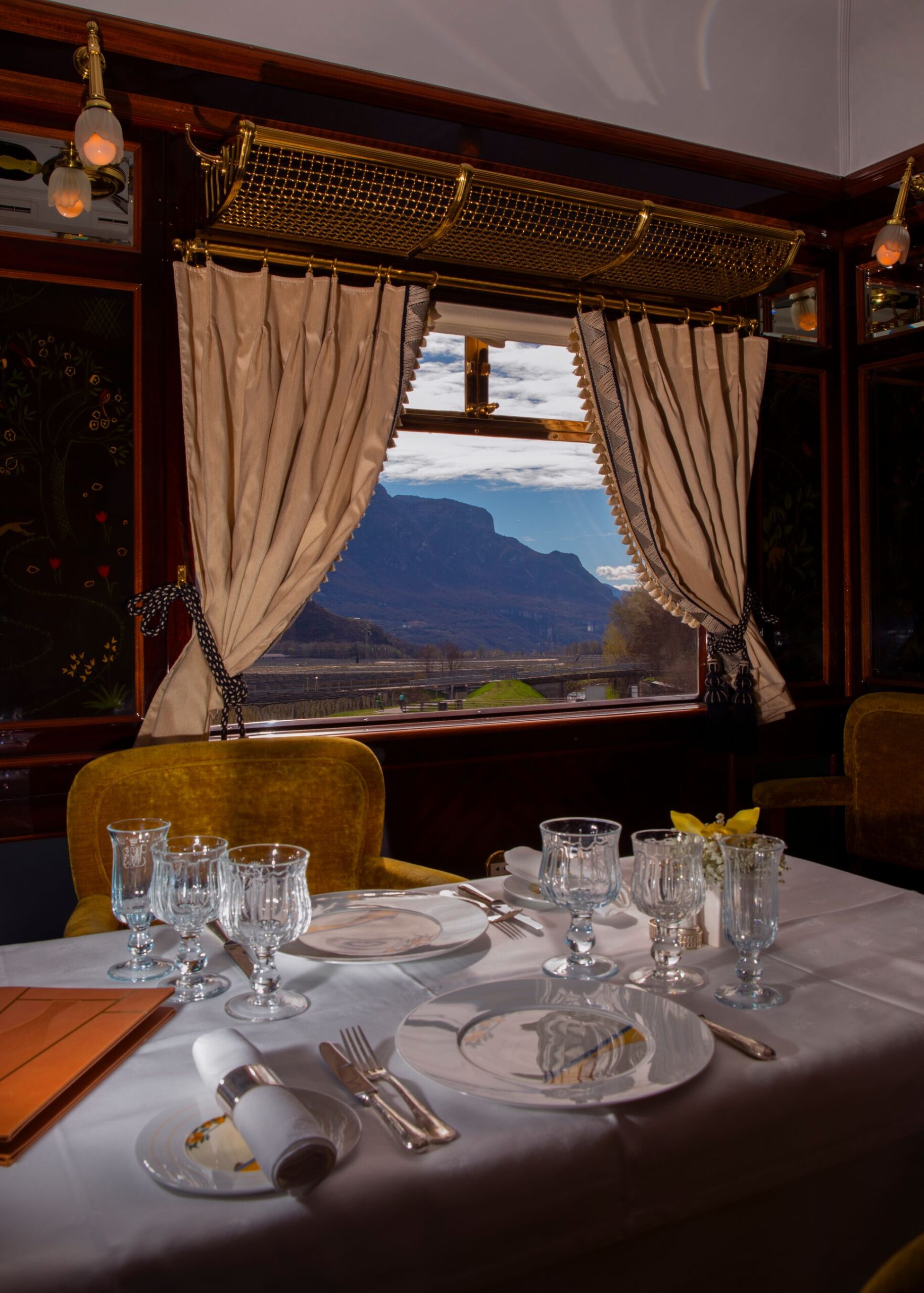
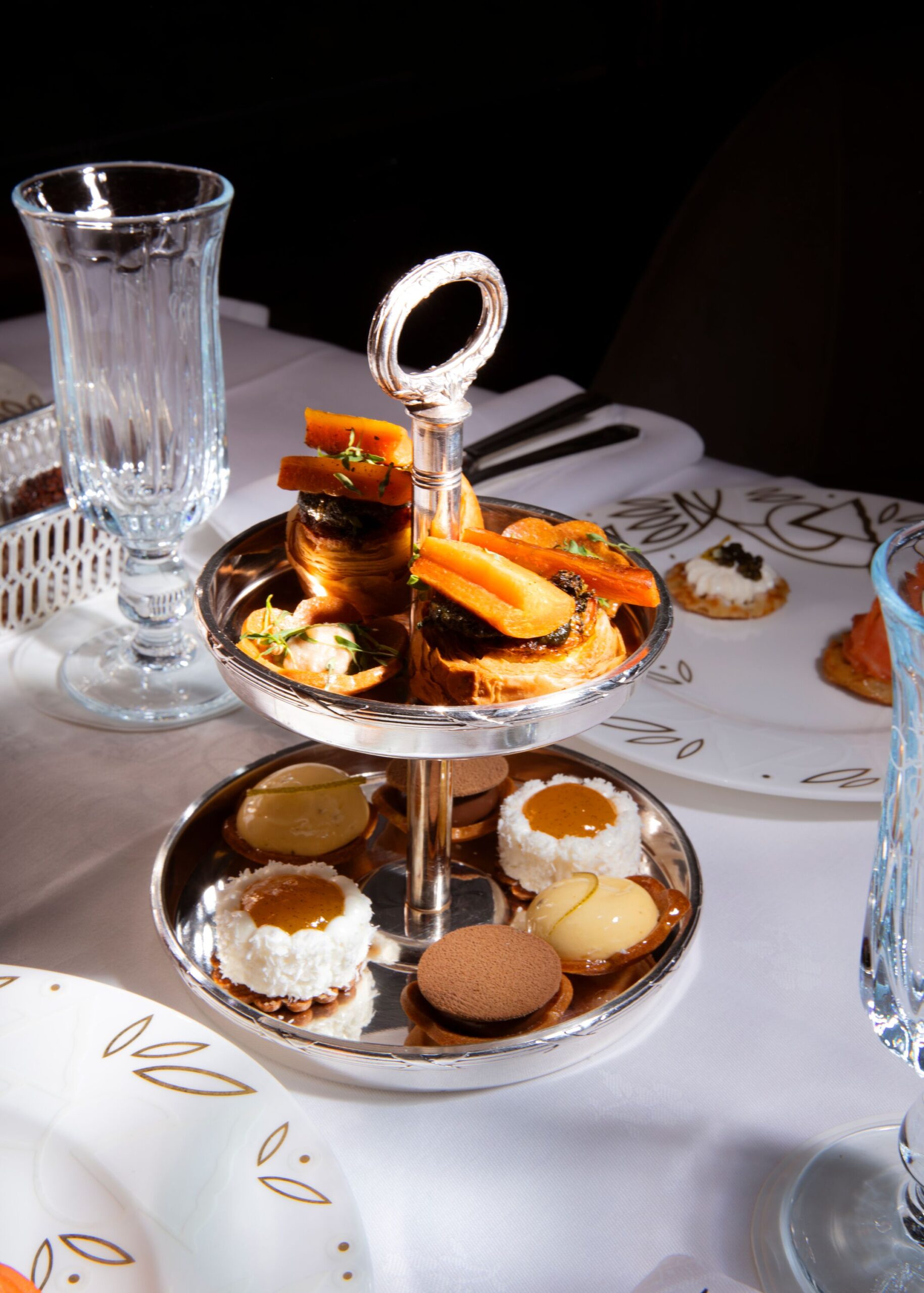
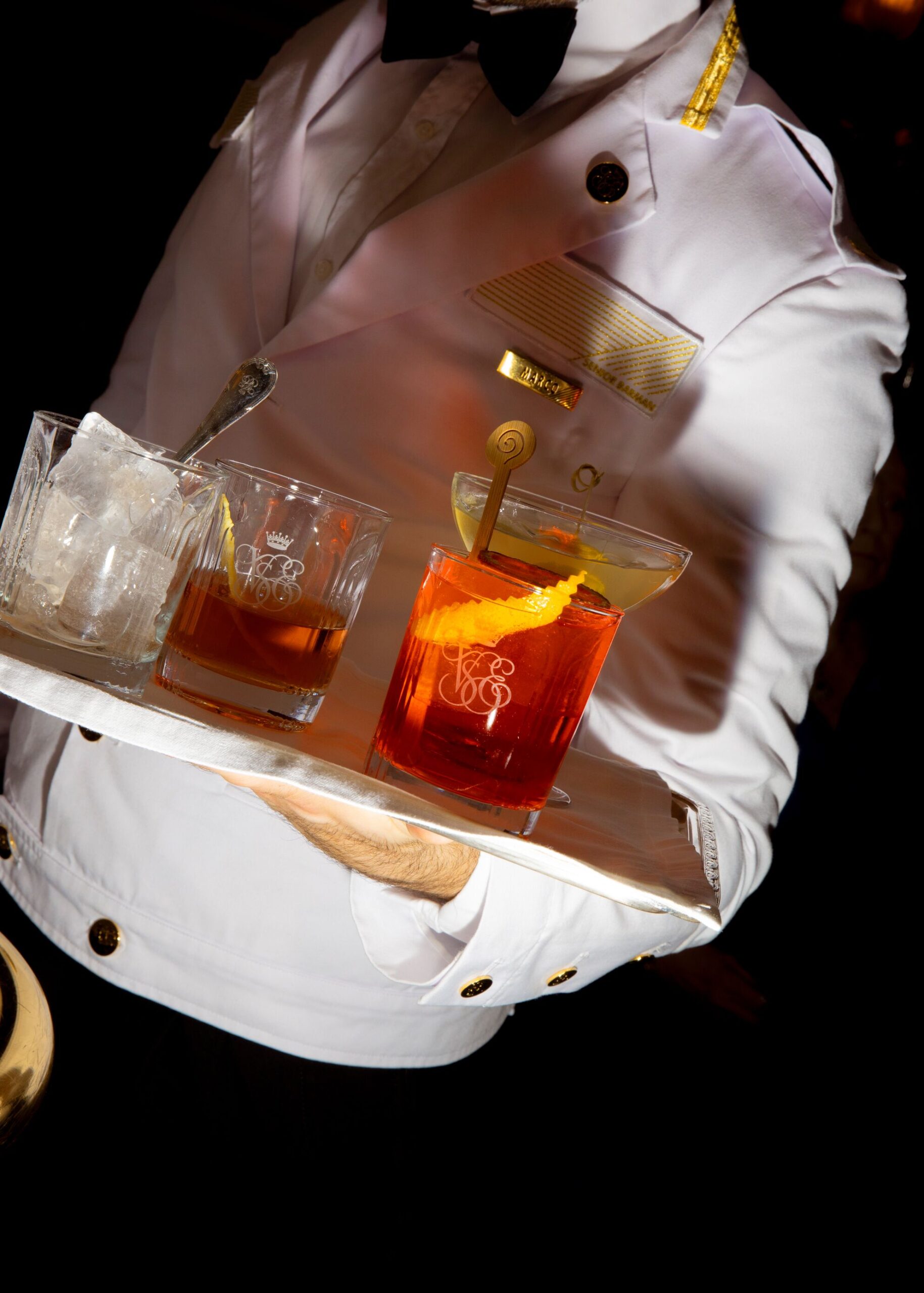
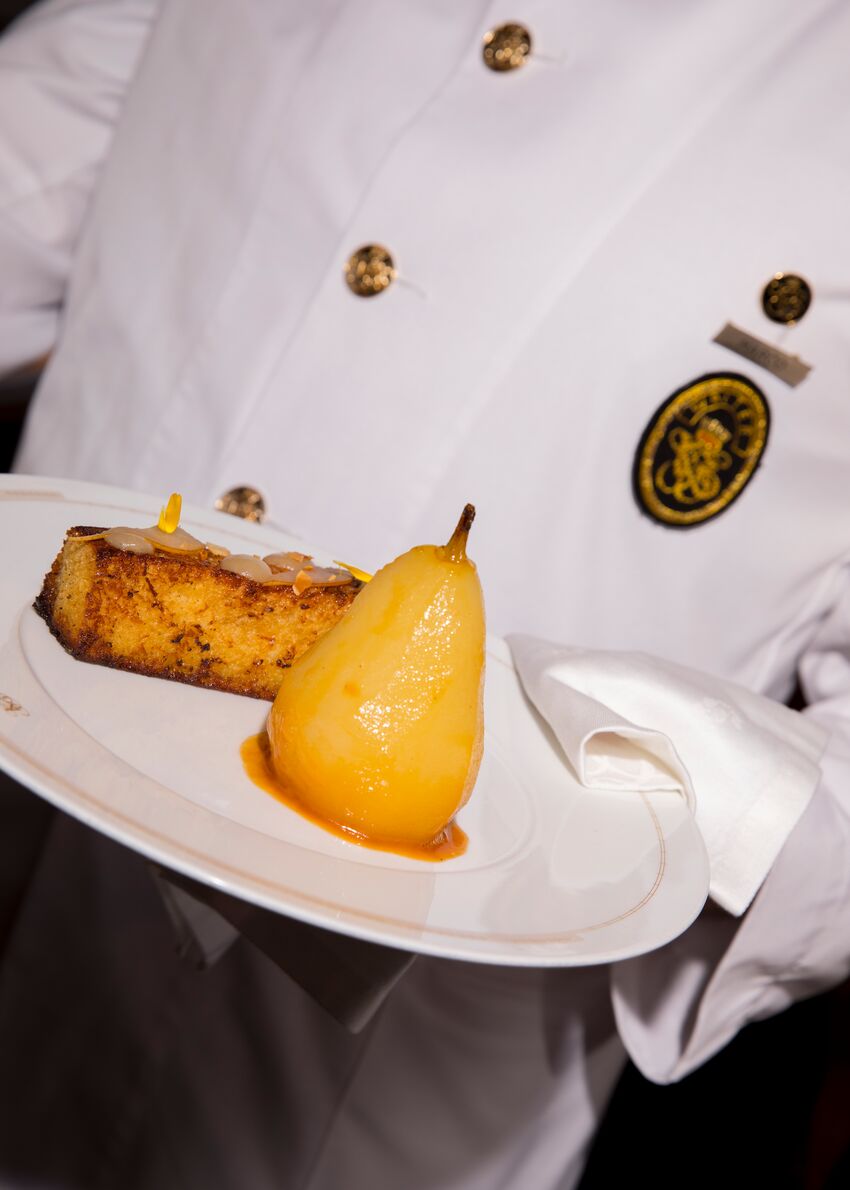
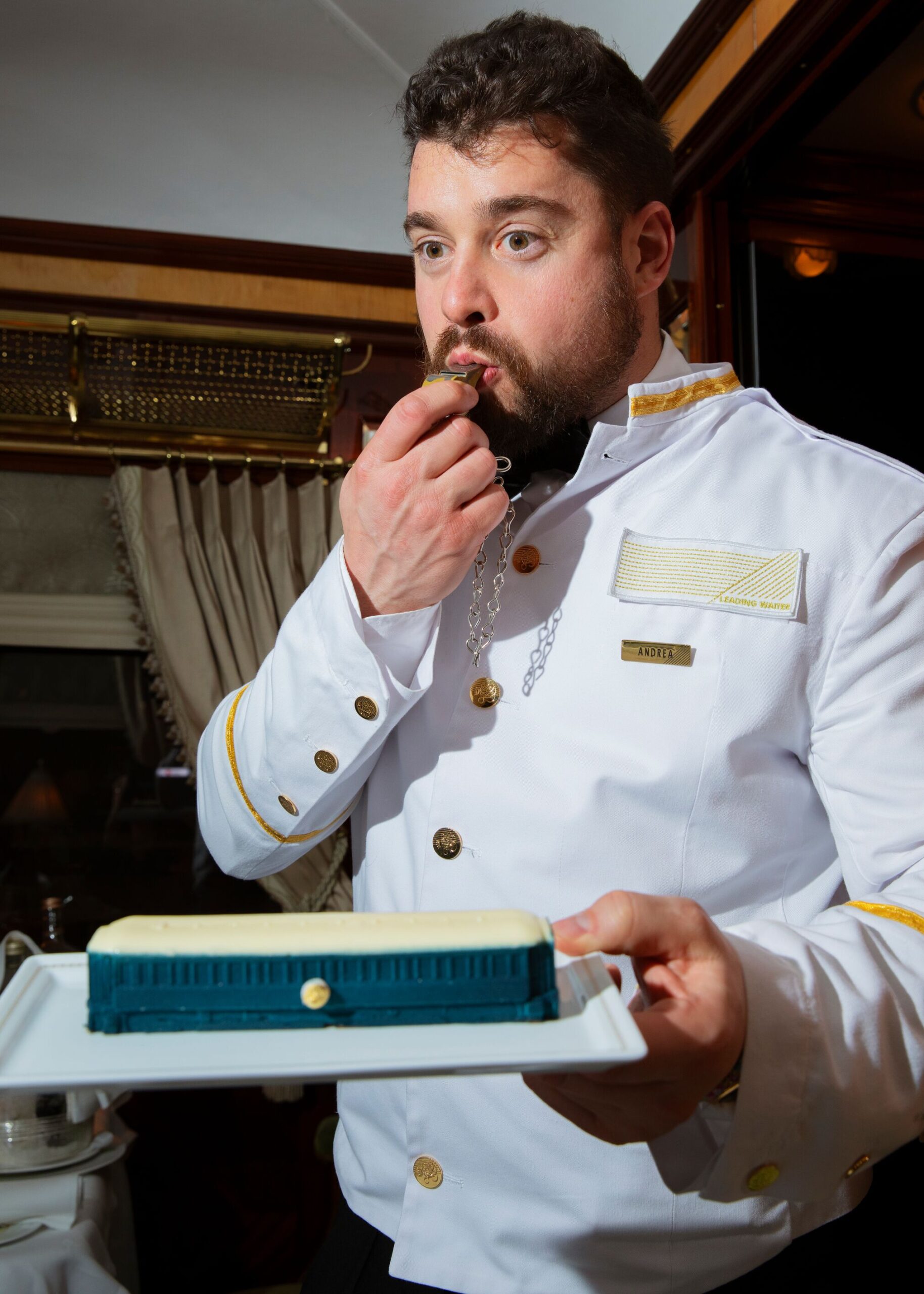
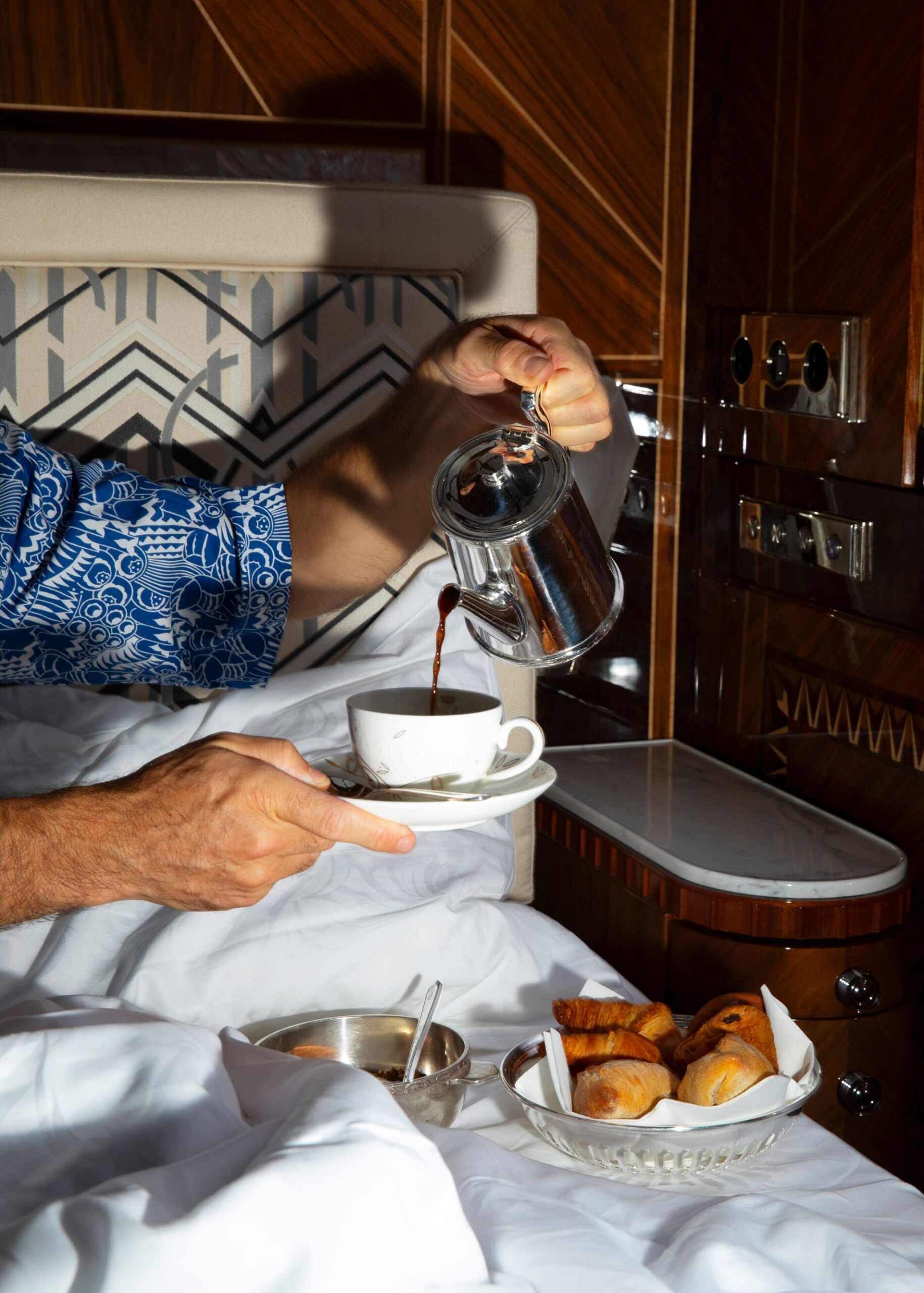
The train’s unique atmosphere also comes from its historic dining cars, each with its own story. The Étoile du Nord from 1926 is known for its detailed marquetry, while the Côte d’Azur from 1929 stands out for its René Lalique glass. The L’Oriental, built in Birmingham in 1927, was restored with black lacquer panels that highlight its legendary status. Along with Bar Car 3674, these cars keep the artistry, craftsmanship, and friendly spirit of classic train travel alive.
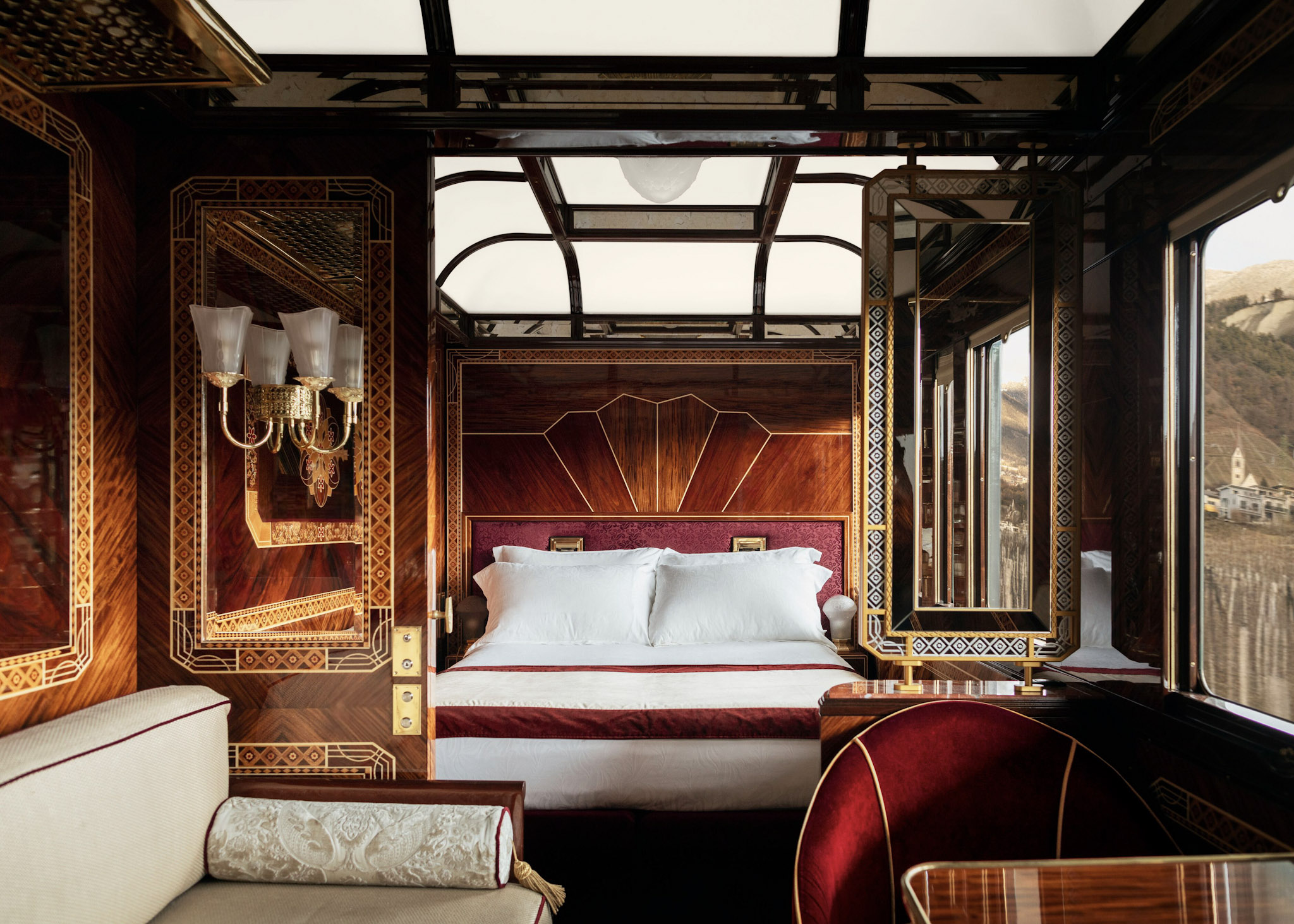
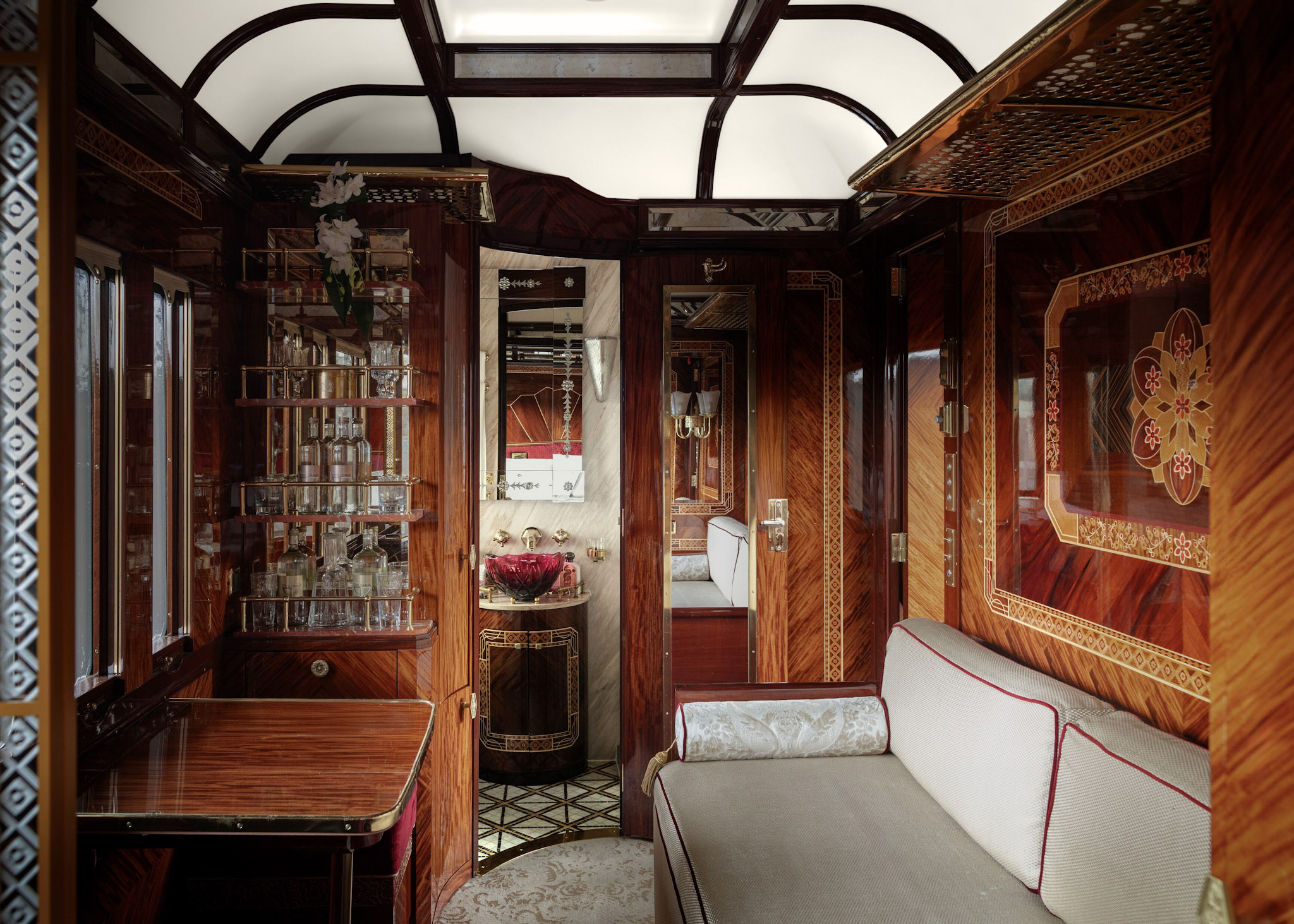
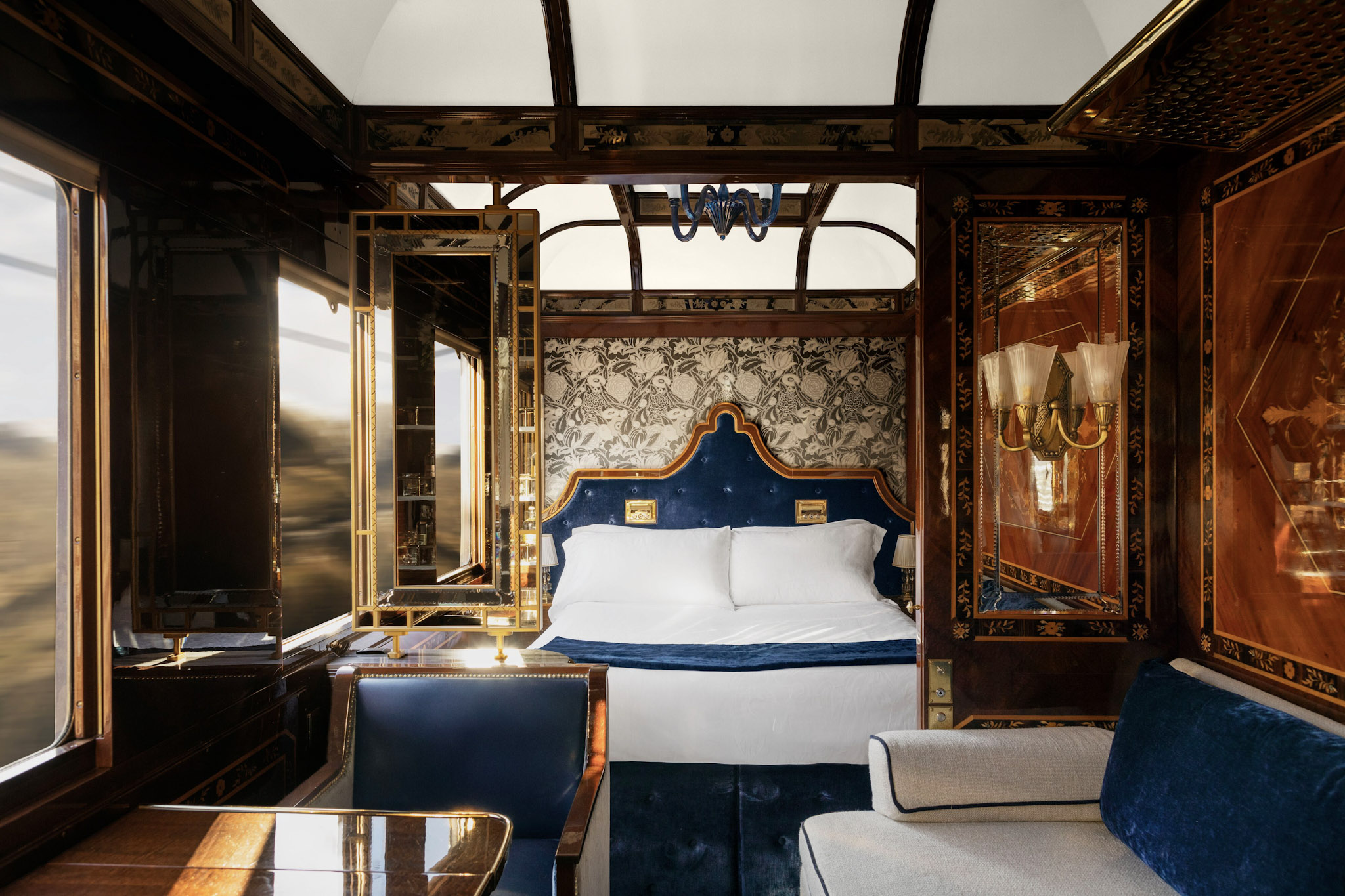
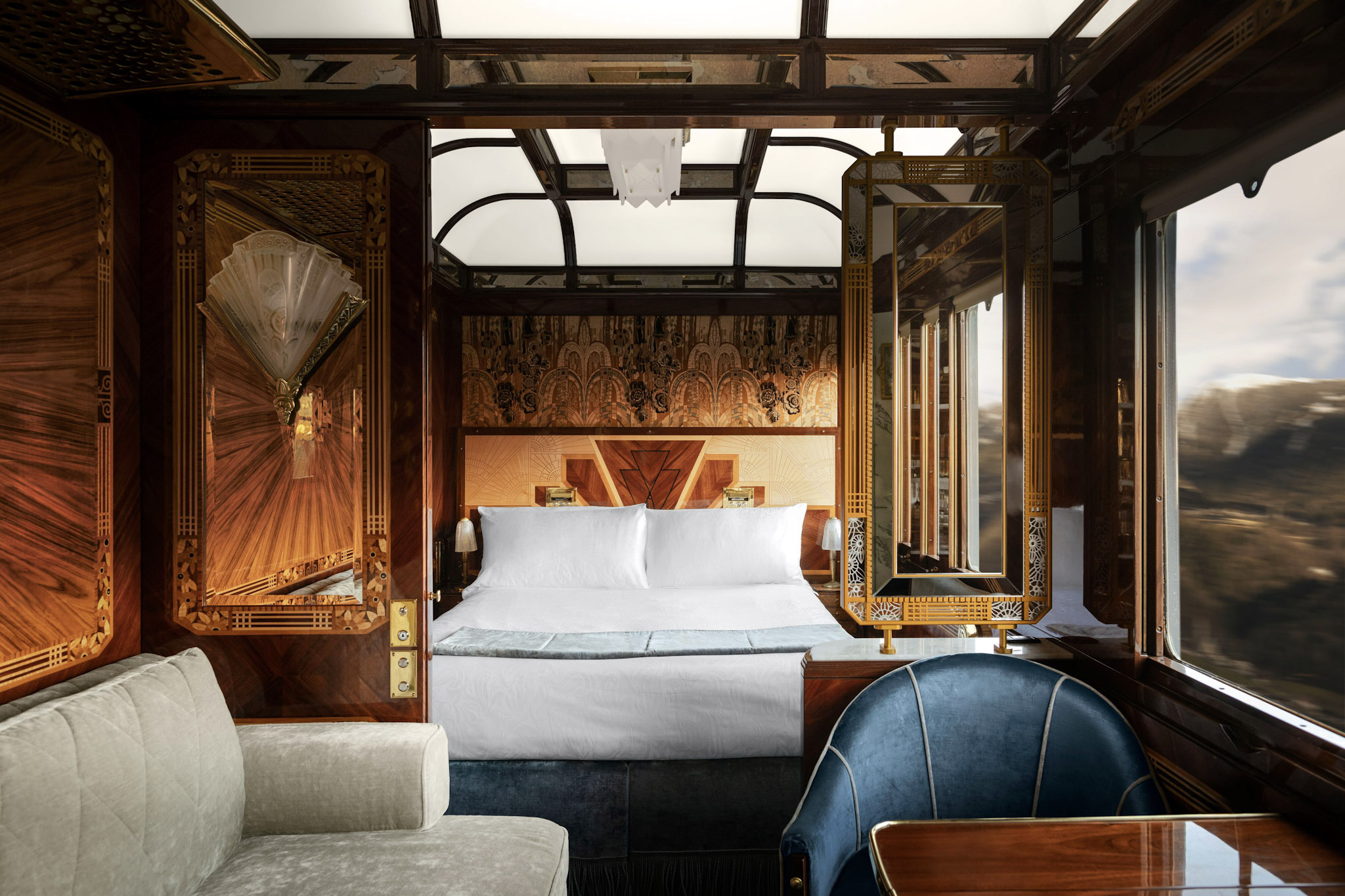
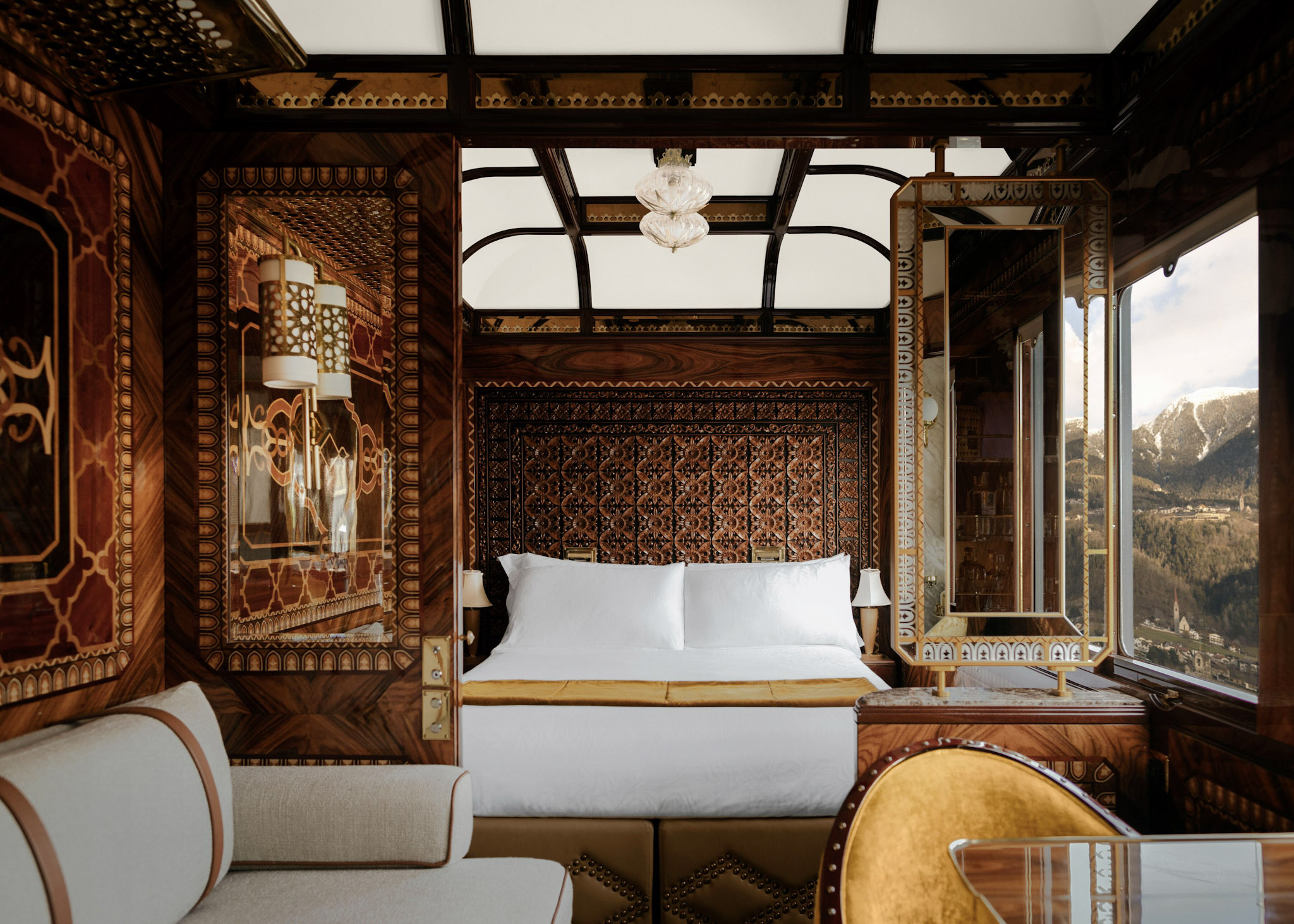
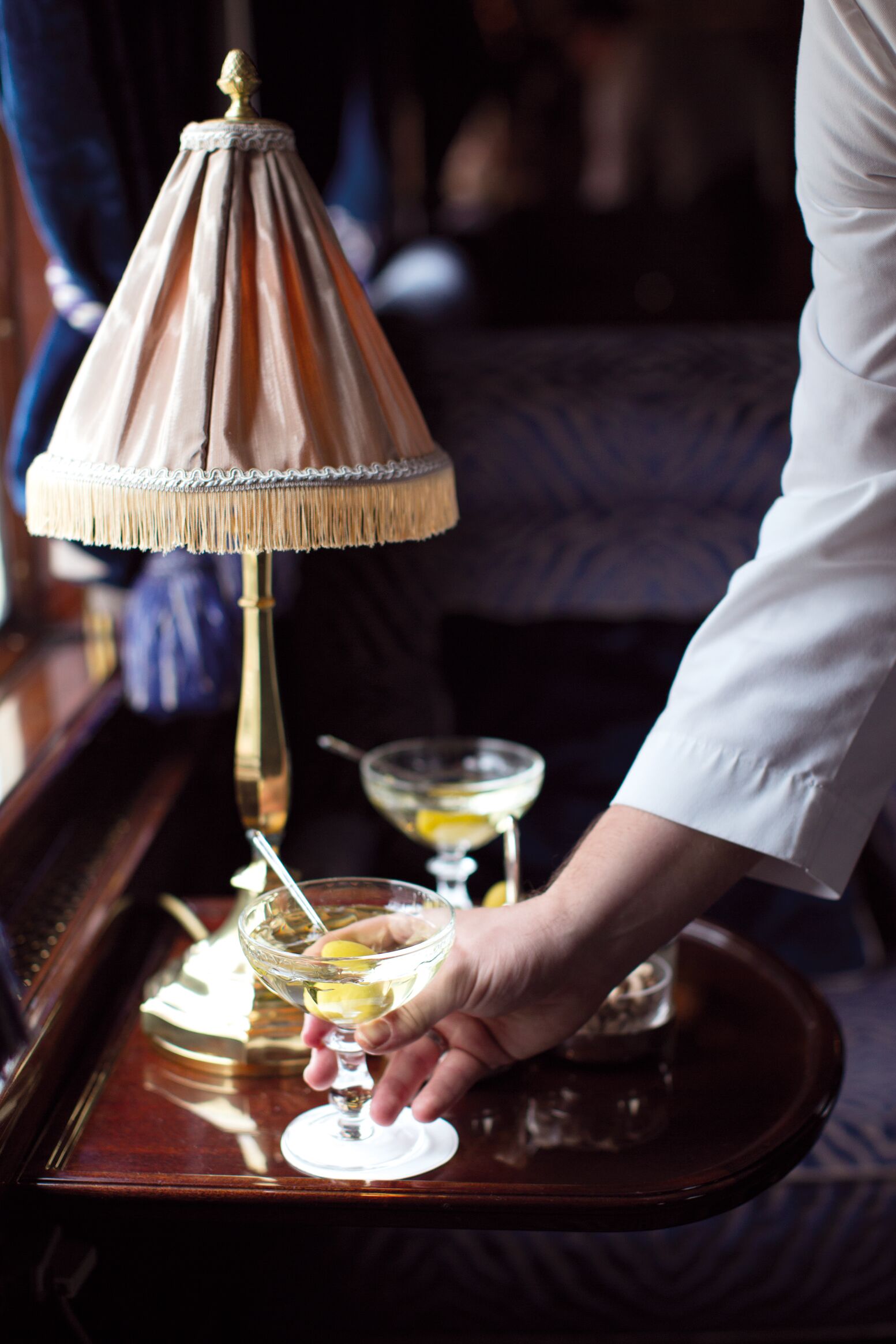
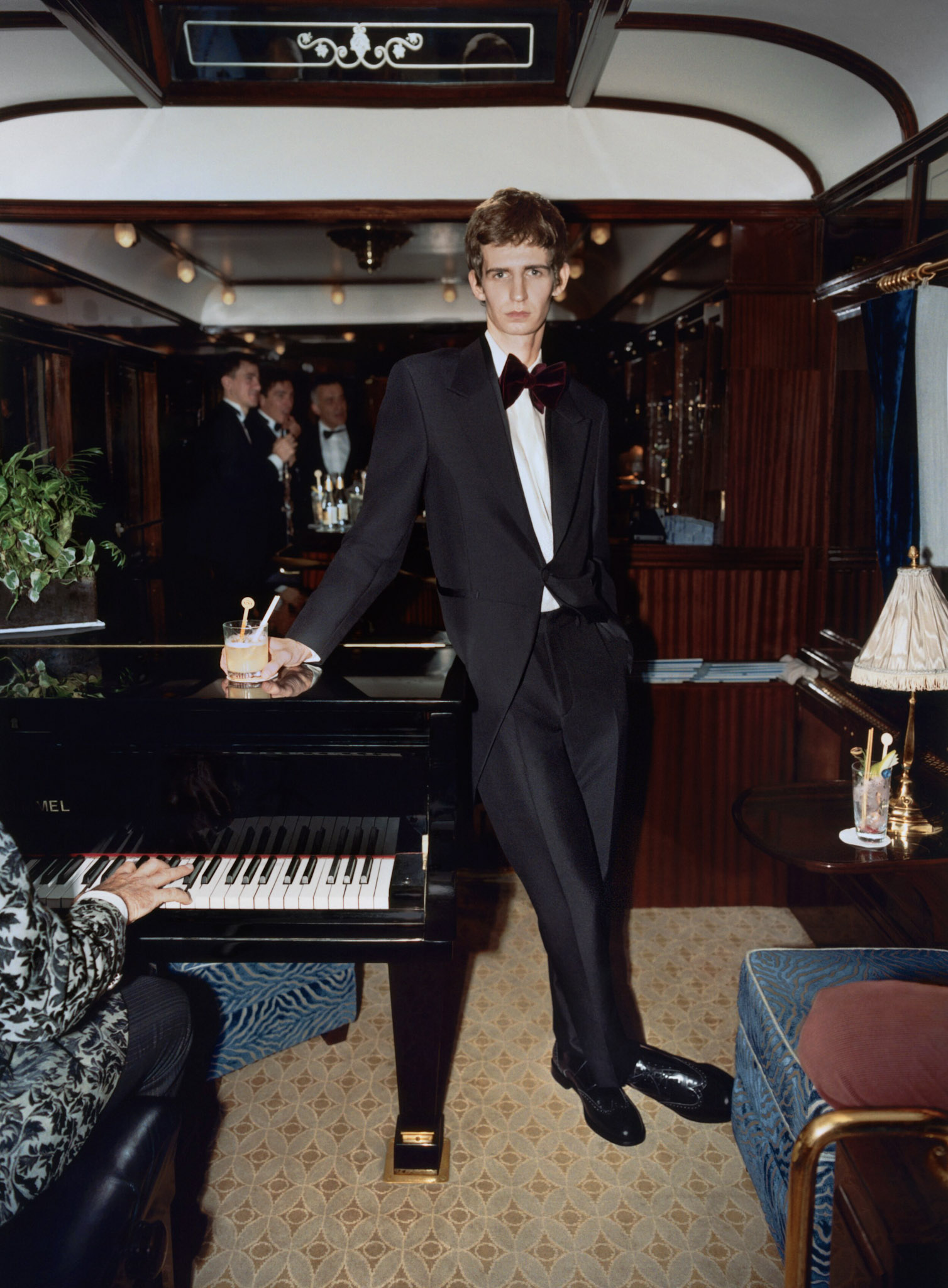
One of the train’s most special accommodations is L’Observatoire, a whole carriage turned into a private suite by the artist JR. Inspired by observatories, this unique space encourages guests to see things in a new way. It has two skylights, custom marquetry, a library of Gallimard books, a vinyl collection, and a hidden tearoom with a fireplace and a model train. It also has a marble bathroom with a bathtub, private dining, a personal steward, and exclusive gifts, making the carriage both a work of art and a place to stay.
The Venice Simplon-Orient-Express runs from Paris to Venice, Vienna, Prague, Florence, and more, from March to December. Some journeys go as far as Istanbul. One five-night Paris-to-Istanbul trip follows the train’s old route through Budapest, Sinaia, Bucharest, and Varna, with stops at Peles Castle and the Danube. Other trips combine the train ride with stops in places like Portofino, ending with a gala dinner at Splendido, a Belmond Hotel. Together, these journeys invite you to slow down, enjoy the traditions of travel, and find the romance in the journey.
Majestic Imperator Train de Luxe – Imperial Elegance on the Rails
Once considered one of the most exclusive trains of the imperial era, the Imperial-Royal Court Salon Train from 1891 has been restored. It brings the grandeur and elegance of the past back to today’s railways.
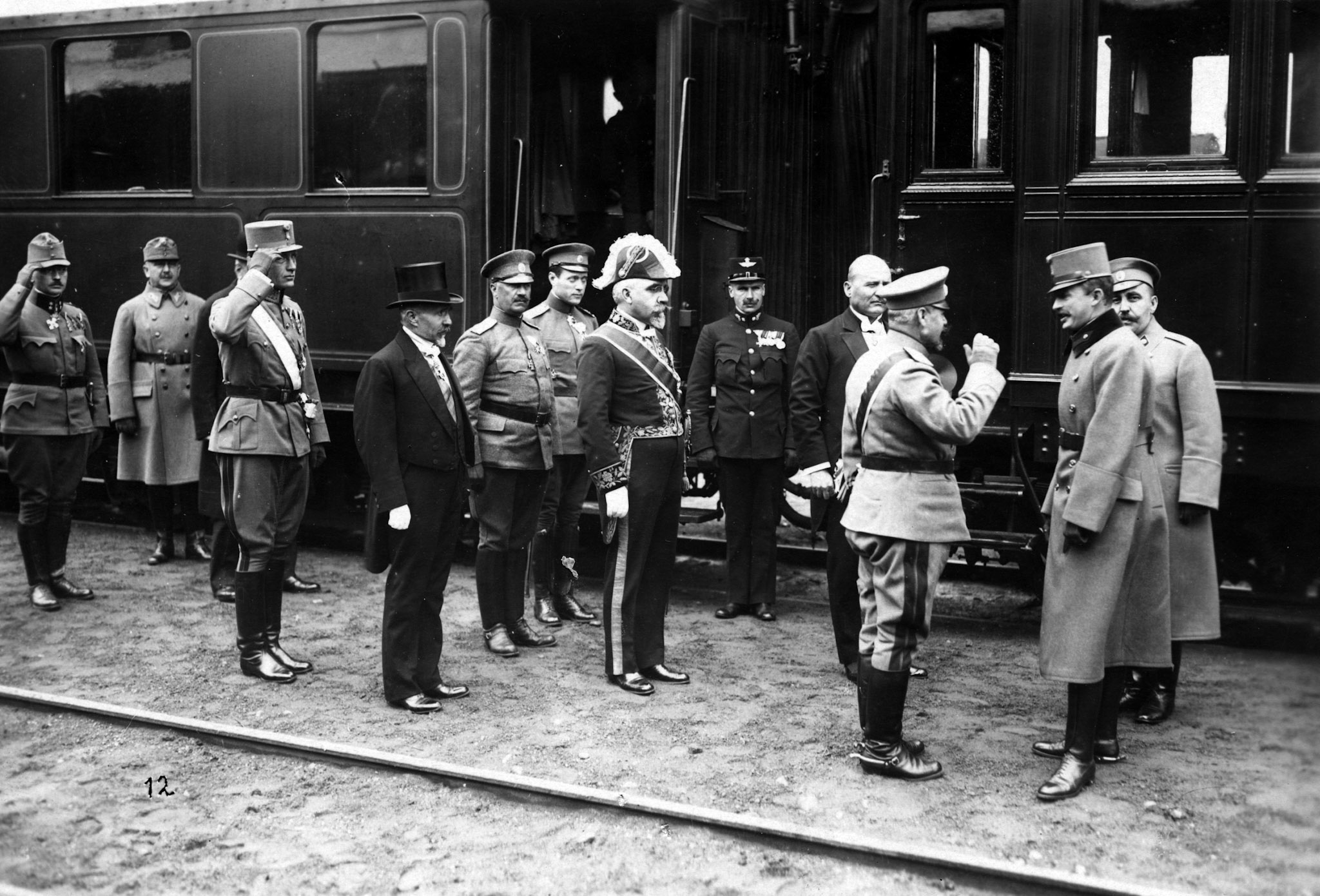
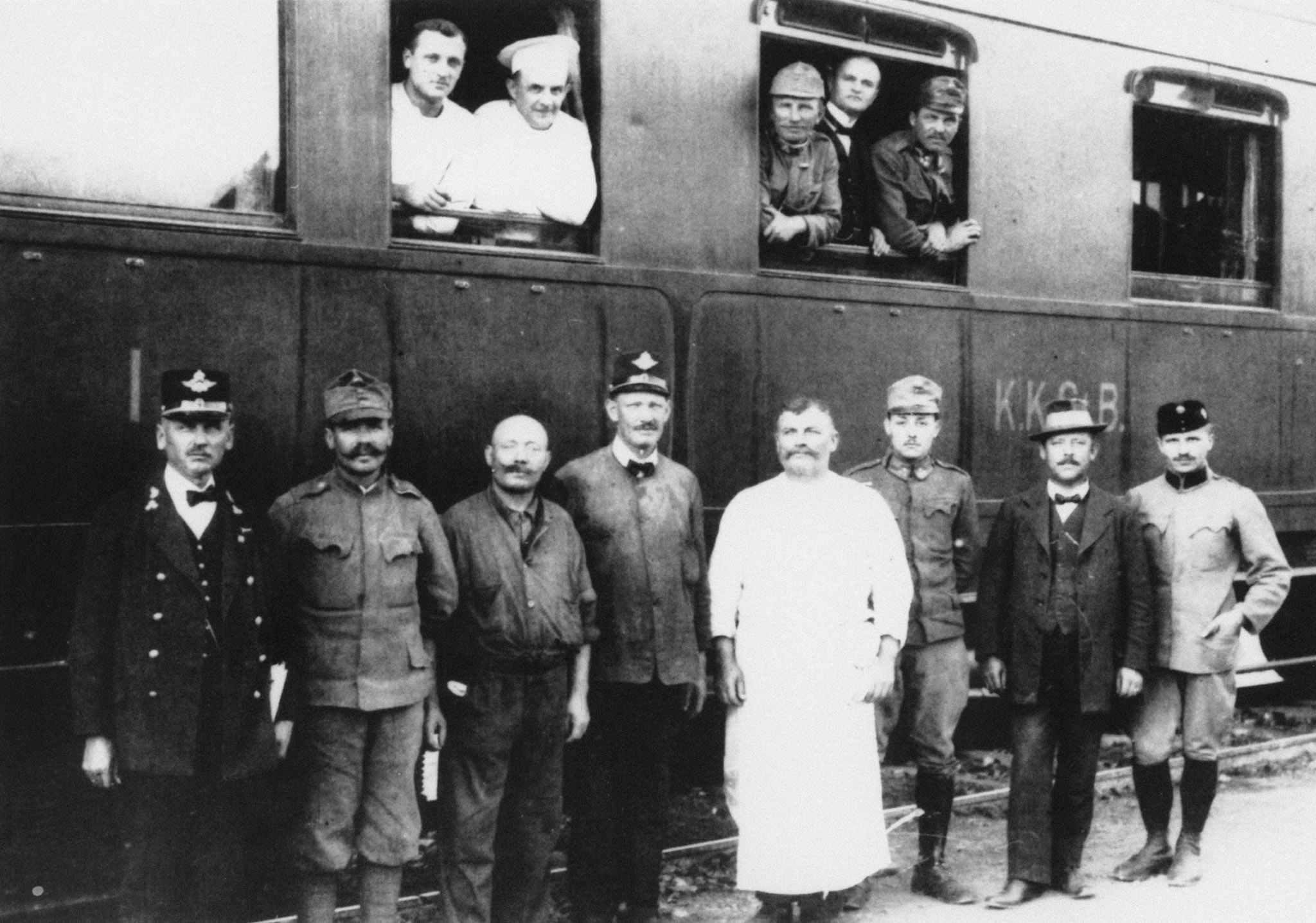
Emperor Franz Joseph I and Empress Elisabeth, known as Sisi, once traveled across their empire on this type of train, from Bad Ischl to the Adriatic resort of Opatija. Railway expert Gottfried Rieck made the revival of this historic train possible by researching, collecting old carriages, and restoring them. What began as a private trip to Budapest with a 1911 steam locomotive turned into something much bigger.
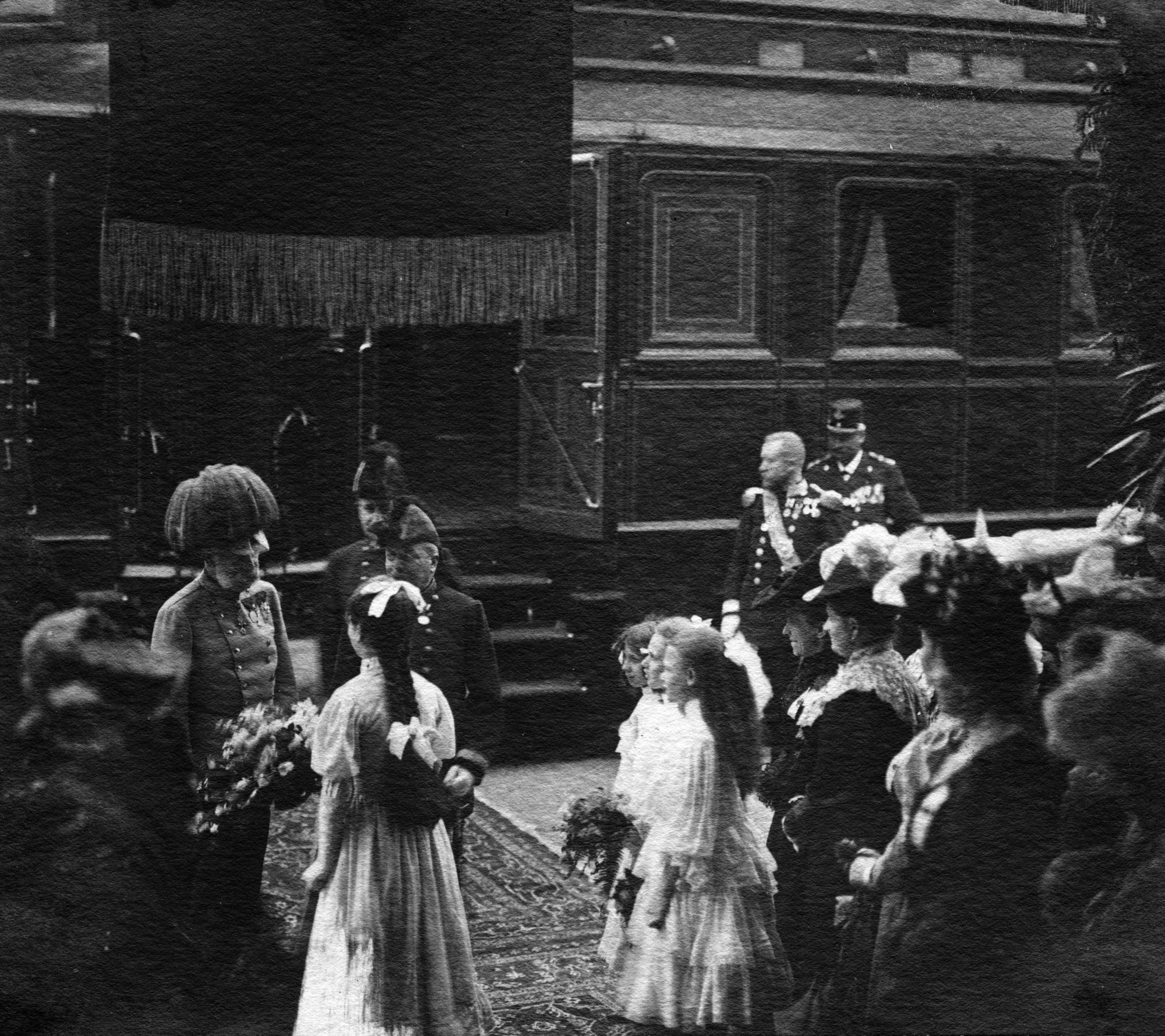
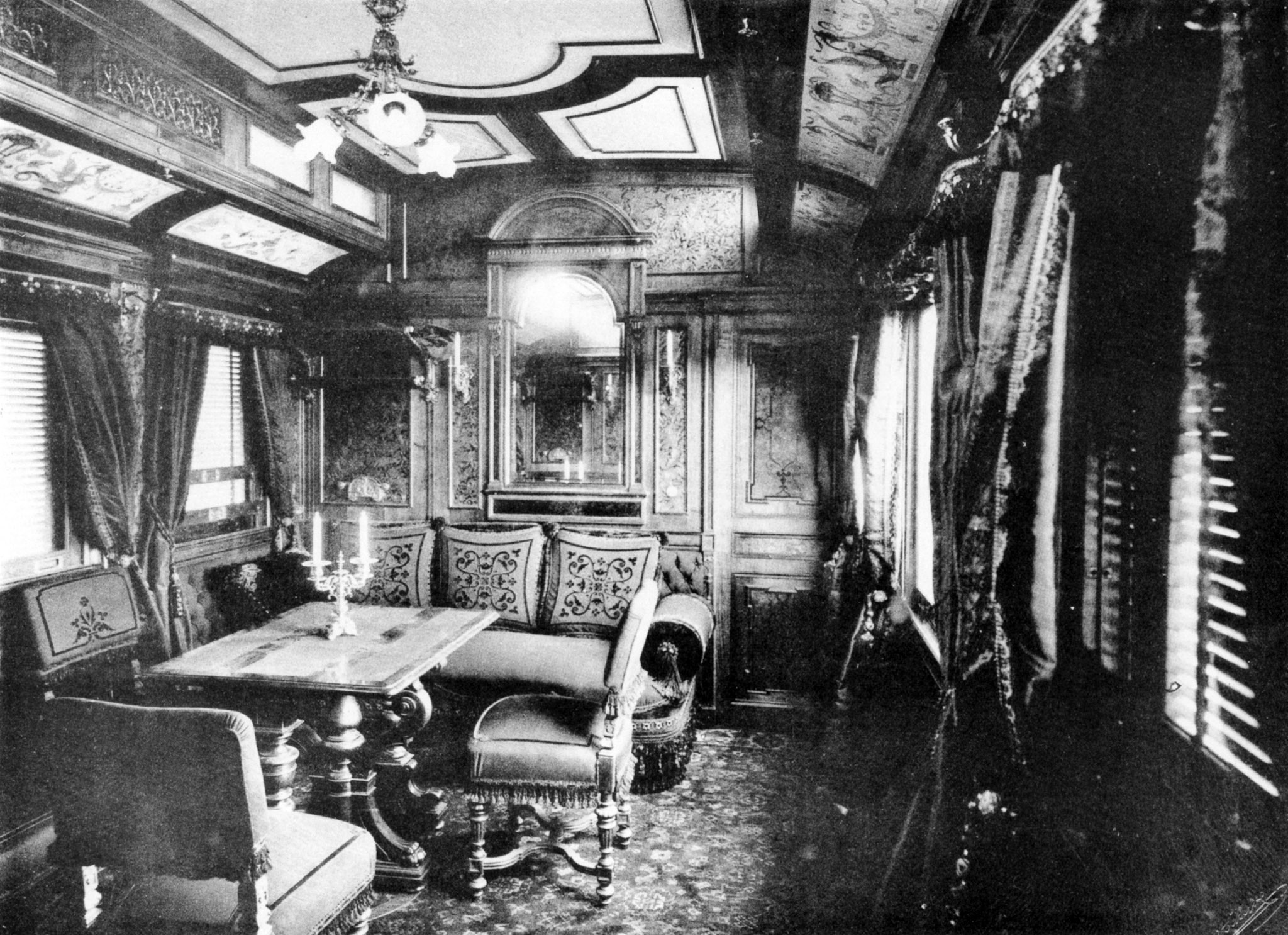
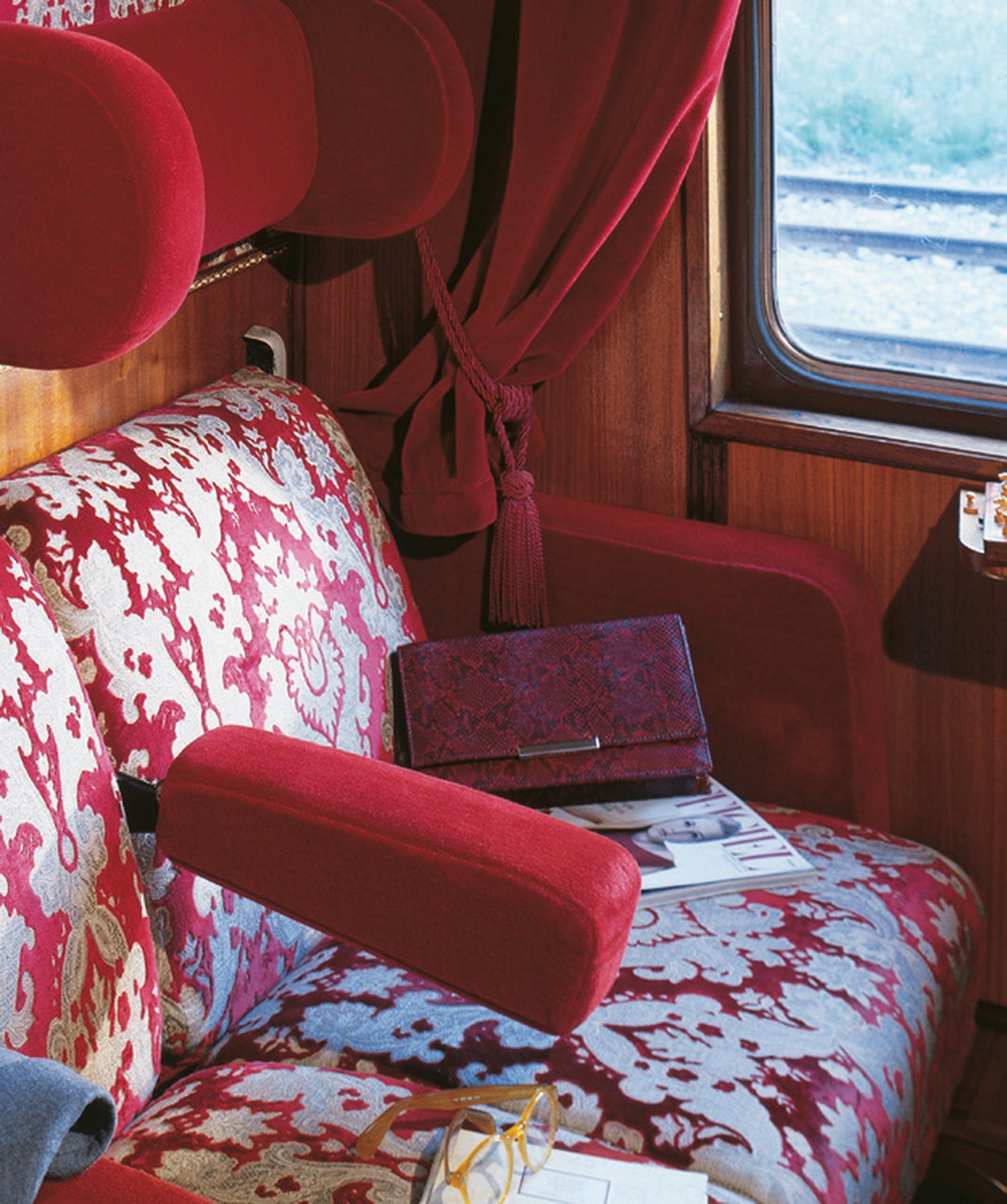
Now, the Majestic Imperator Train de Luxe has seven historic carriages, each with its own name: Salon I, Excelsior, Fourgon, Equipage, Ambassador, Salon Elisabeth, and Franz Joseph. Inside, you’ll find elegant dining rooms, comfortable compartments, rich brocade curtains, and details that bring back the feel of the Austro-Hungarian court. Despite its classic look, the train has modern technology and can run on railways across Europe.
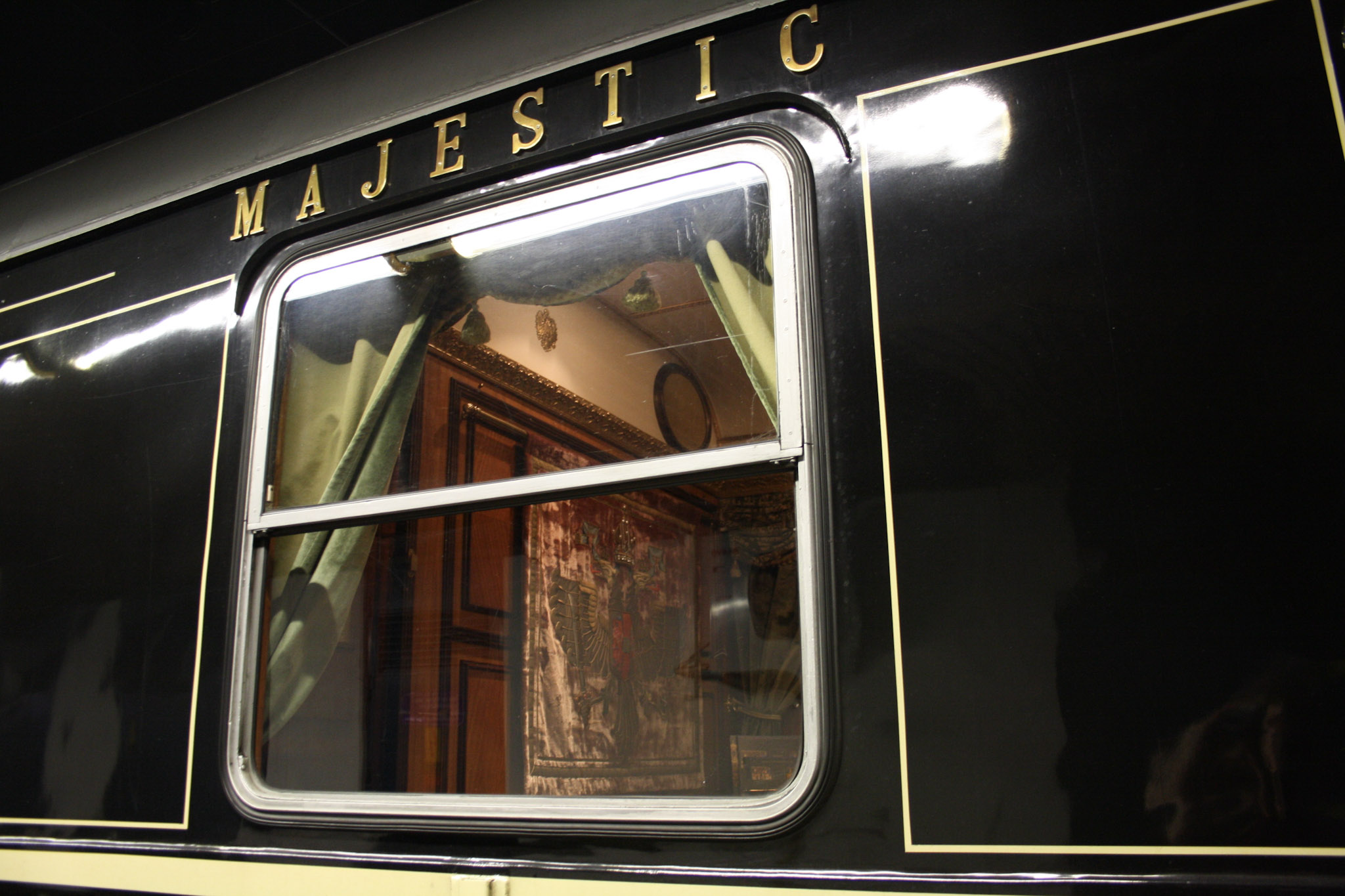
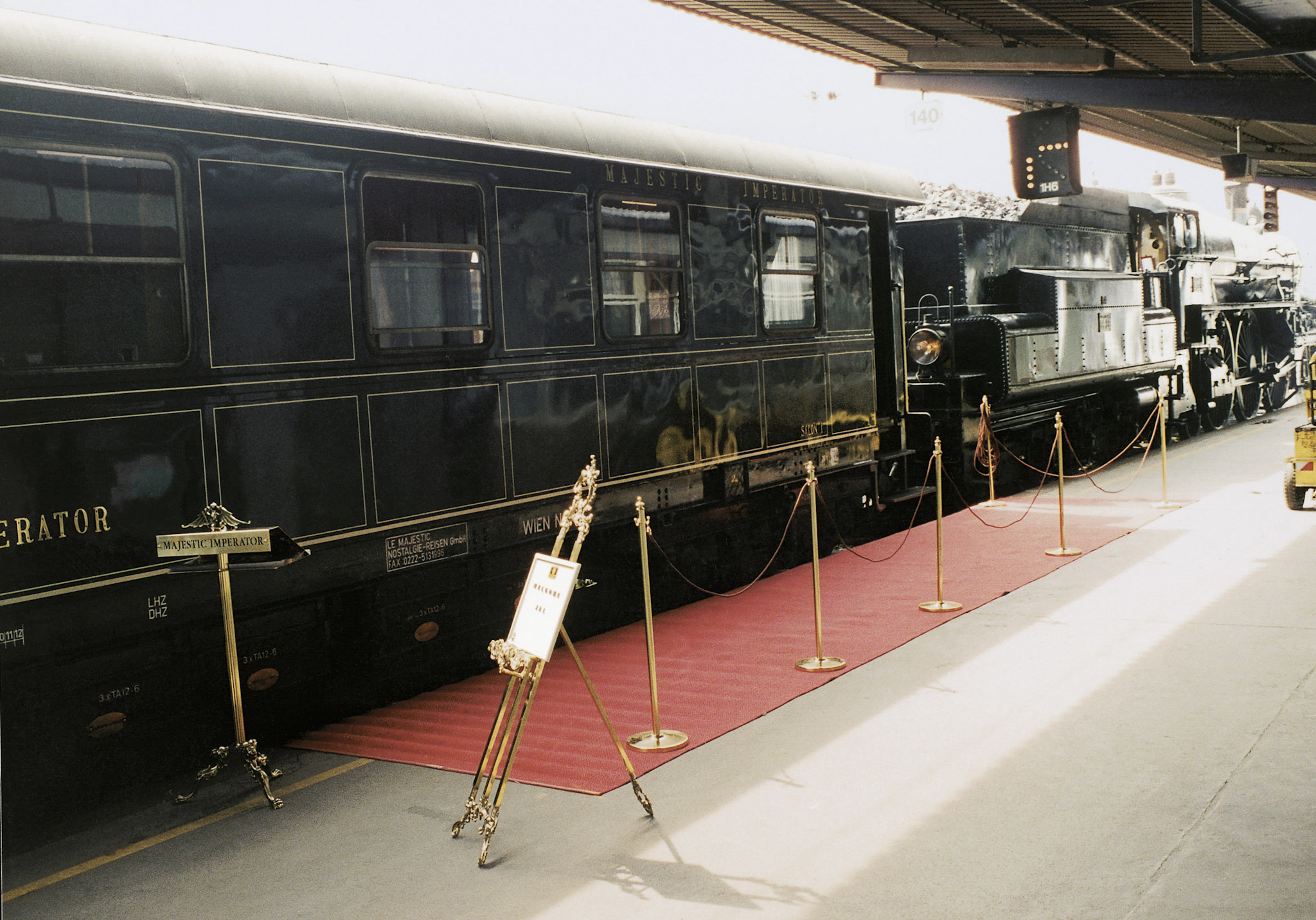
Traveling on the Majestic Imperator is more than just getting to your destination. It’s a chance to make the journey special. The train hosts private celebrations, weddings, anniversaries, and business events. From short rides to Vienna, Semmering, and the Wachau Valley, it also offers longer journeys to Prague, Budapest, Salzburg, and Munich.
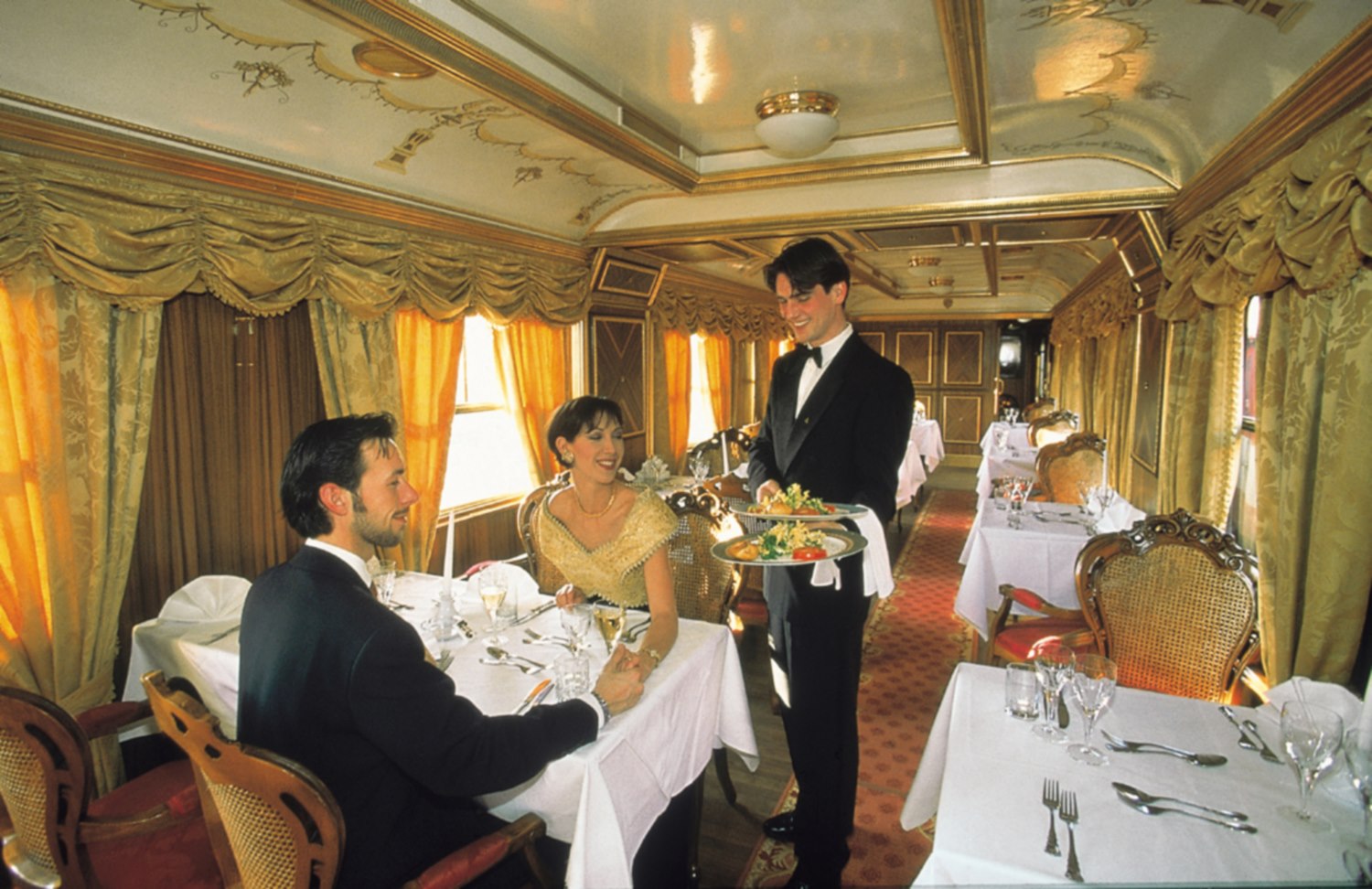
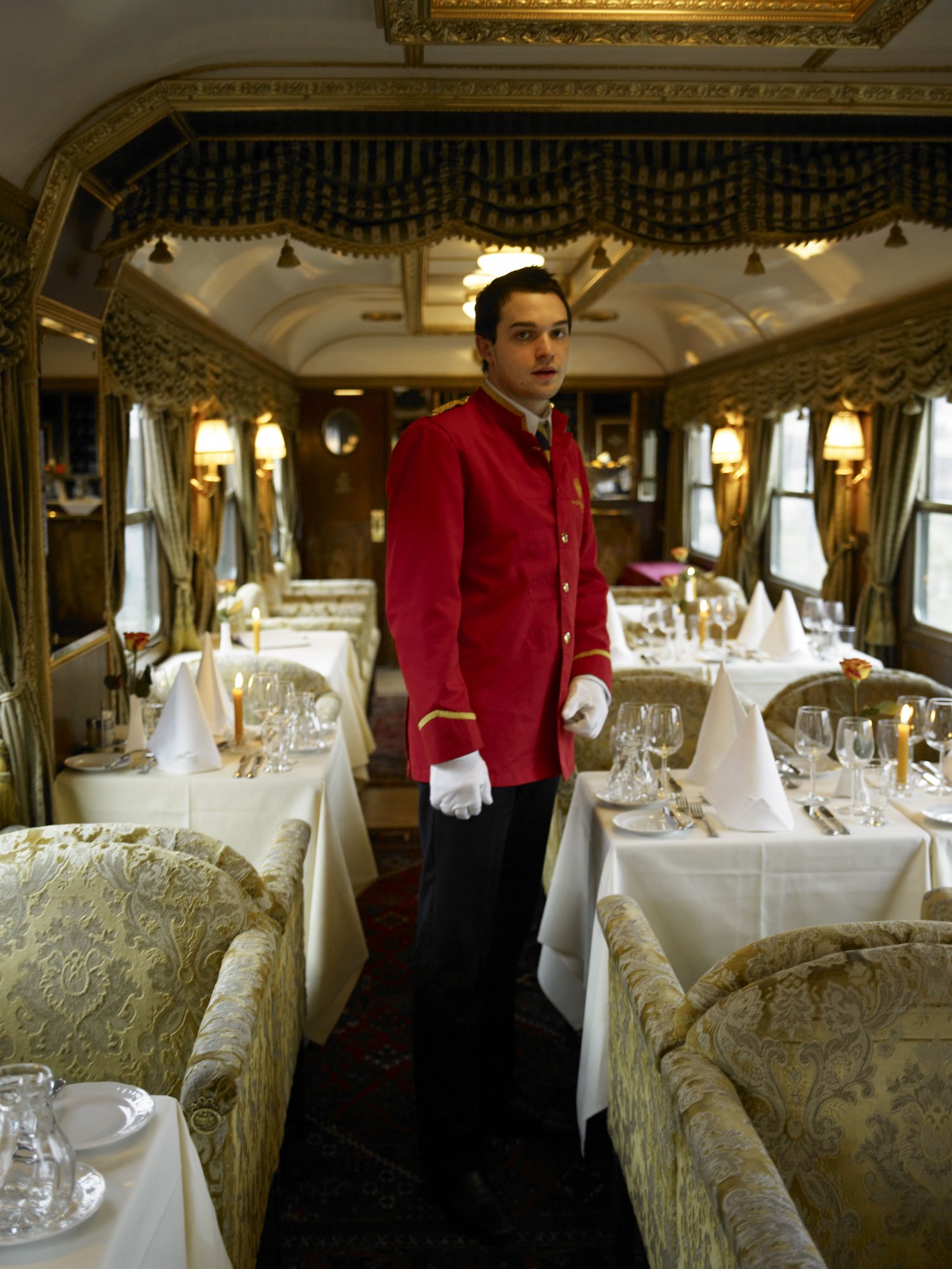
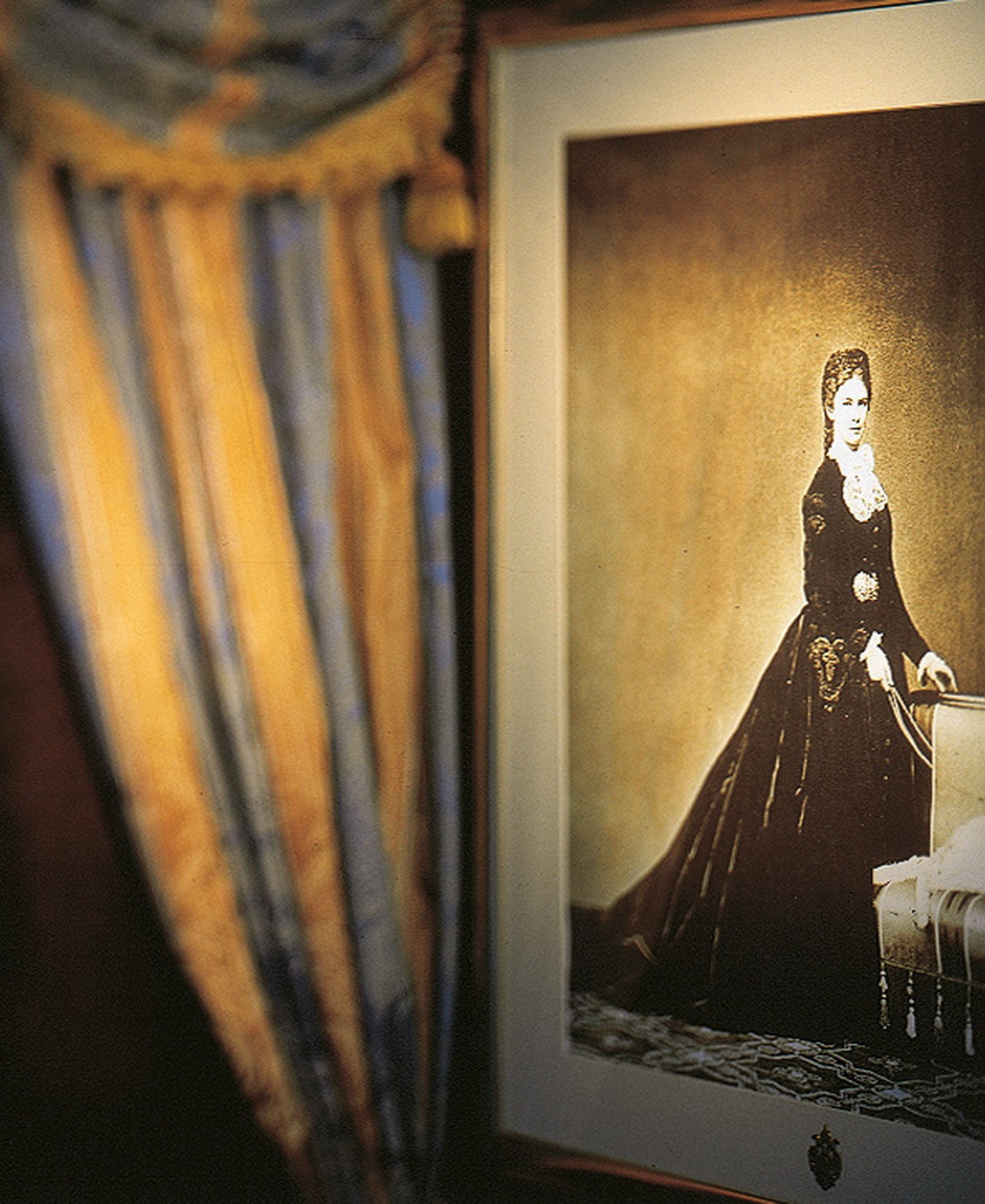
The festive season adds something extra to the experience, mixing the train’s historic feel with cultural events and great food. At Christmas, guests can travel from Vienna to Hof Castle, take a guided tour, visit the Christmas market, and attend a concert in the grand ballroom. The trip includes dining on board, with a festive brunch on the way there and a meal on the way back.
To celebrate New Year’s, the Majestic Imperator offers an evening trip around Vienna. Guests enjoy a five-course gala dinner, live entertainment, and a disco carriage with a DJ. At midnight, the train stops on a bridge over the Danube, giving everyone a view of Vienna’s lights. The traditional Viennese waltz sets the mood as guests dance into the New Year.
Maybe the golden age of rail travel never really disappeared. It has simply evolved, preserving what matters most: the romance of the rails, the thrill of discovery, and the joy in every moment. In the end, true luxury is not speed, but the wonder found along the journey.
With special thanks to Rhaetian Railway, Belmond, and Majestic Imperator Train de Luxe for the photographs and archival materials.
Author: Daria Diemidova