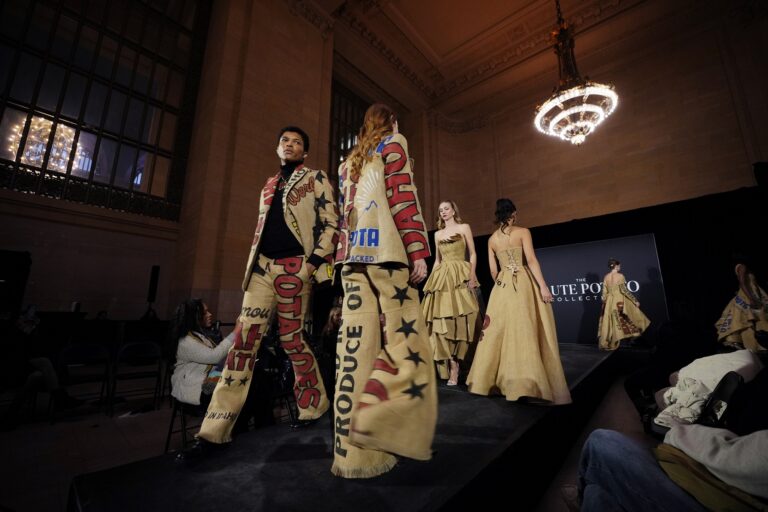
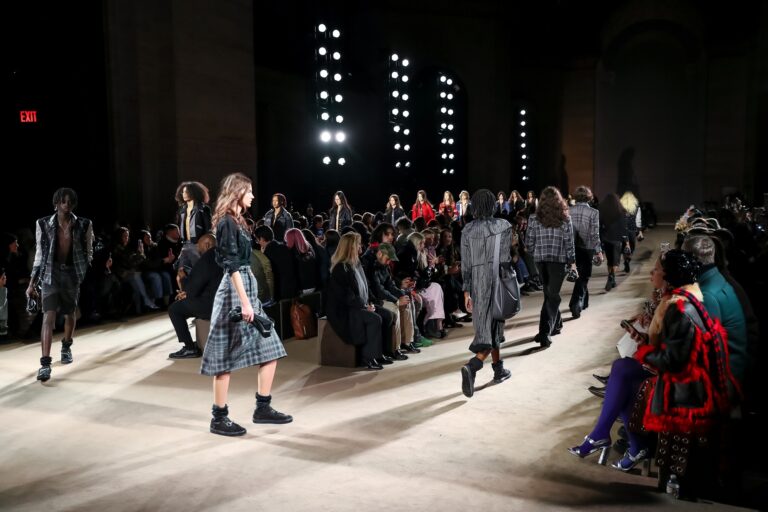
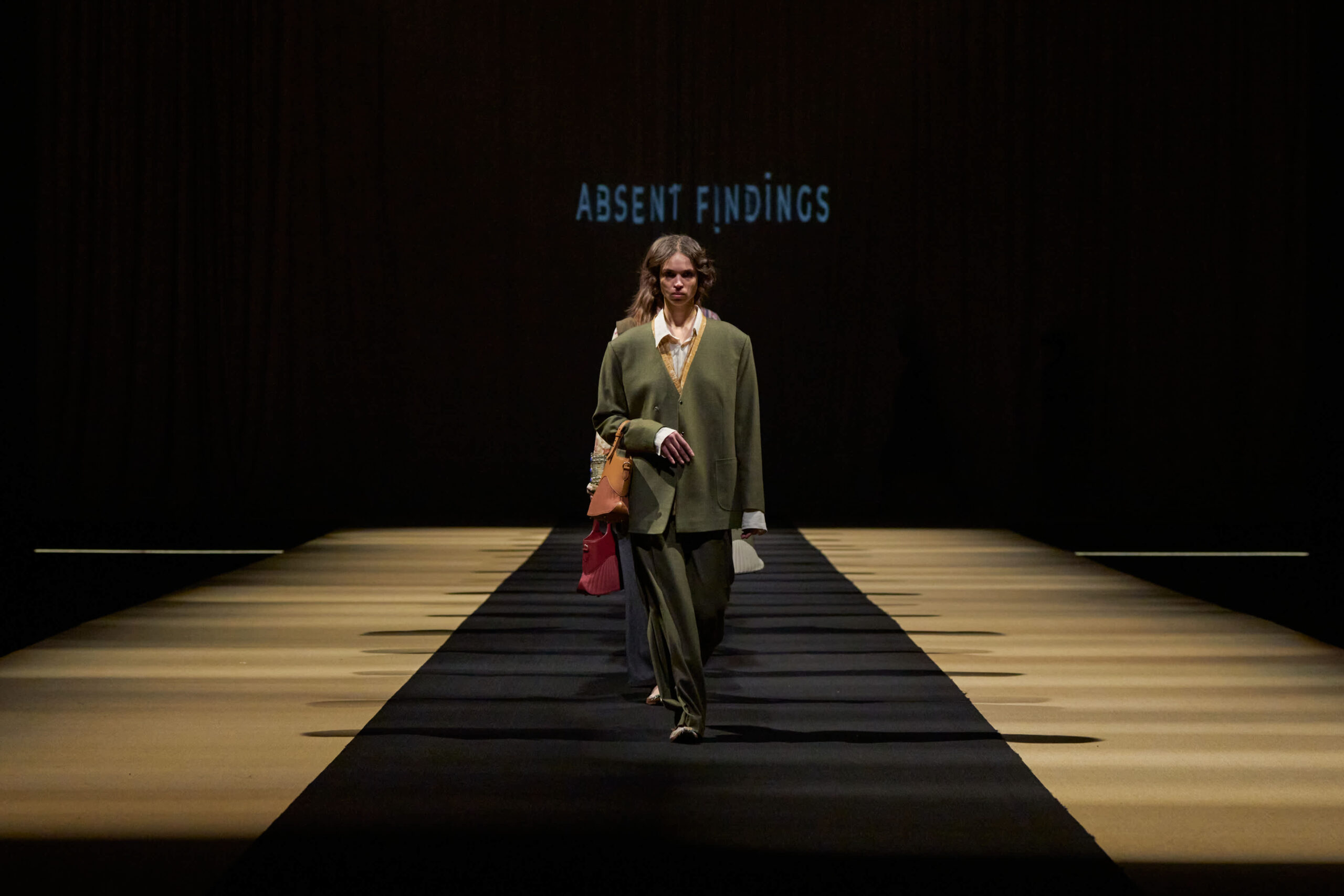
New York and Copenhagen: two completely different cities, yet equally magnetic. The fast pace and grandeur of Manhattan are the polar opposite of the nostalgic charm of the old Baltic port. Without a doubt, what unites both cities is fashion: the common language of style and personal expression that gives them the same charisma and effortless influence
A Scandinavian view of fashion
Copenhagen’s vibrant fashion scene never ceases to amaze with diverse cultural references sublimated through legendary Scandinavian design. Don’t be fooled by the city’s cozy atmosphere and historic fairytale waterfronts. Copenhagen Fashion Week is always a witty commentary and unique interpretation of trends.
Take for instance the collection inspired by the character and glamour of New York bars in the 1970s and 80s, Wall Street businesswomen, faux fur coats, high collars, wool scarves wrapped tightly around the face – all featured in GESTUZ AW26’s “Smokey Mirrors” show during Copenhagen Fashion Week.
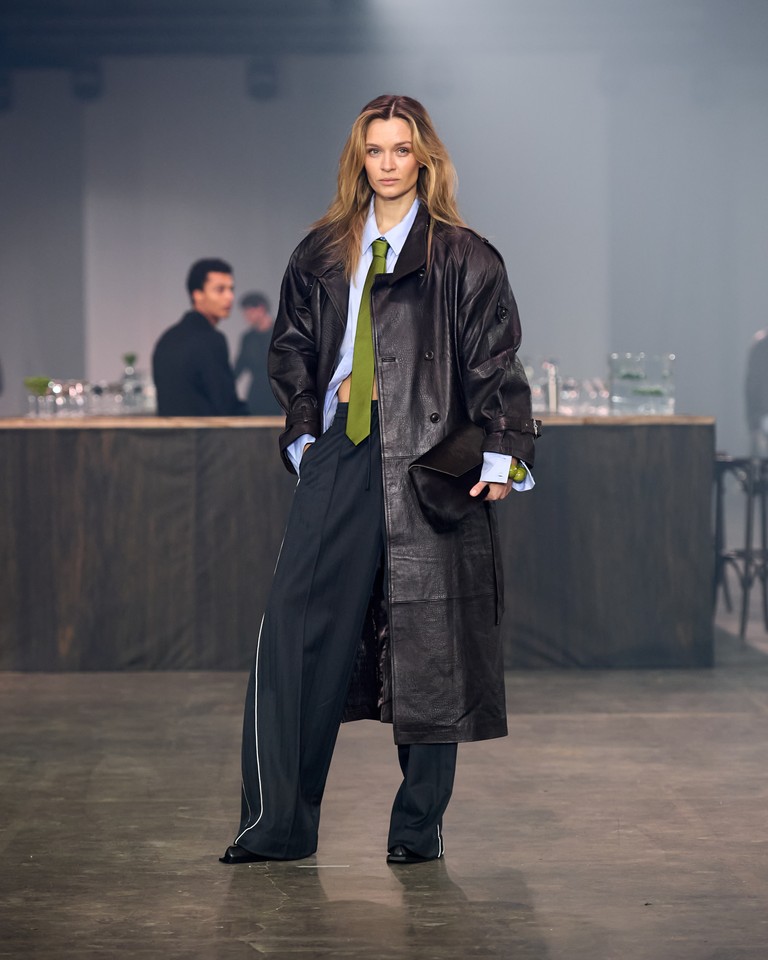
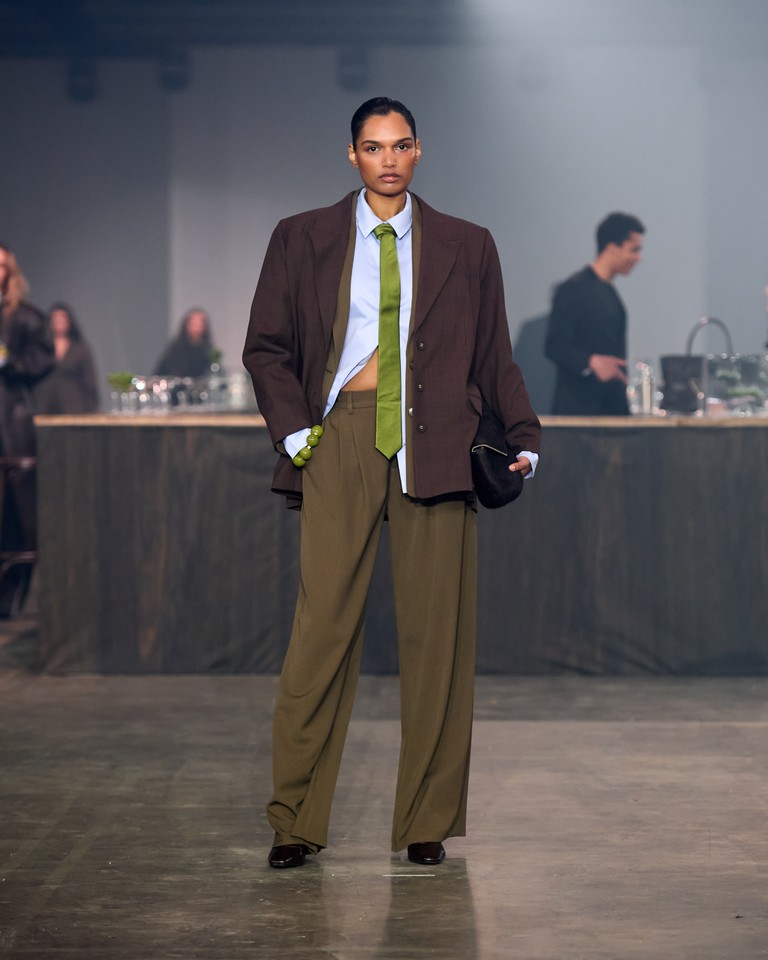
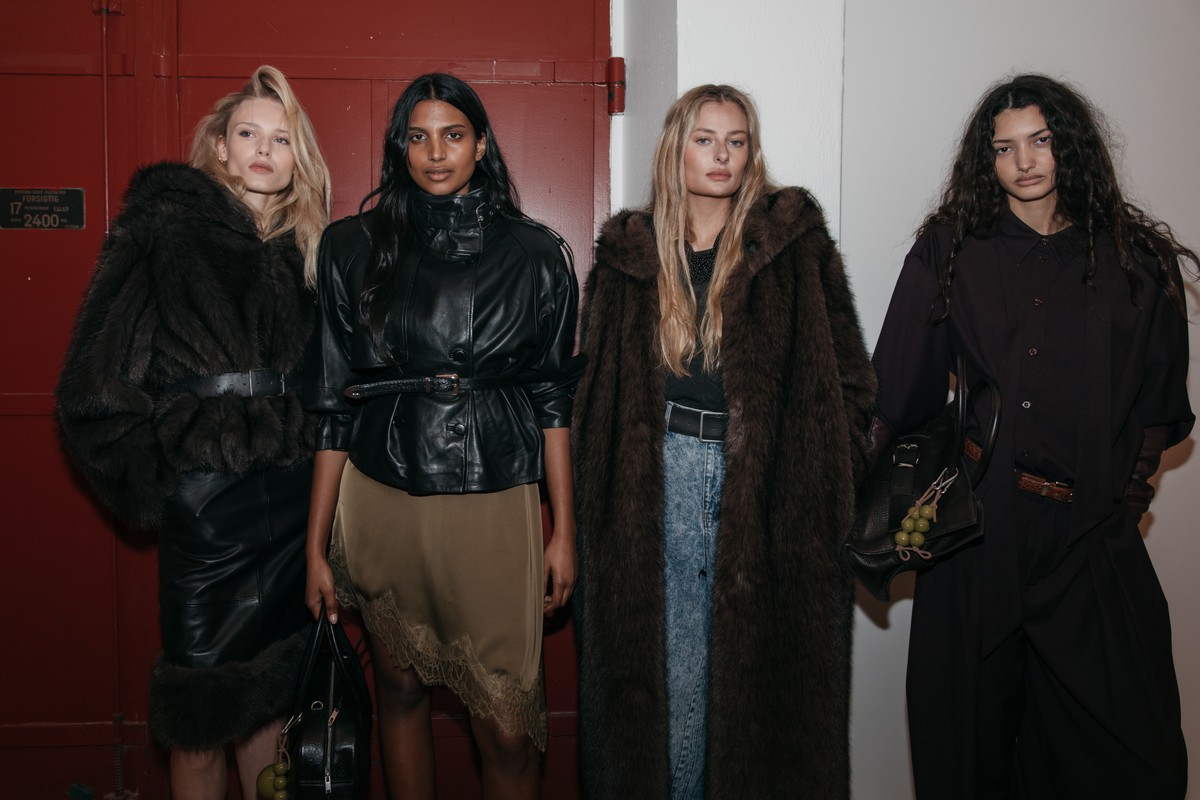
Soft and fitted silhouettes, as well as layering and durability, are at the heart of the Holzweiler collection’s design. The O. FILES collection showcases a refined evolution of form through minimalism, craftsmanship, and origami-inspired construction.
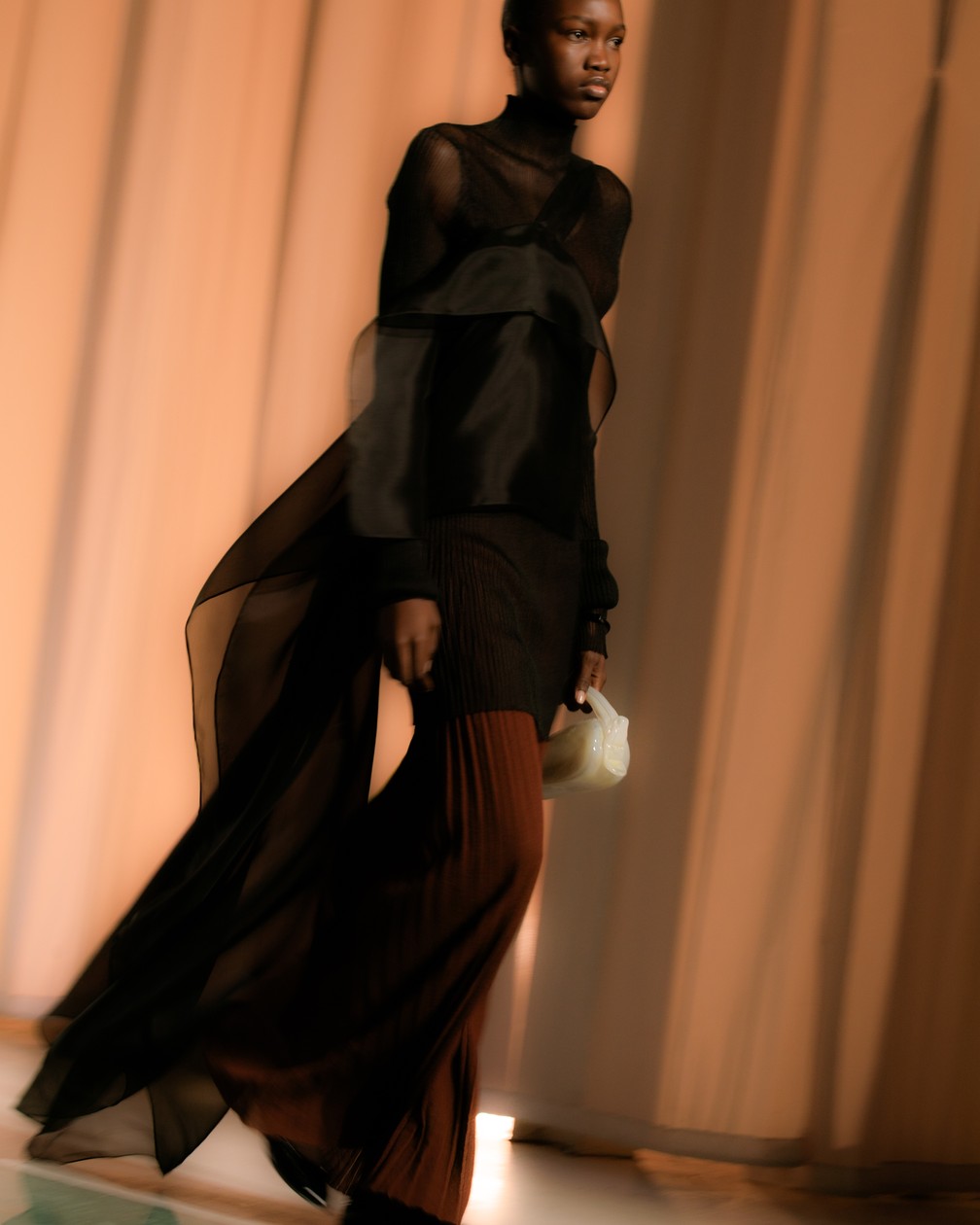
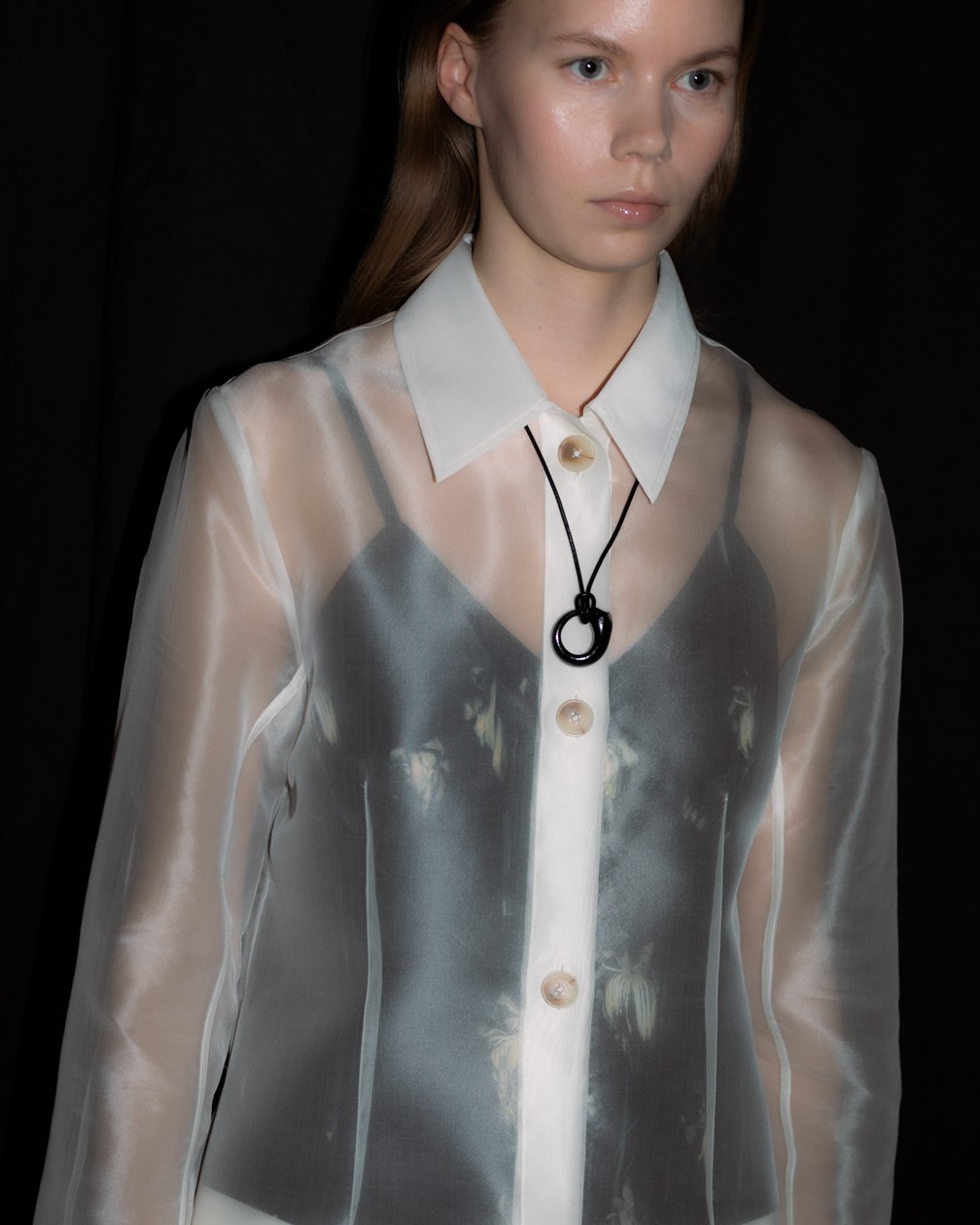
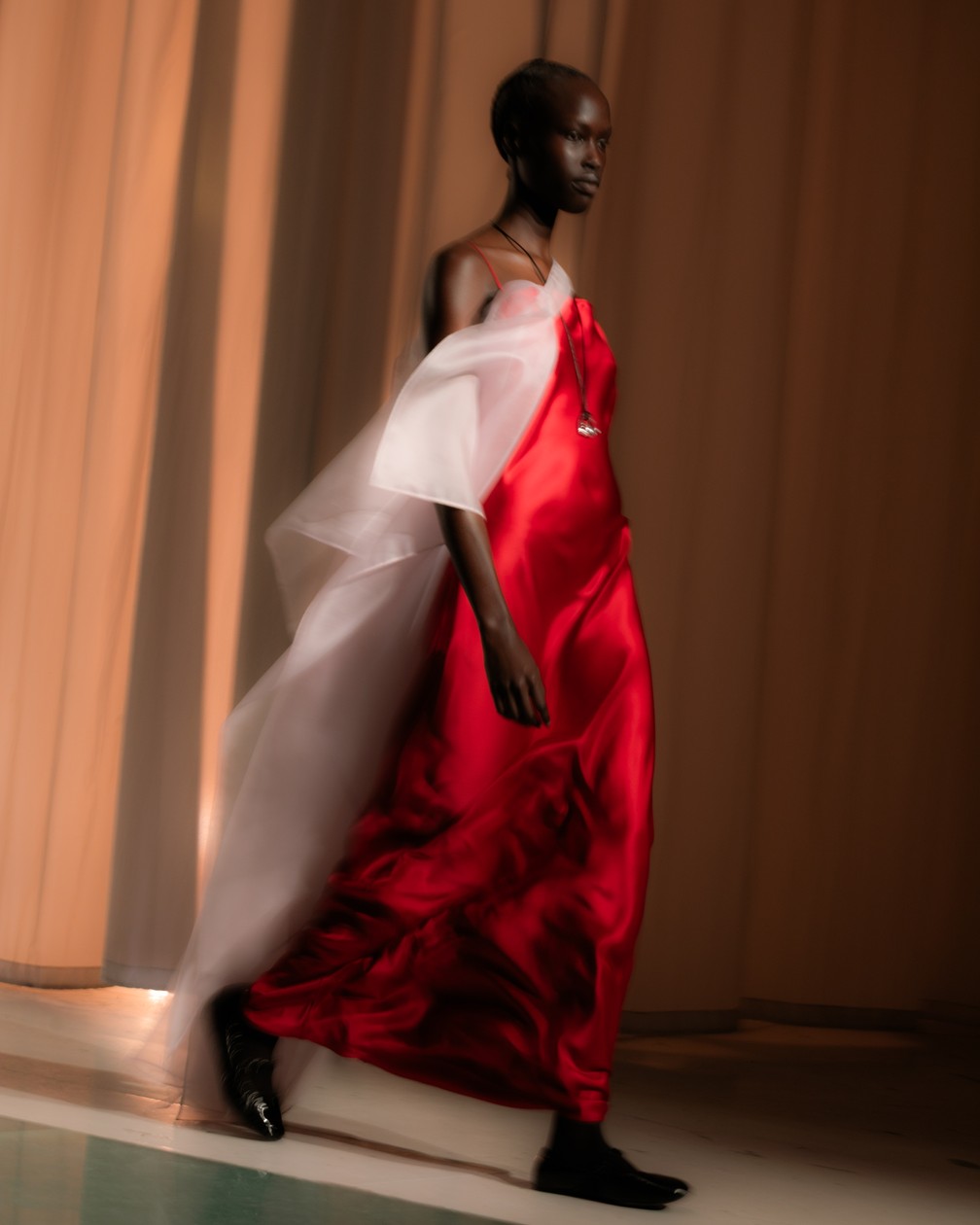
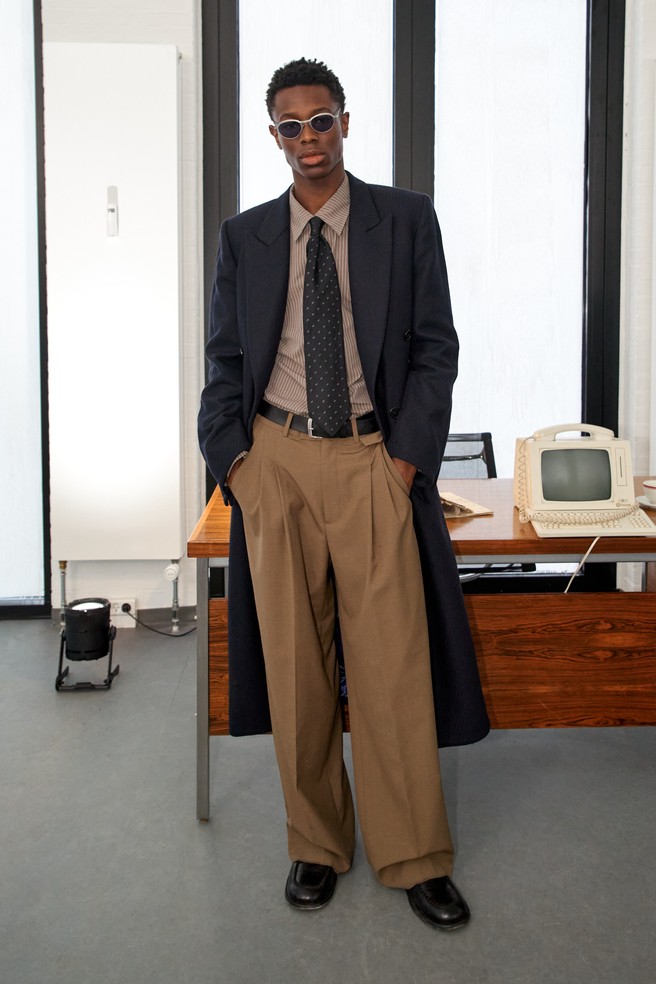
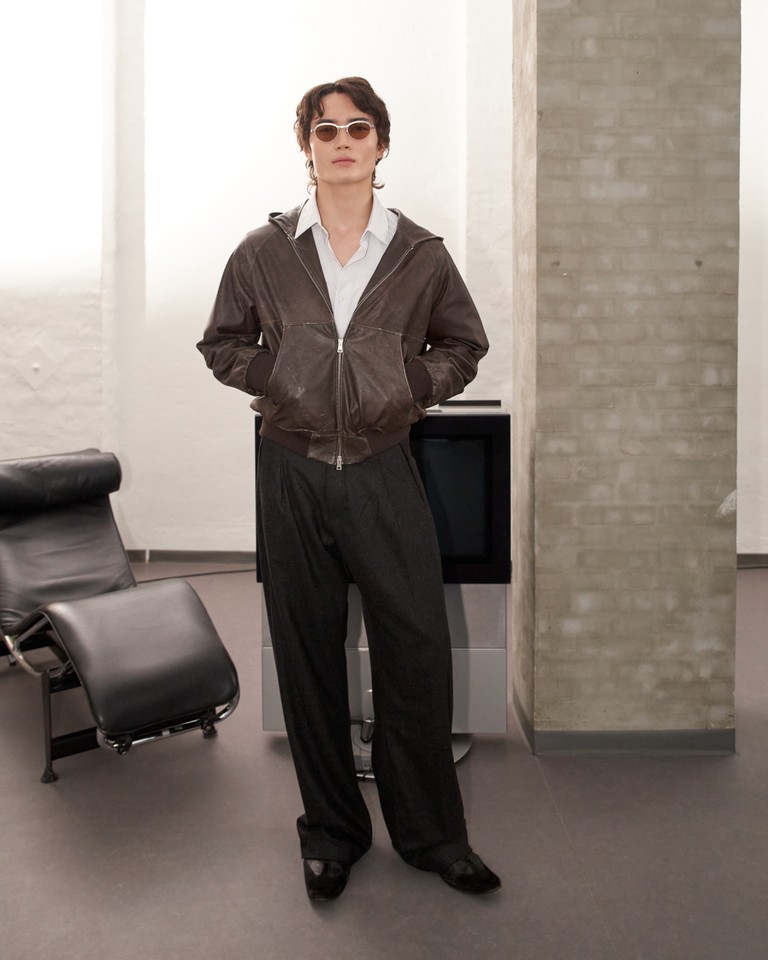
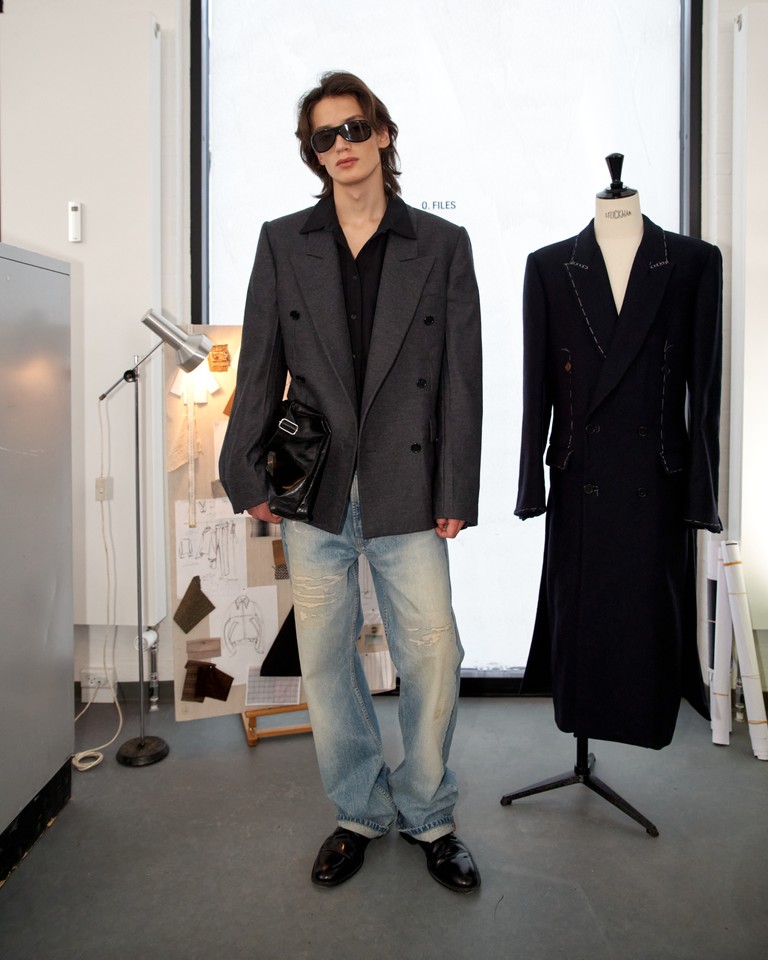
A poetic, almost cinematic atmosphere, shimmering satin, lace, and soft, atmospheric lighting – this is what the OpéraSPORT FW26 collection, “Venice at Night,” is all about.
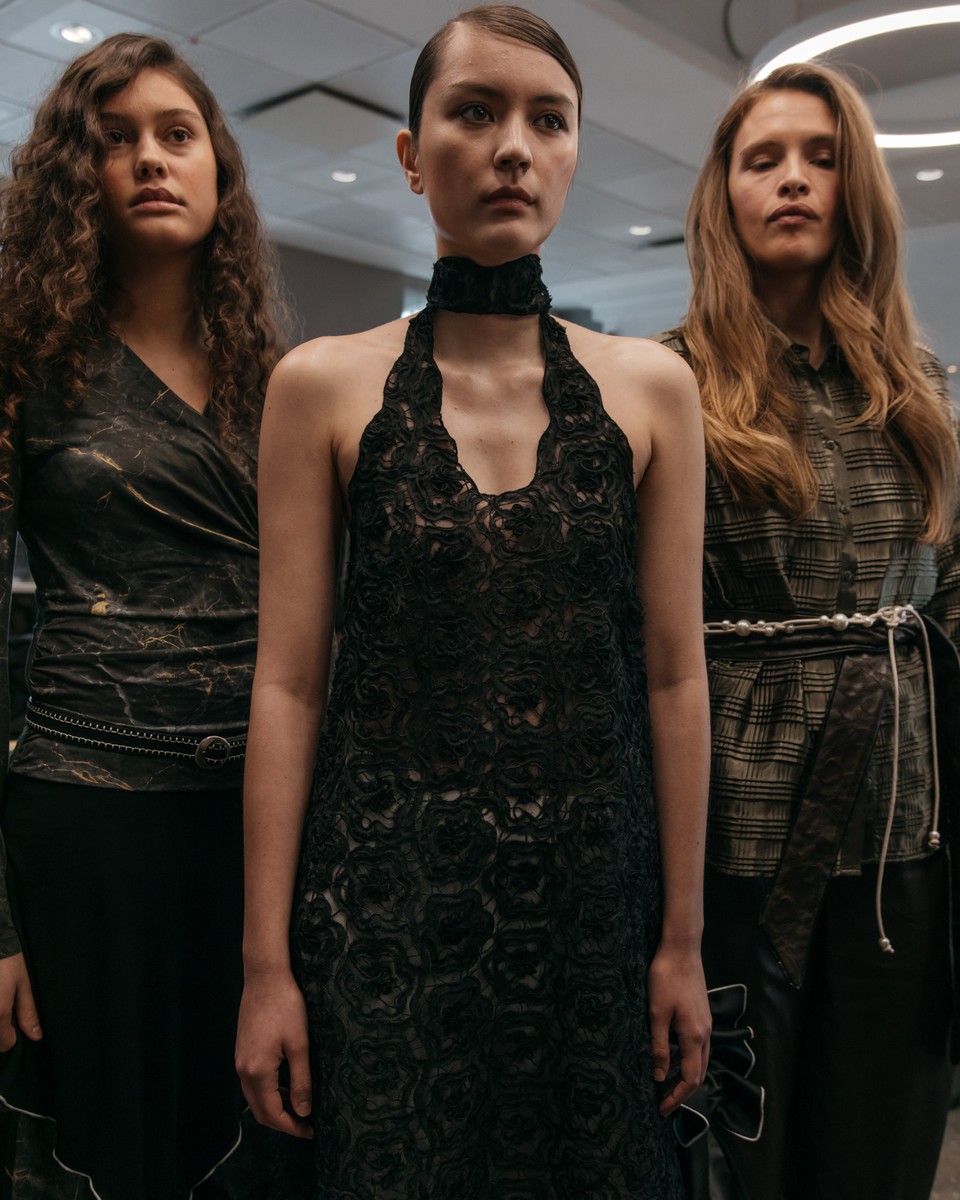
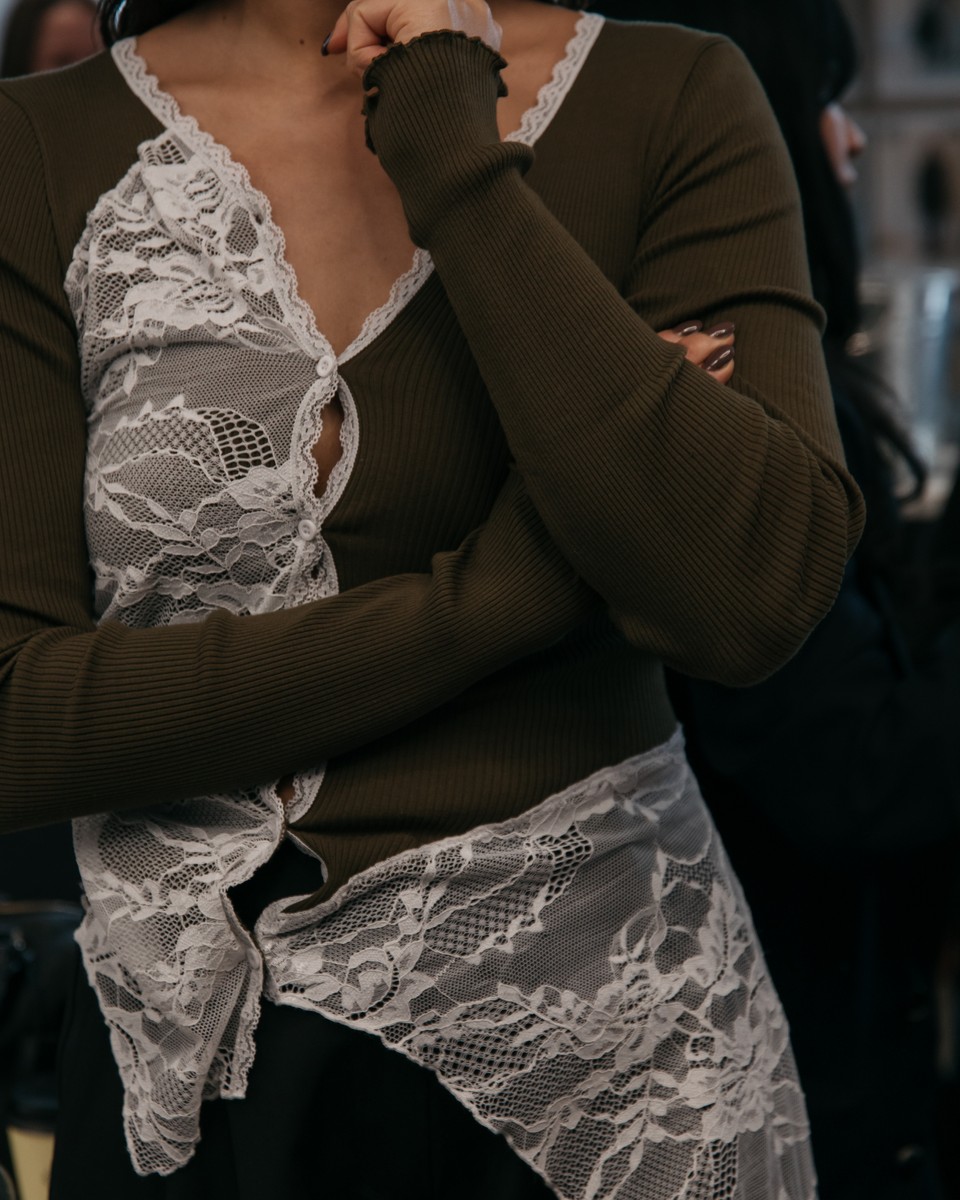
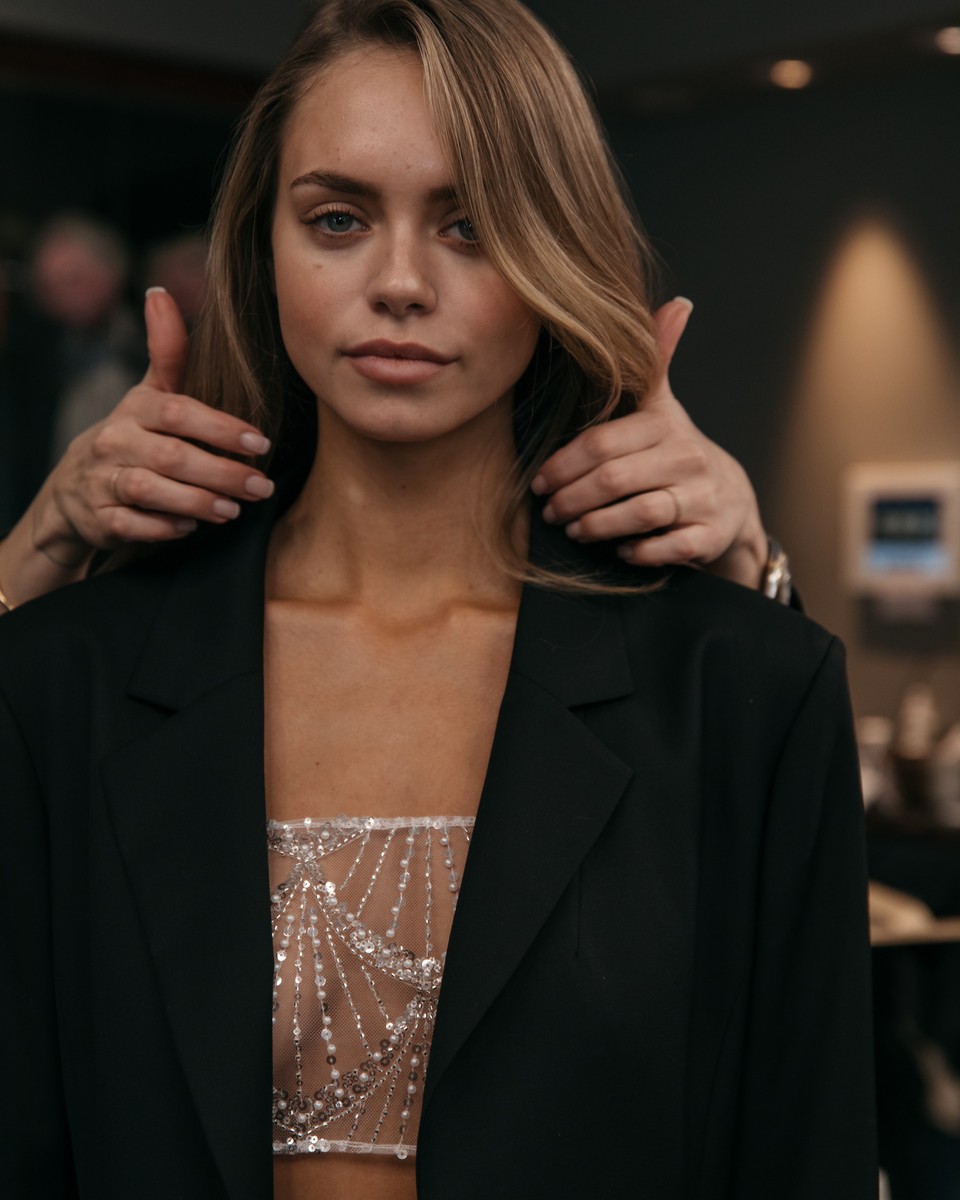
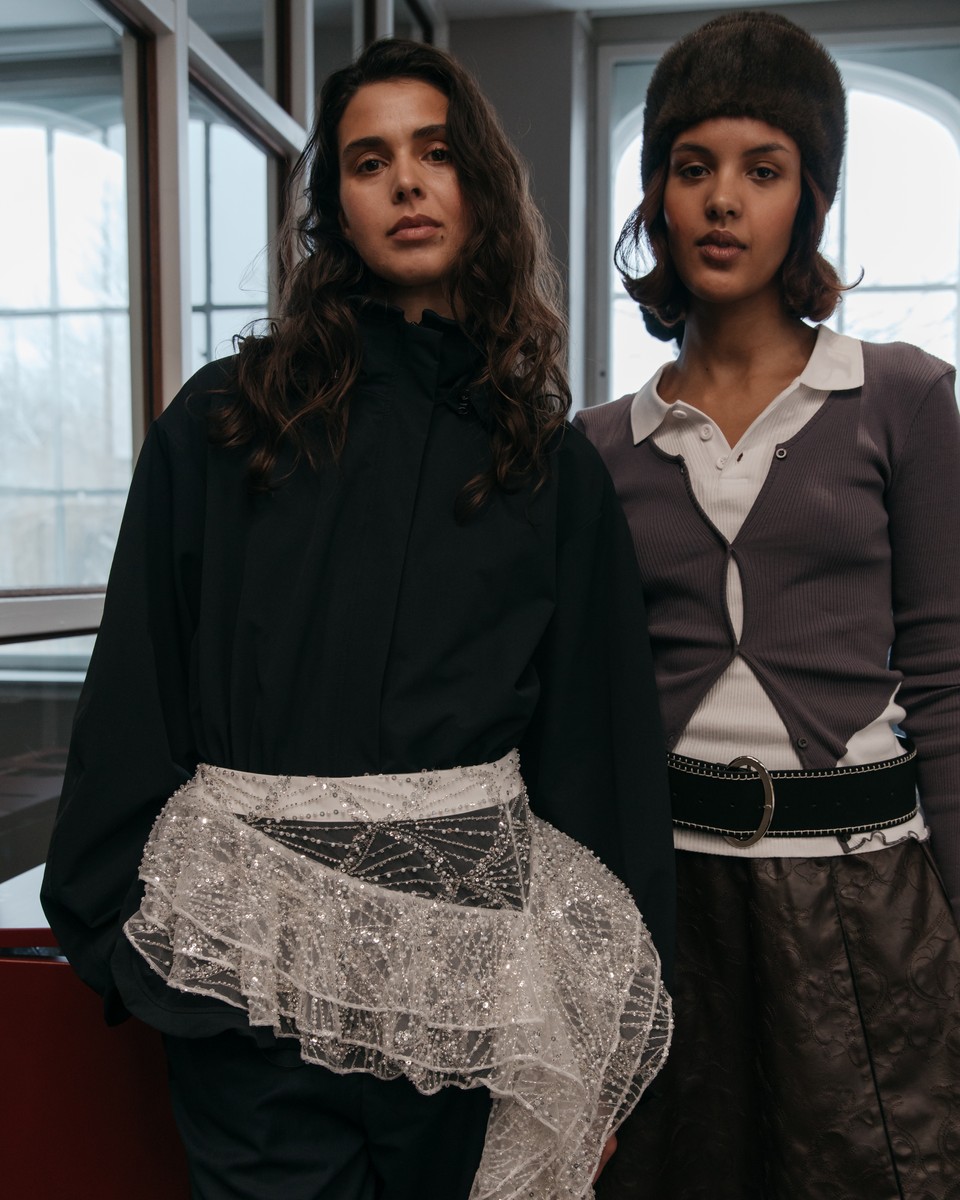
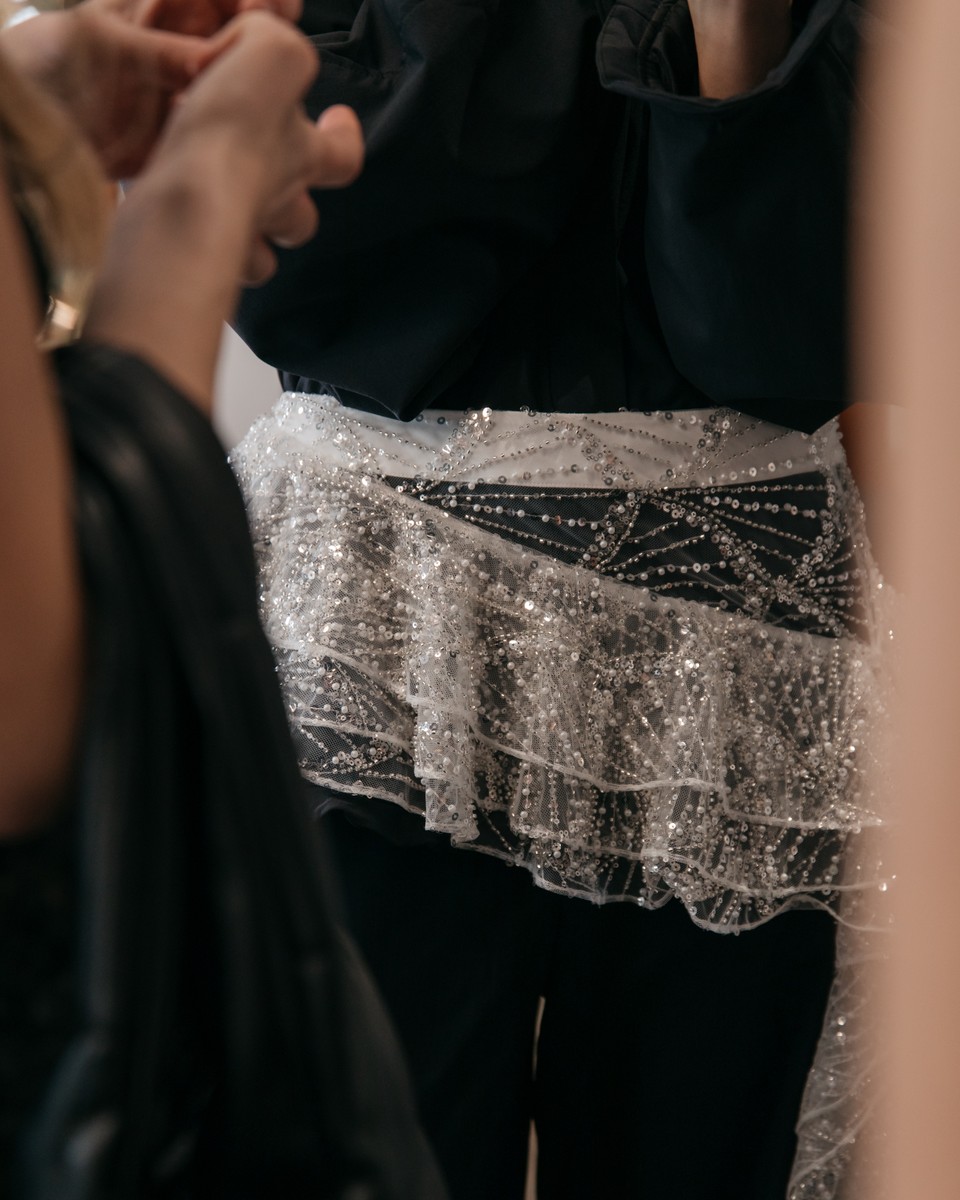
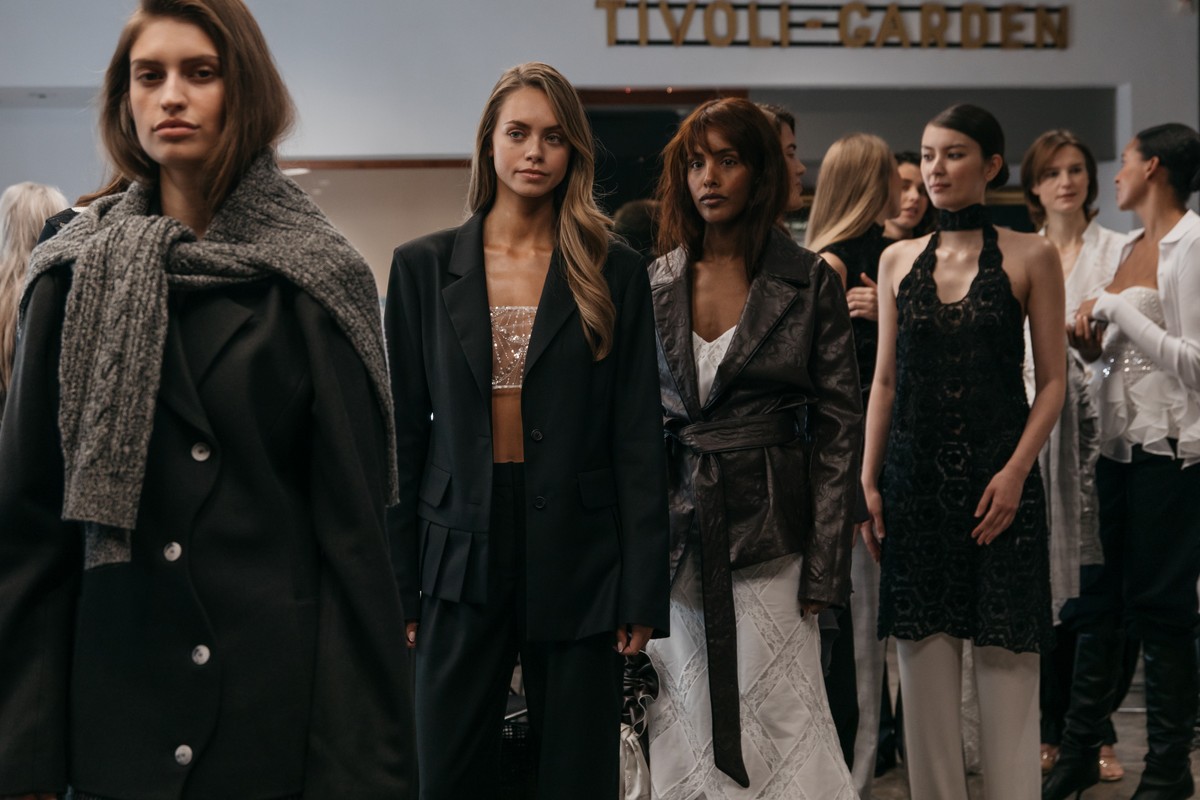
Meanwhile, SSON and Stem emphasize material responsibility – recycling, local wool, zero waste, rethinking the value of clothing through process and resources.
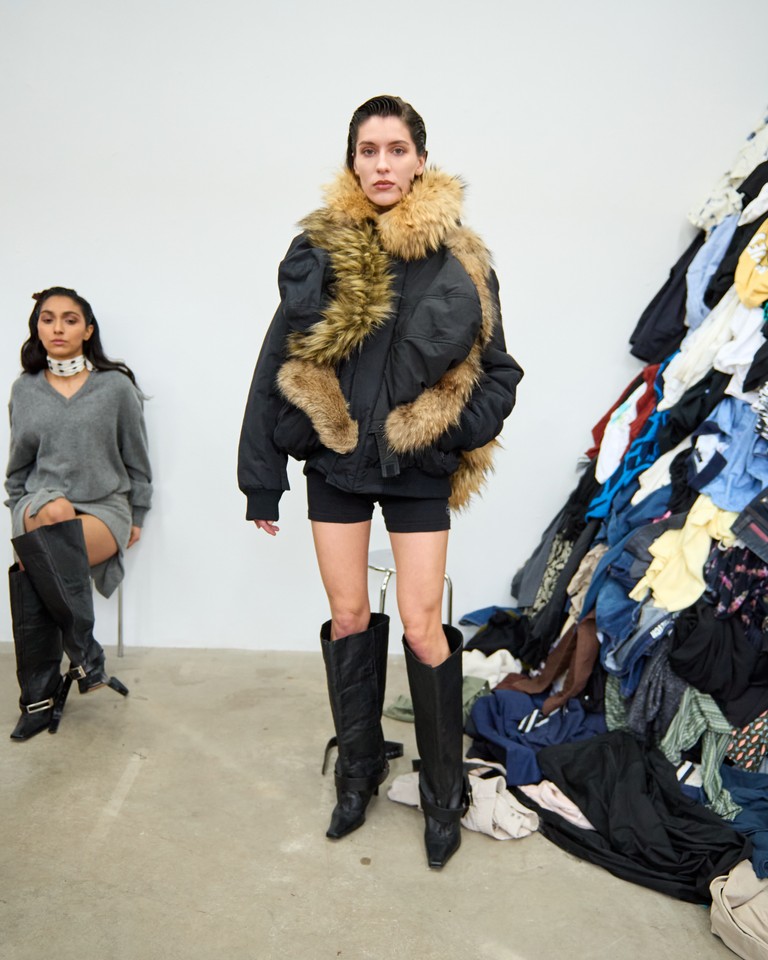
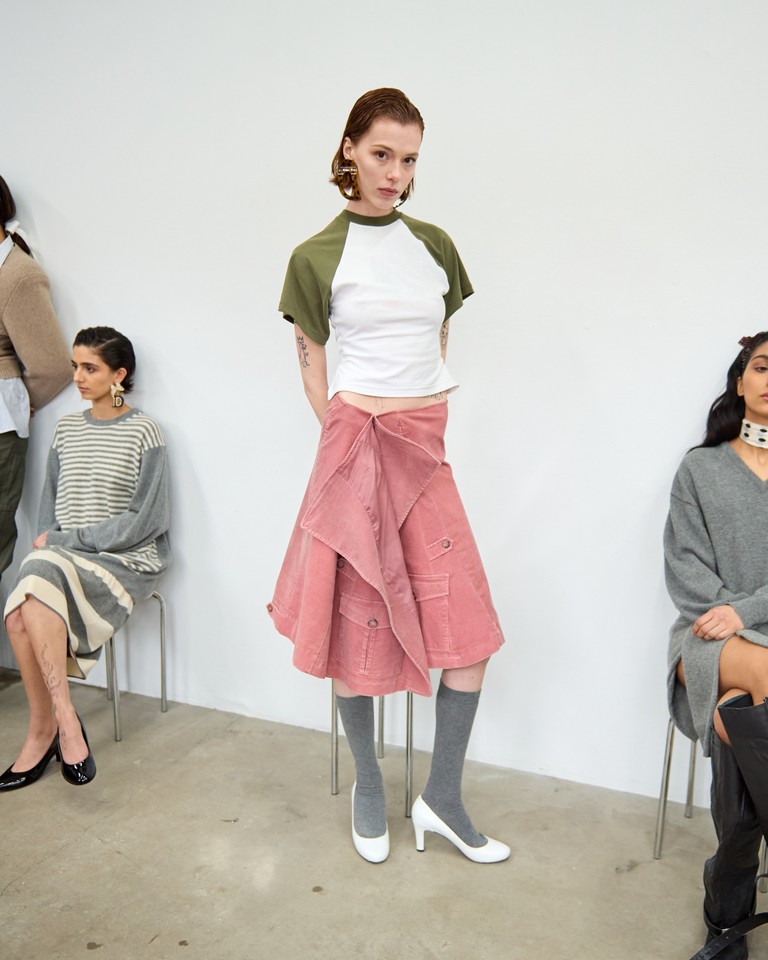
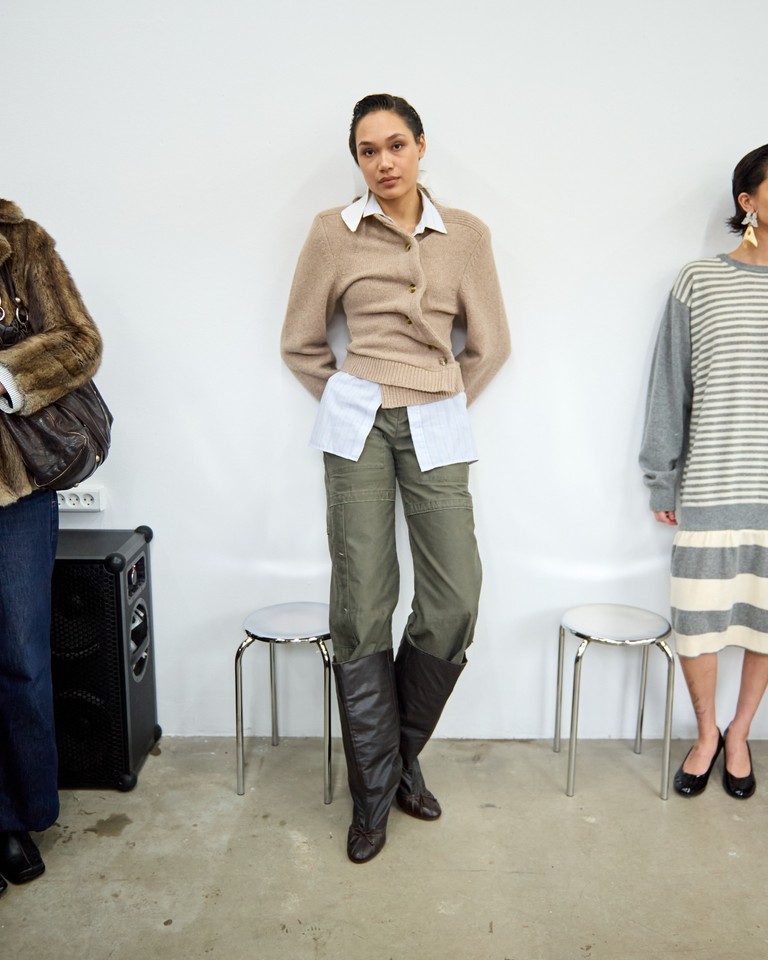
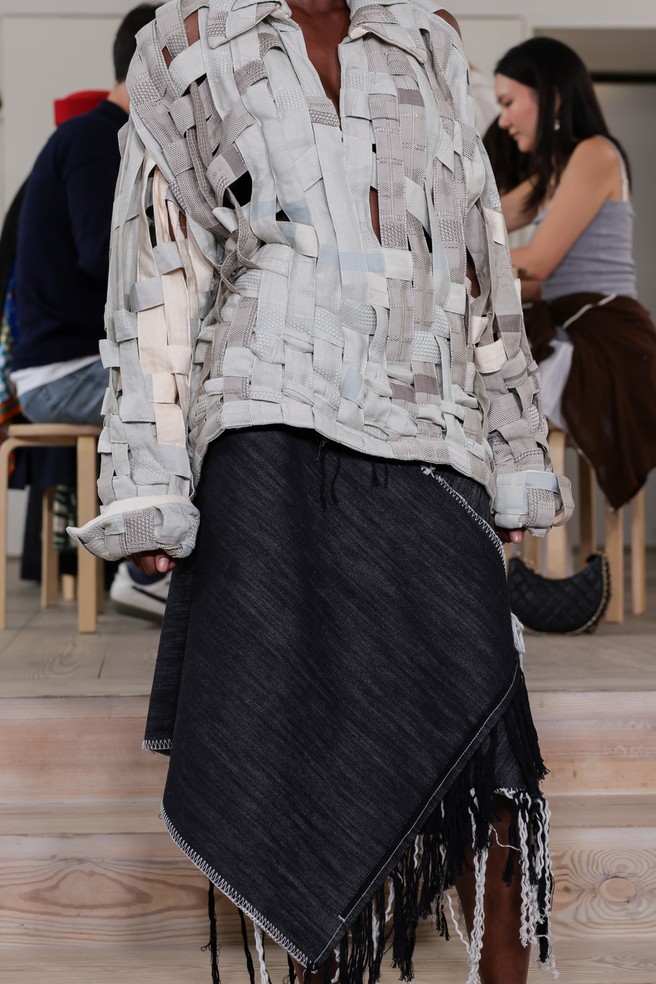
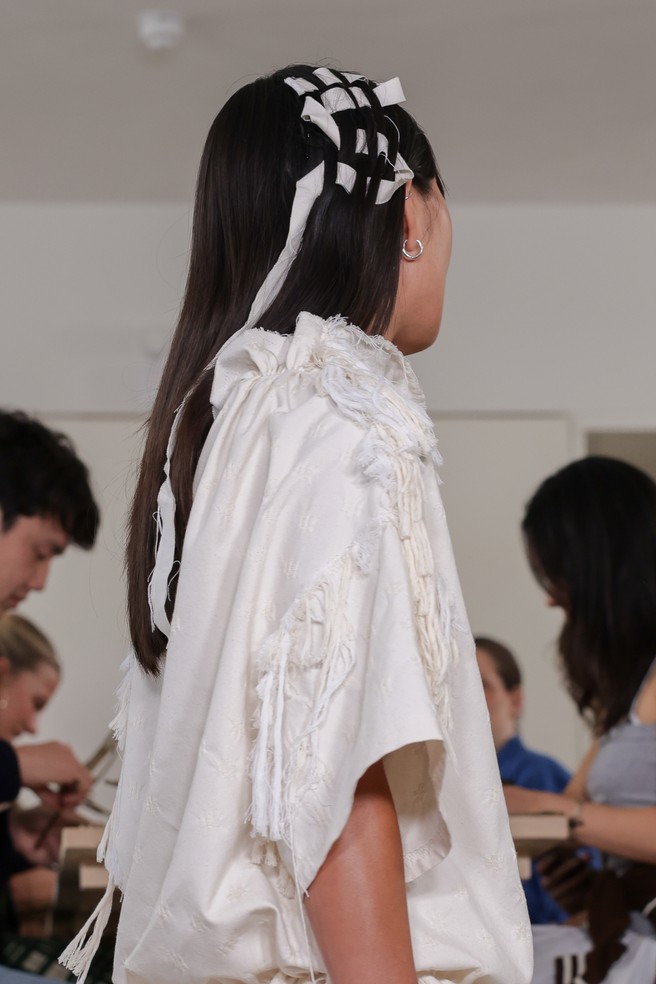
It can be said that the collections presented during Copenhagen Fashion Week share one common feature – an emotional approach, which each brand expresses in its own way, from expressing identity to reflecting on contemporary contradictions.
New York never stops reinventing itself
New York, with all its iconic skyline and capital density, never stops looking over its shoulder to check out European fashion. Fortunately, the response has always been authentic and creative enough to mesmerize everyone.
If I had to describe all the shows at New York Fashion Week in one sentence, I would say that it is an ongoing dialogue between tradition and experimentation, in which designers explore childhood memories, craftsmanship, architecture, and nostalgia in different ways.
Sculptural thinking, exaggerated proportions, and architectural textures characterize Ashlynn Park’s collection during New York Fashion Week. On the other hand, Zankov demonstrates emotional warmth. Fluffy mohair sets and playful argiles in shades of chartreuse and merlot are reminiscent of sunlight after winter. This is especially noticeable in the sparkling sequins, which add optimism and dynamism.
Corduroy pants, trench coats, and knitwear – that’s the Tory Burch collection.
The painted ceiling of the Cunard Building, early 2000s, large denim shorts, narrow ties, and messenger bags reminiscent of the energy of Warped Tour – this is the Coach show that so many remember.
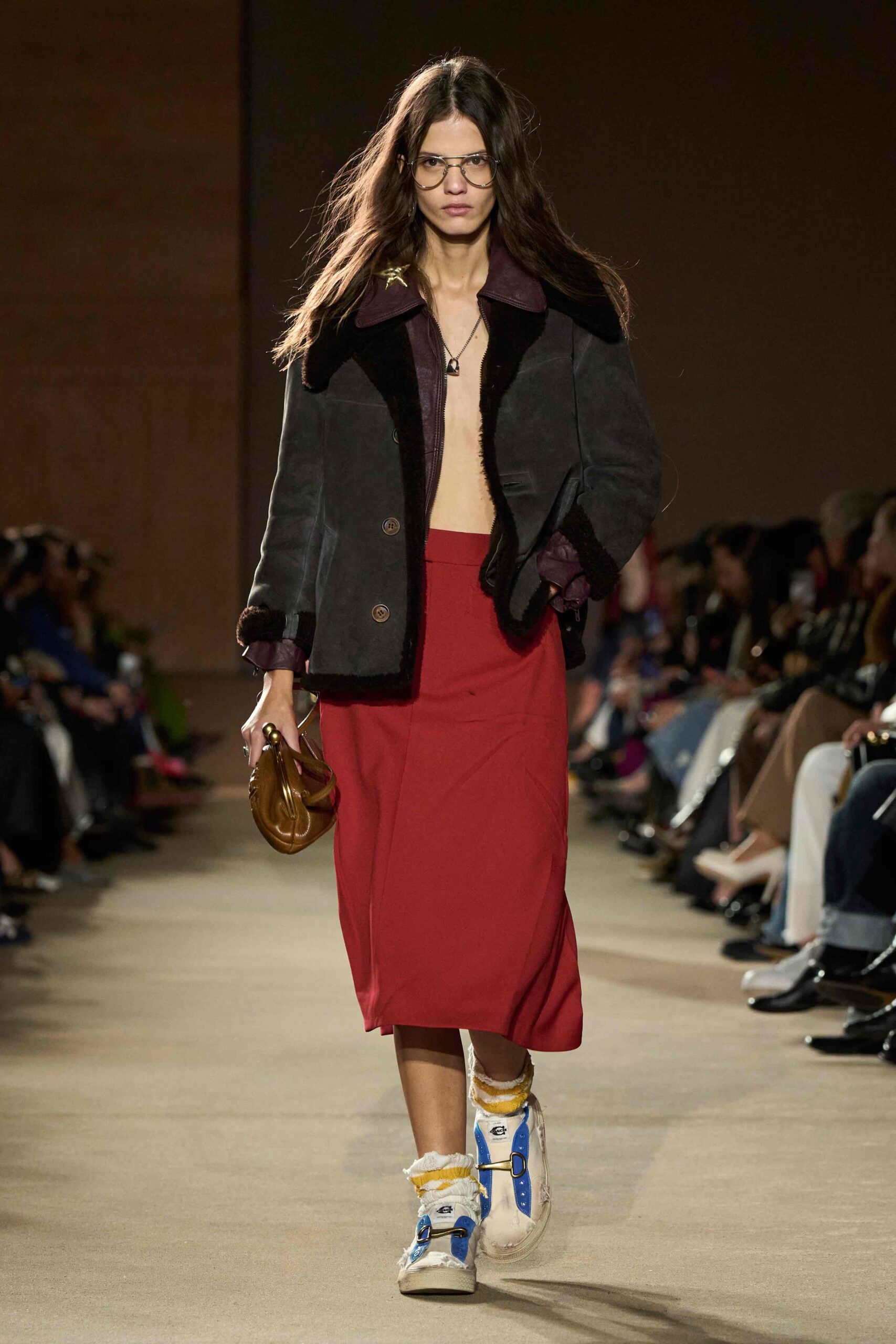
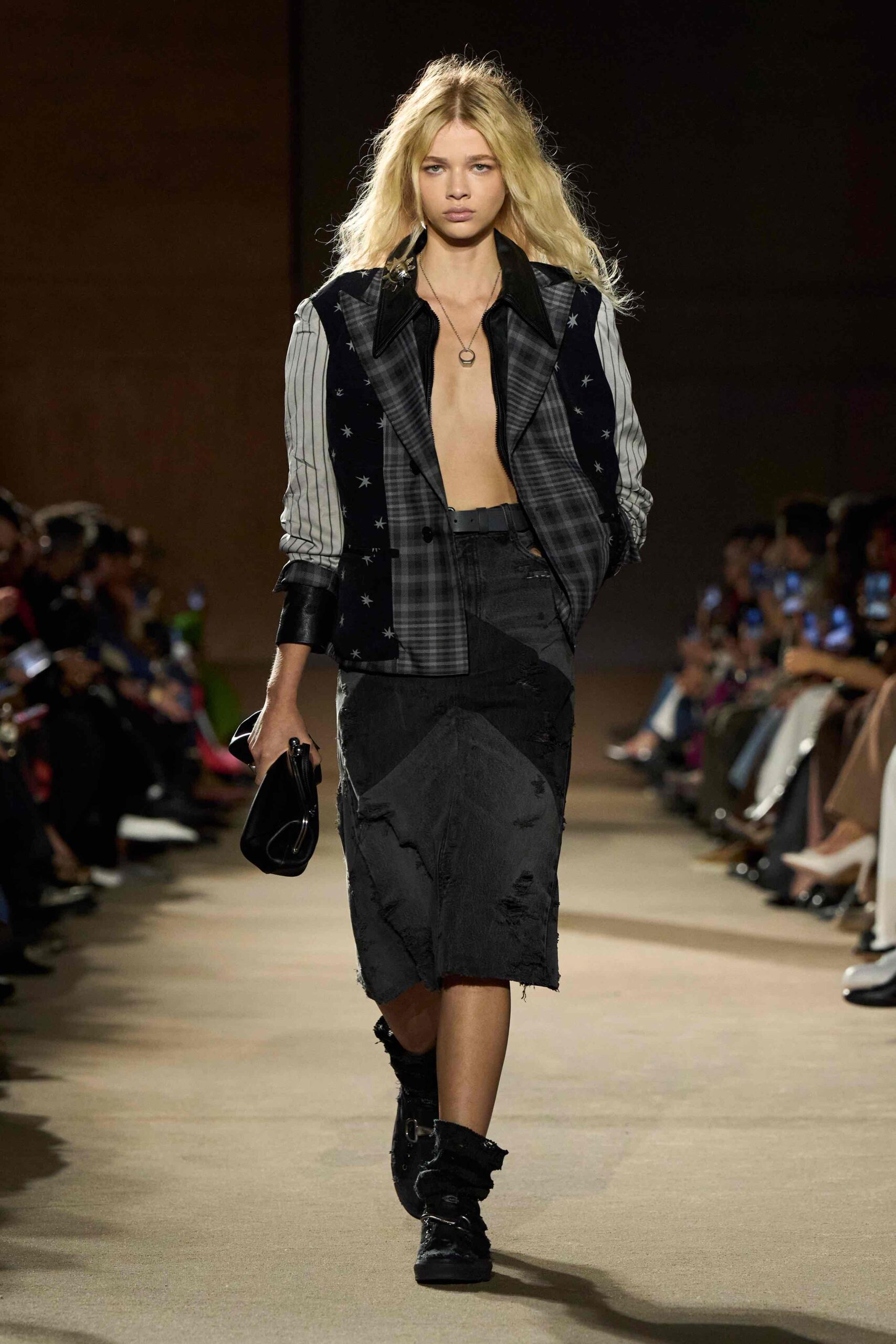
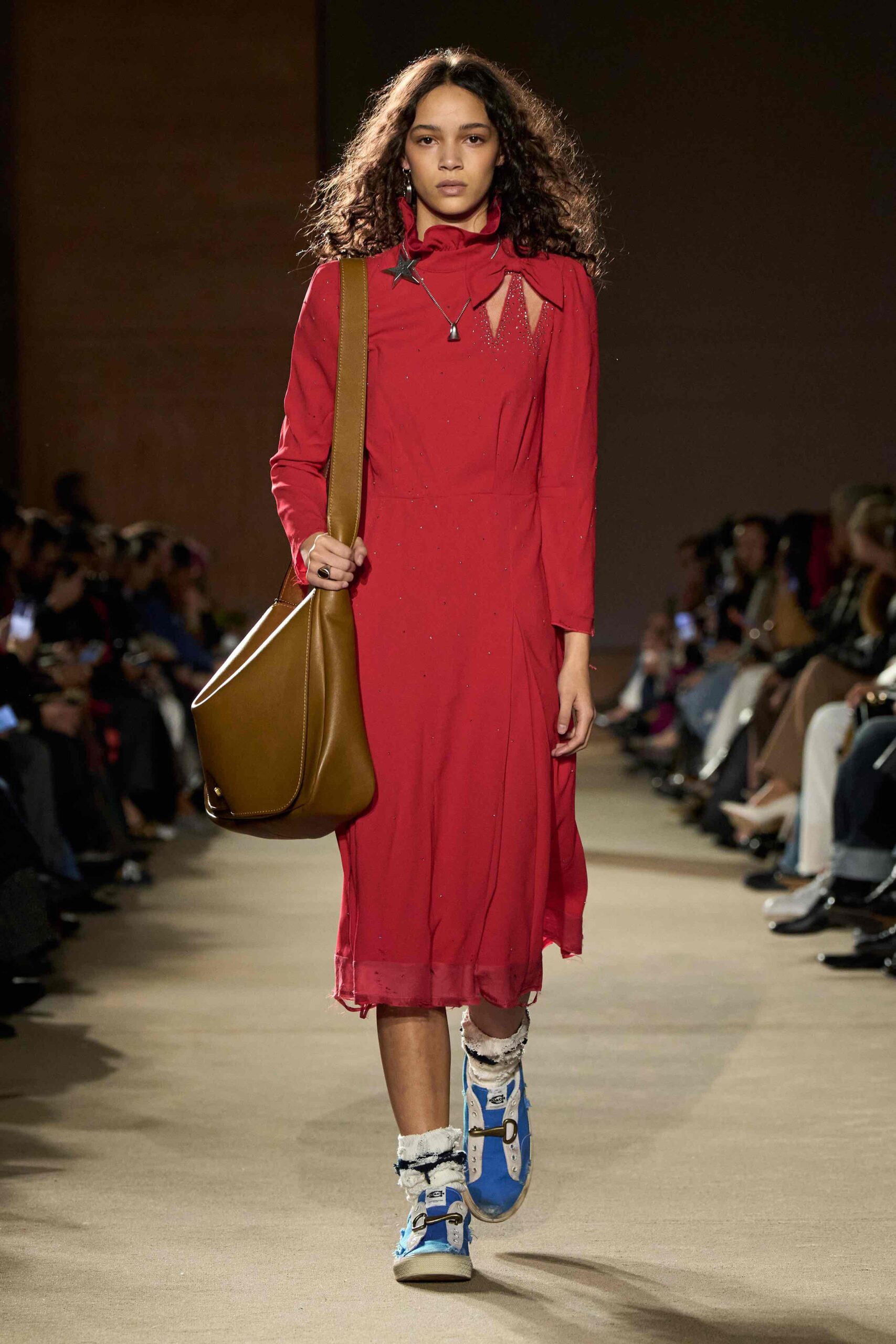
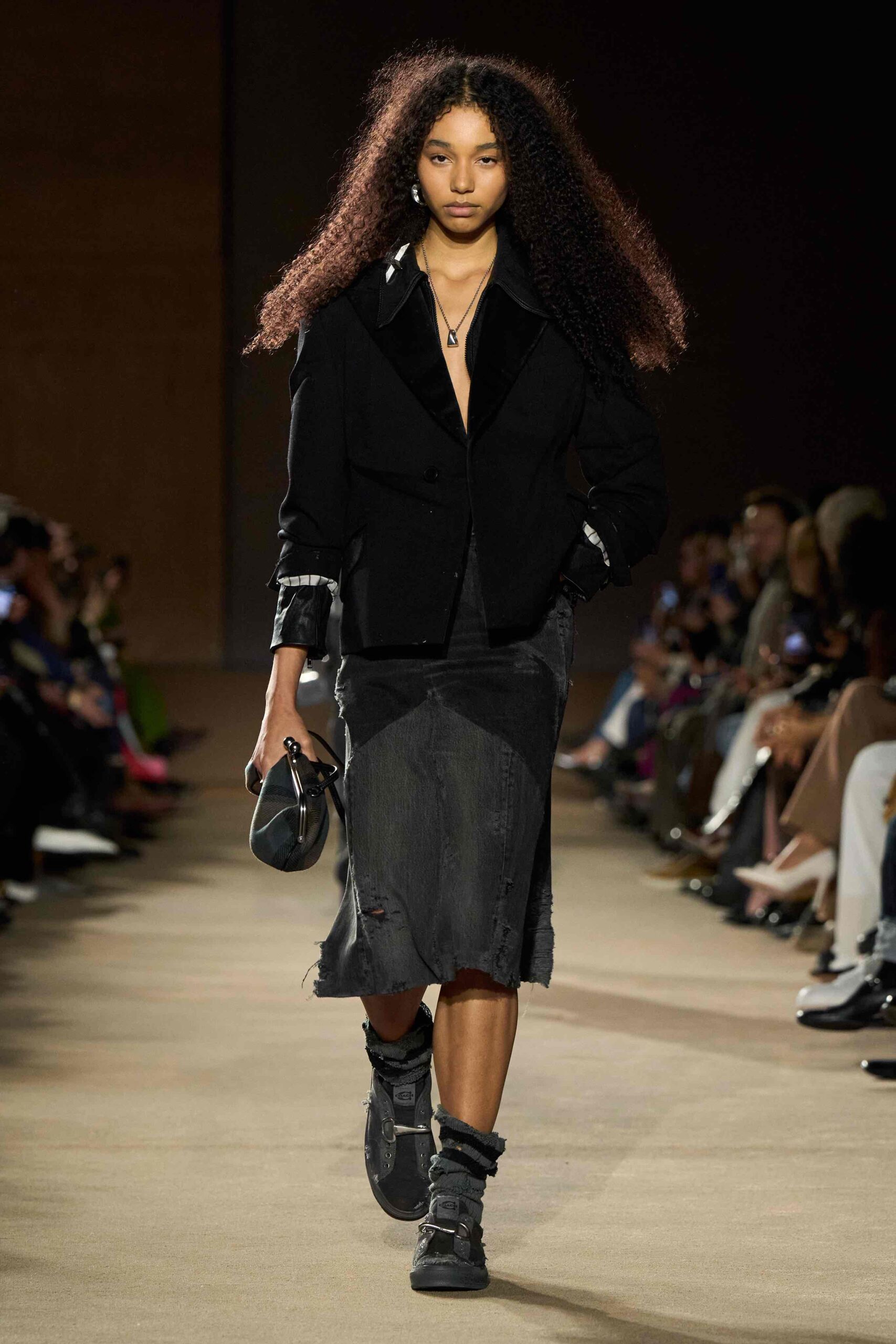
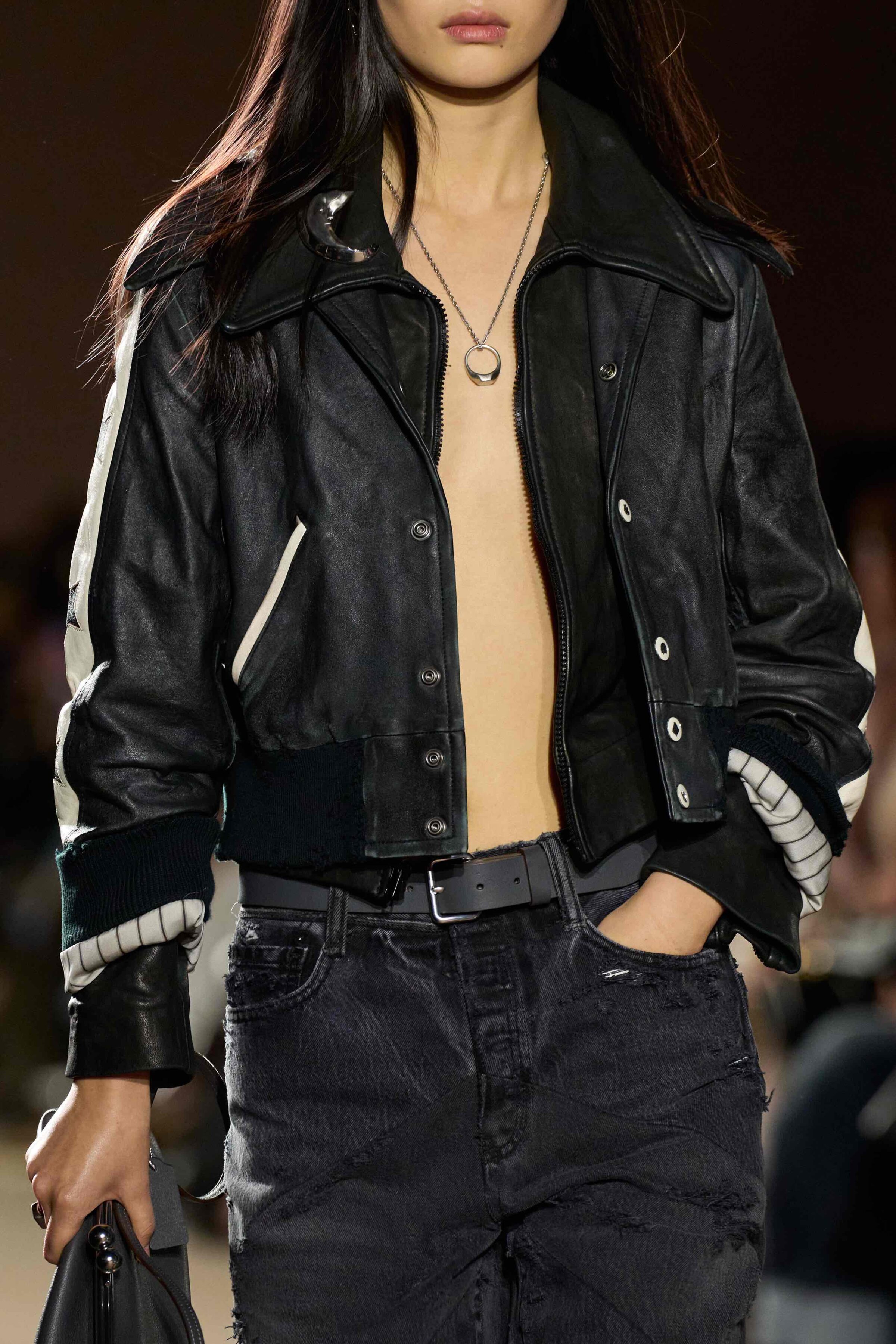
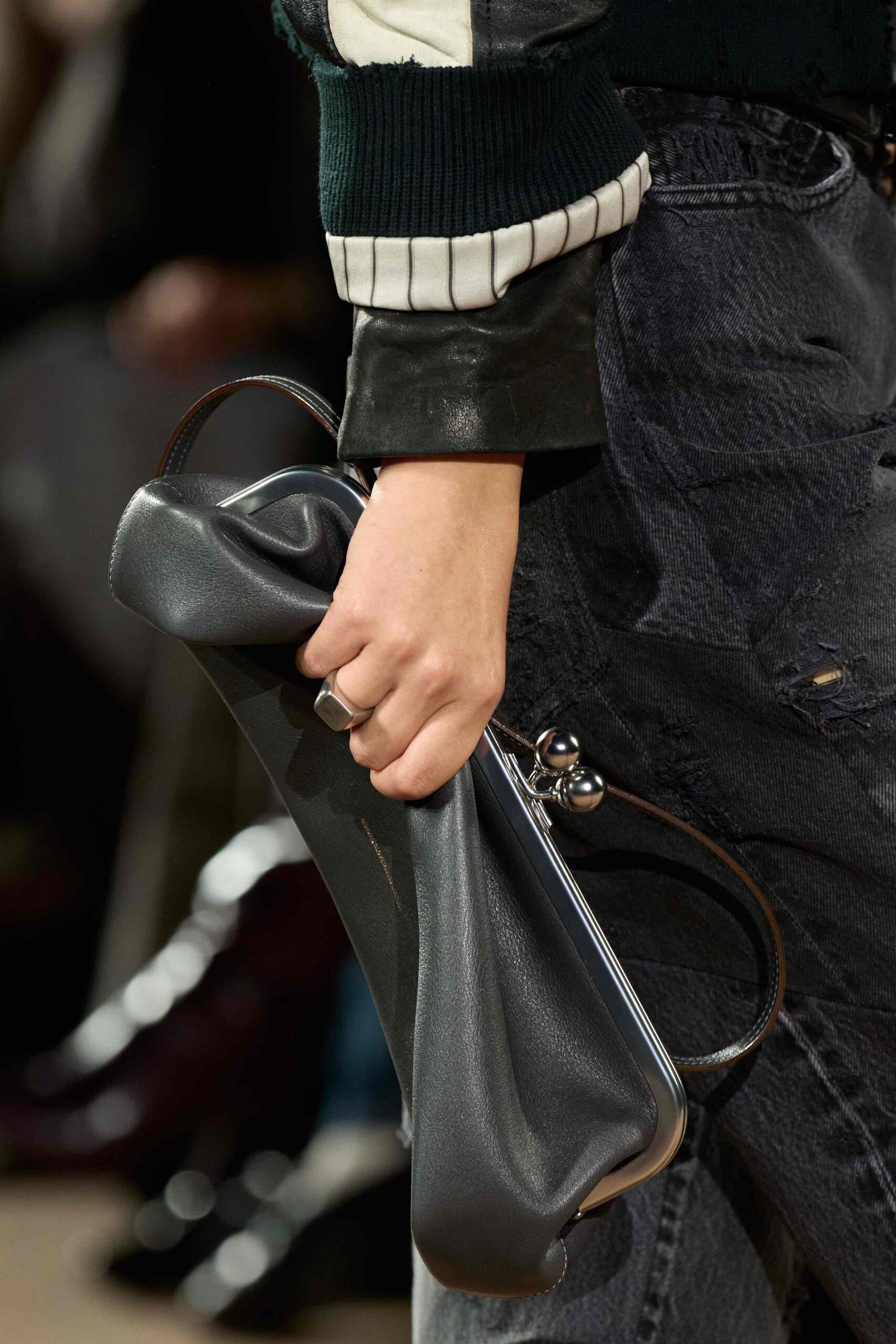
As Stuart Vevers, the British designer behind Coach put it: ‘We embrace the continuous reinvention of what it means to be young and forward-looking, resourceful and creative.’
Refinement, craftsmanship, hand-finished details, and fringe characterize the Proenza Schouler collection under the direction of Rachel Scott. This contrasts sharply with the evolution of Jack Cameron’s Rùadh, which focuses on a practical combination of Victorian tailoring and oversized suits.
Inner feelings, childhood memories, skiing and snowboarding, paracord details, and isolated silhouettes transformed personal nostalgia into practical fashion under the guidance of designer Jane Wade. Meanwhile, Bugatchi went beyond shirts, demonstrating exquisite tailoring – checkered cashmere blazers and stretch jersey suits became a sign of the brand’s maturity without betraying its roots.
Timeless elegance, restraint, draped jerseys, elegant dresses, and structured jackets were showcased by Marina Moscone. Finally, Libertine embraced ornamentation, transforming architectural motifs into richly embroidered coats and gold tweed fabrics, balanced with calmer knitted patches.
“This season was formed by an investigation of Calvin Klein’s strong history of iconography and a rigorous exploration of shape, craft and meaningful simplification,” said Veronica Leoni, Creative Director of Calvin Klein Collection. “I wanted to tighten my expression of elegance and style in the spirit of how the brand defined it in the late 1970s and early 1980s, with an intimacy and focus on form and the body to evoke a sense of empowerment and indulgence that is distinctly Calvin Klein.”
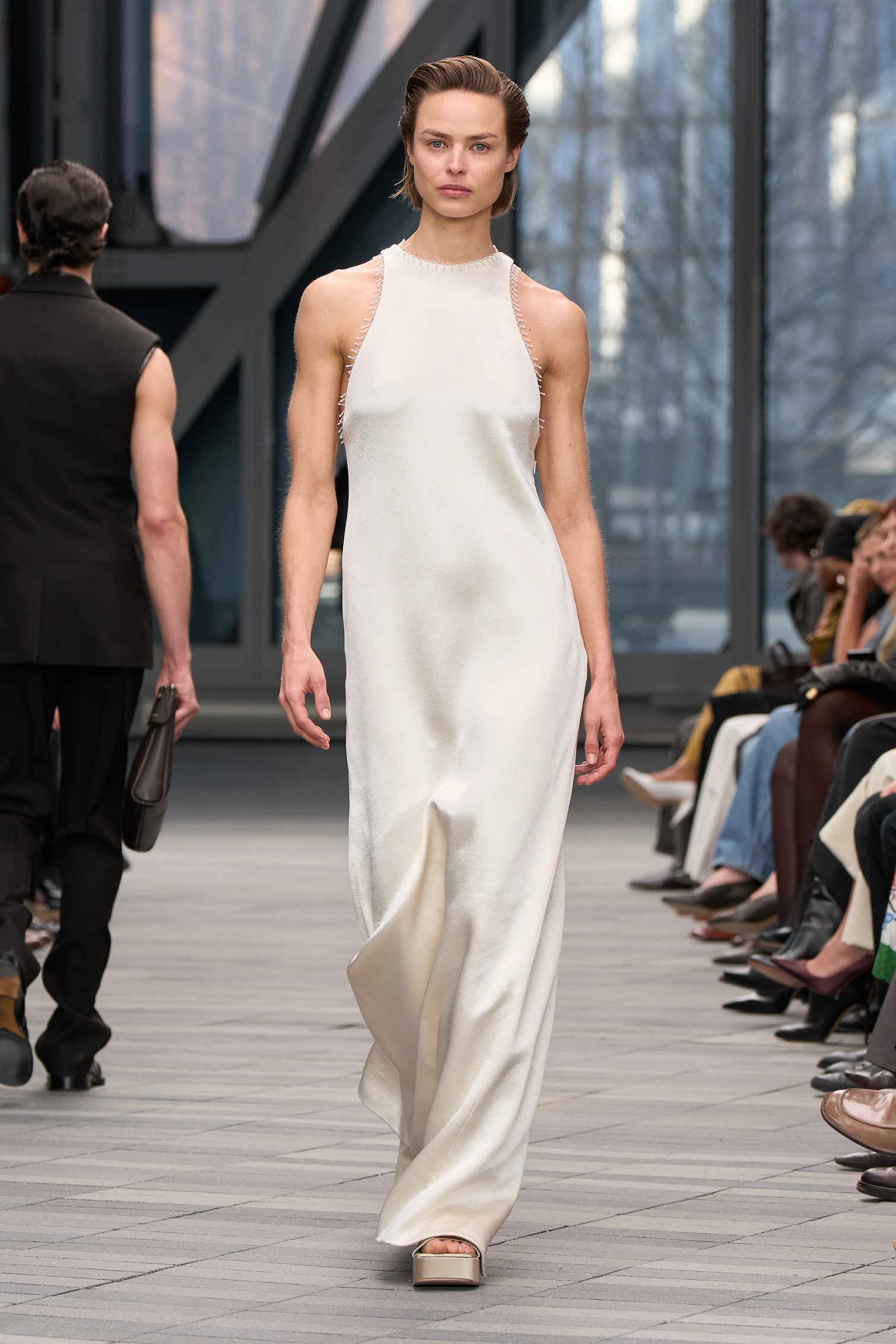
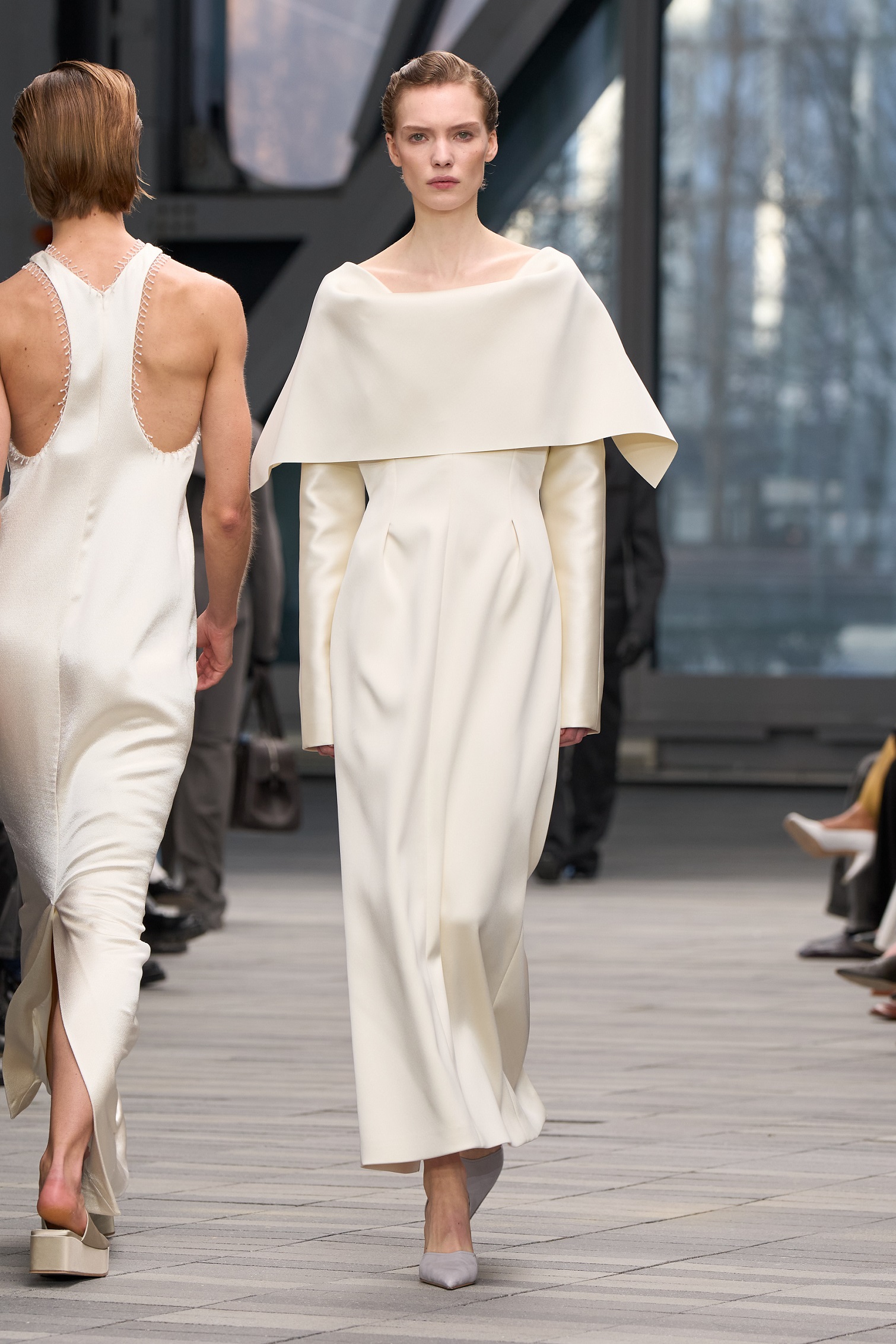
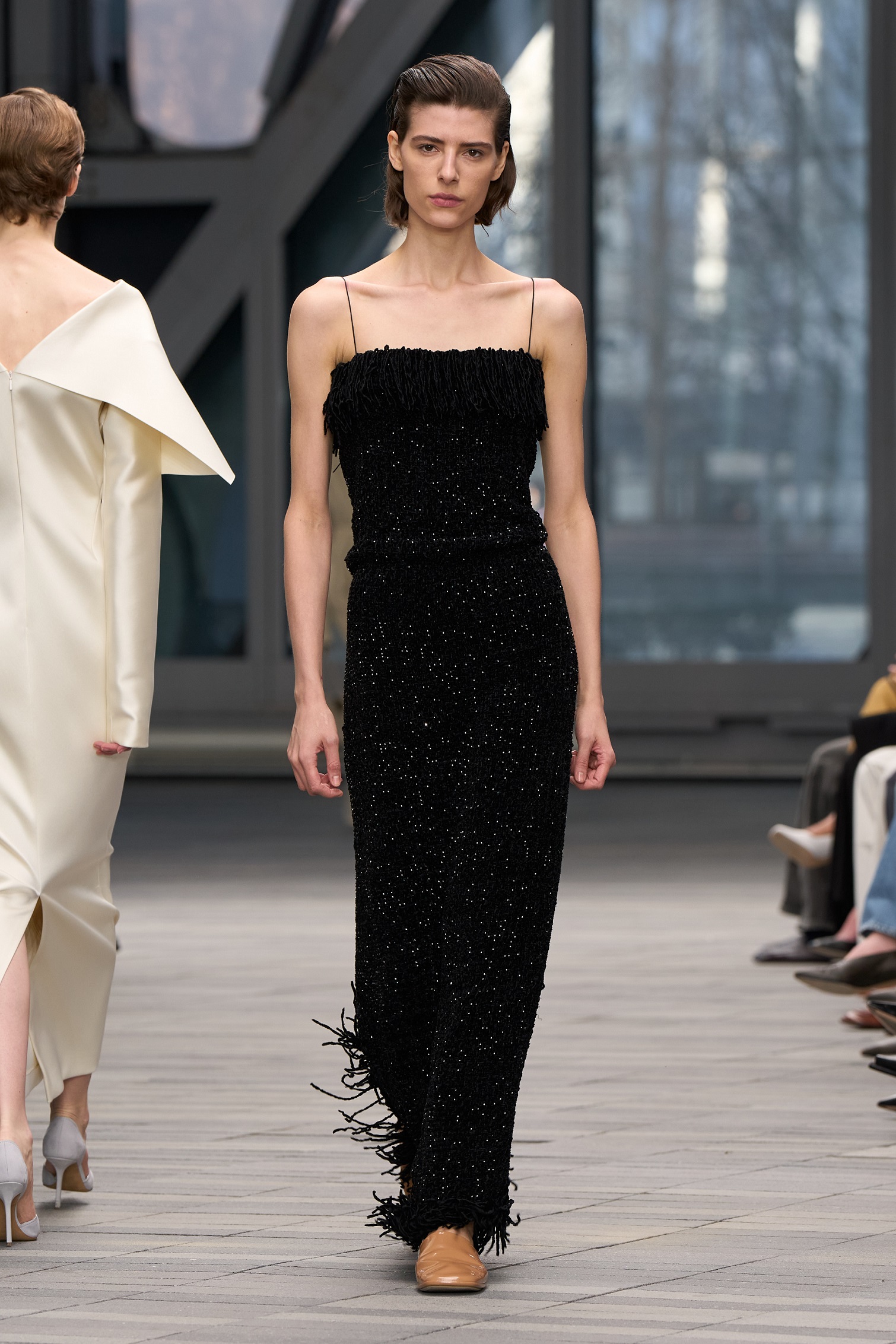
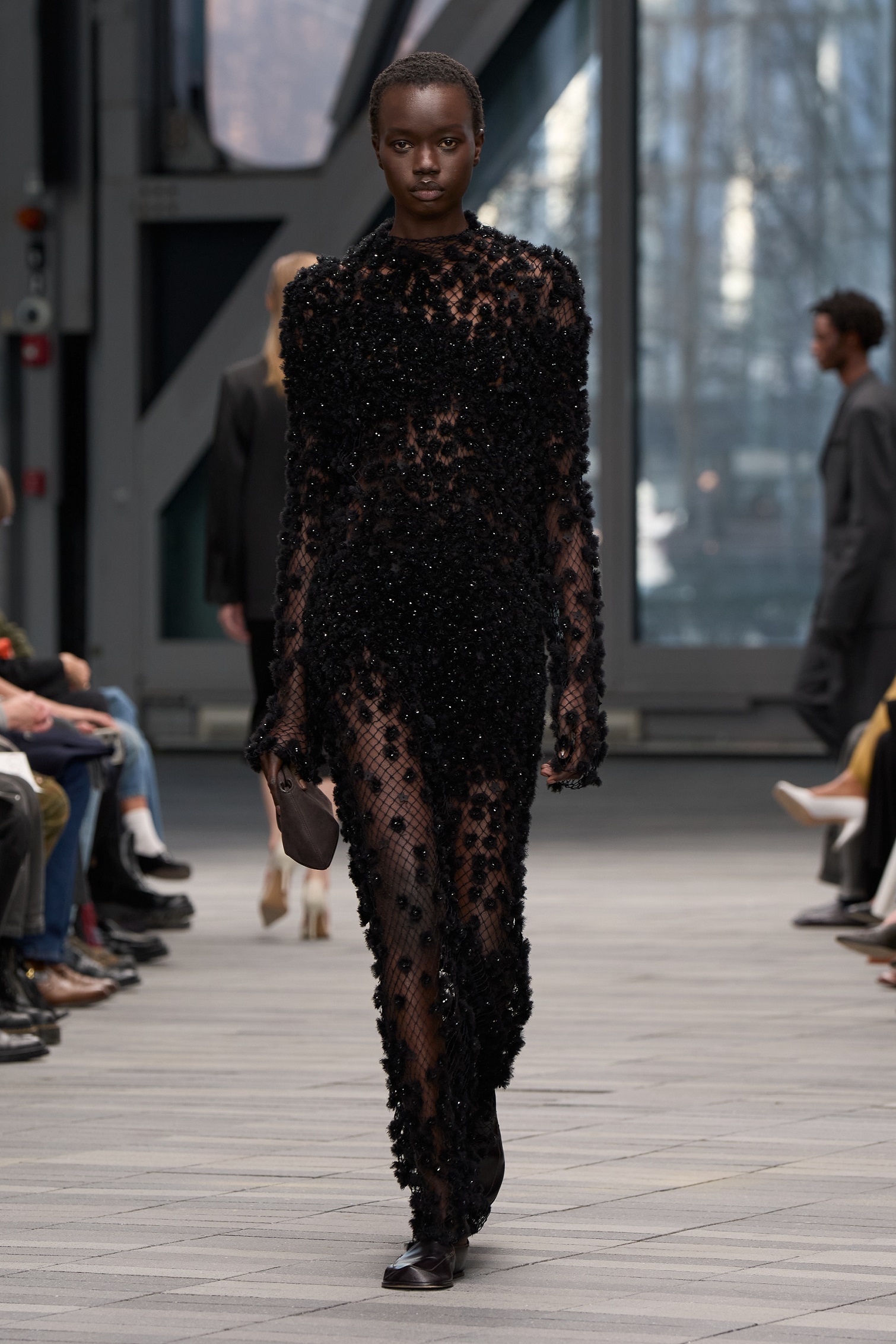
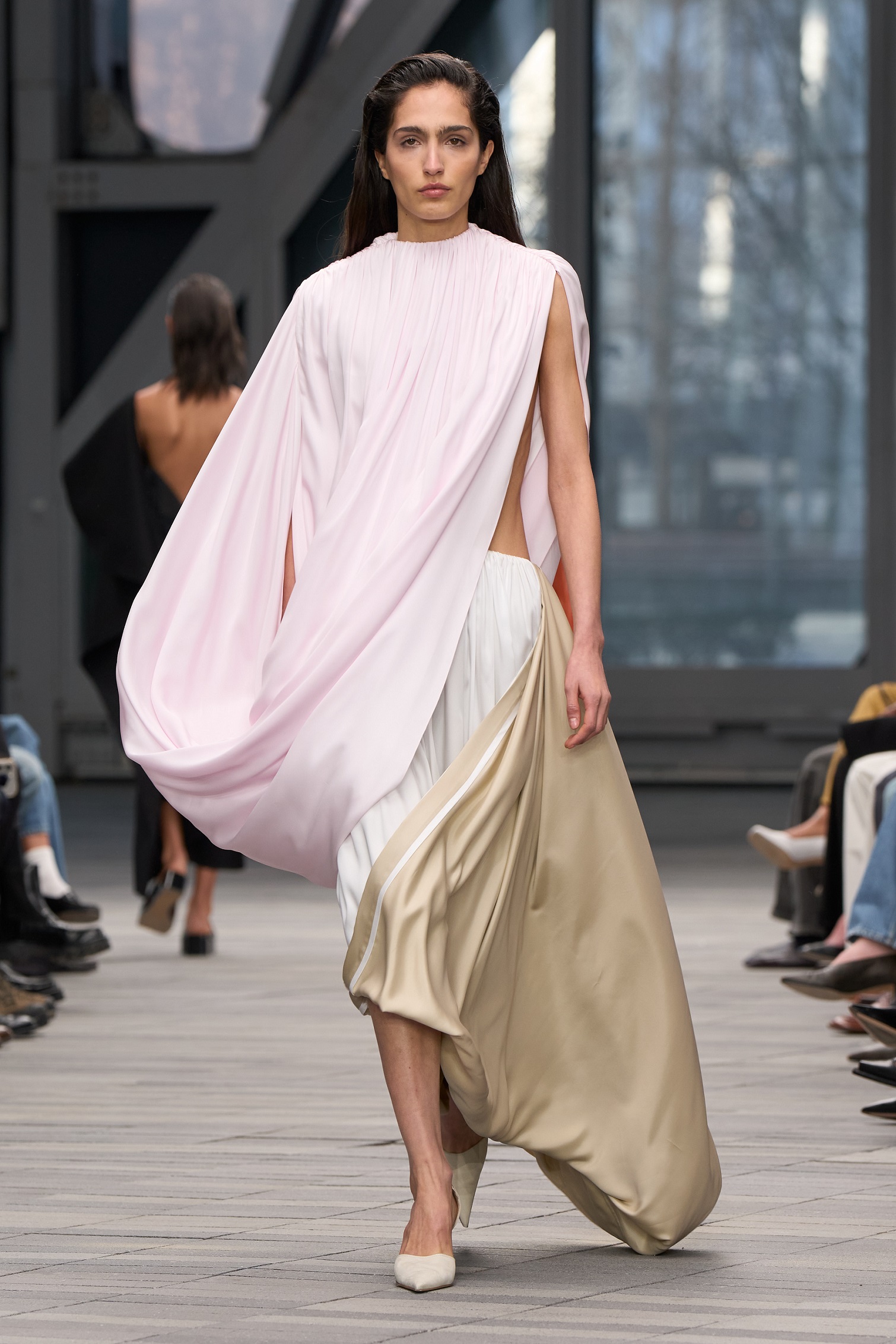
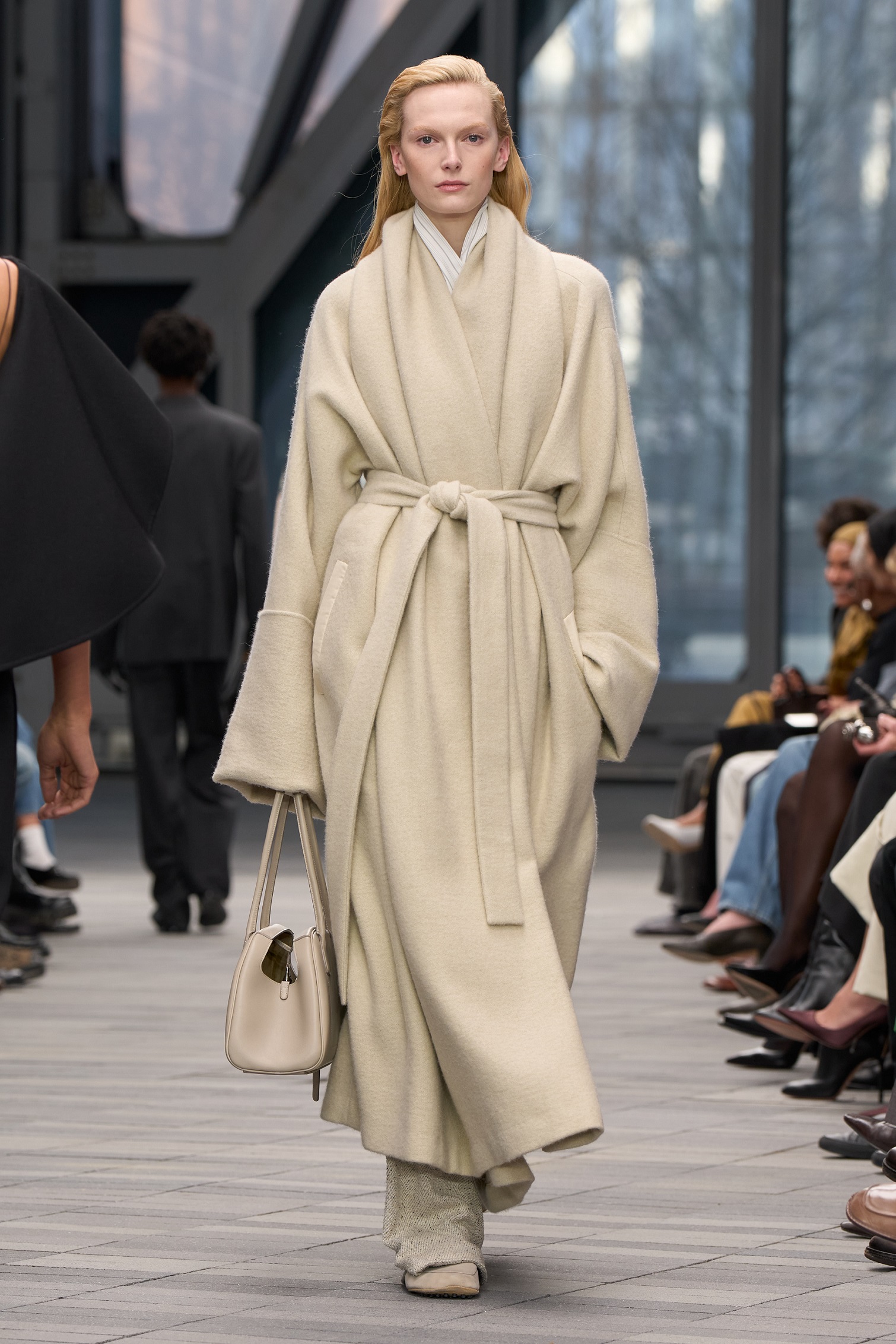
New York Fashion Week impressed with a dialogue between style and reinterpretations. Designers revisited familiar clothing styles – tailoring, denim, trench coat silhouettes, but reimagined them with texture, brightness, and tailoring skills. Nostalgia was repeated in the collections, especially in memories of the early 2000s and personal stories, but it was never literal.
Author: Daria Diemidova